Voices Across the Valleys: The Sacred Tradition of Britain's Great Choral Assemblies
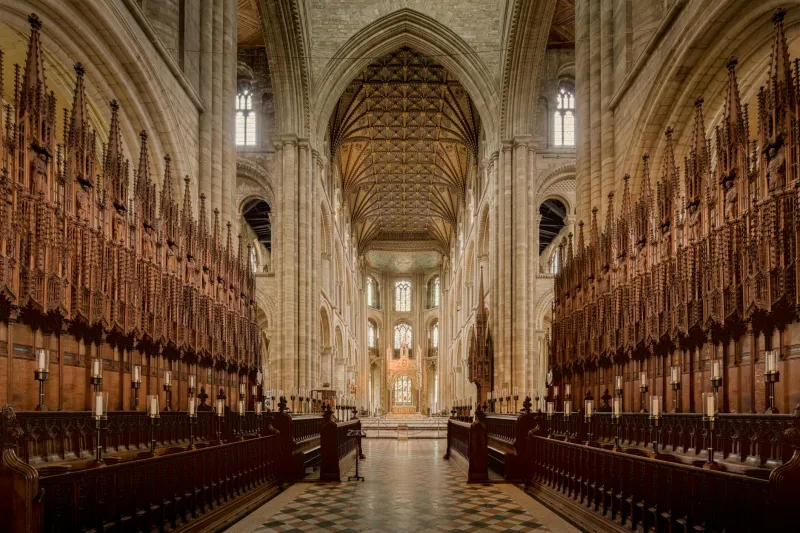
In the mist-shrouded cathedrals of Gloucester, Worcester, and Hereford, something extraordinary happens each August. The Three Choirs Festival, established in 1719, continues a tradition that predates the Industrial Revolution, the Napoleonic Wars, and the very concept of modern Britain. Yet this venerable institution represents merely the tip of an iceberg — a vast, largely forgotten network of choral gatherings that once bound the nation together in song.
The Ancient Roots of Communal Music-Making
Long before the modern festival circuit emerged, Britain's relationship with collective musical expression ran deeper than entertainment or artistic appreciation. Medieval guild celebrations, harvest festivals, and religious observances all centred upon communal singing, creating social bonds that transcended class, geography, and political allegiance. These early gatherings established patterns that would endure for centuries: the careful balance of sacred and secular repertoire, the mingling of professional and amateur performers, and the profound sense of shared cultural identity that emerges when voices unite in harmony.
The formal choral festival tradition emerged during the early eighteenth century, coinciding with Britain's growing confidence as a cultural power. The Three Choirs Festival, rotating annually between its founding cathedrals, established the template: multi-day programmes combining established masterworks with new commissions, drawing participants from across the region and beyond. What made these events remarkable was not merely their musical excellence, but their democratic spirit — farmers and merchants sang alongside cathedral choristers, creating temporary communities united by their shared devotion to the art.
The Victorian Explosion of Musical Democracy
The nineteenth century witnessed an extraordinary proliferation of choral festivals across Britain. The Bradford Festival, established in 1853, regularly attracted audiences of over 30,000. The Birmingham Triennial Music Festival, founded in 1768 but reaching its zenith during the Victorian era, premiered works by Mendelssohn, Dvořák, and Elgar. These events were not mere concerts but cultural phenomena, drawing special trains from across the country and generating newspaper coverage that rivalled political summits.
The Yorkshire Festival tradition exemplified this democratic impulse. Huddersfield, Leeds, and Sheffield developed their own distinctive festival cultures, with local choirs spending months preparing for these annual celebrations. The repertoire balanced crowd-pleasing oratorios — Handel's 'Messiah' remained perennially popular — with ambitious premieres that challenged both performers and audiences. These festivals created a musical infrastructure that supported professional orchestras, encouraged composition, and fostered musical literacy across entire regions.
What distinguished Britain's choral festival movement from continental European traditions was its fundamentally amateur character. Whilst professional soloists and orchestras provided the framework, the heart of these events lay in the massed choirs of ordinary citizens. Mill workers, shopkeepers, and clerks devoted evenings to rehearsal, creating social networks that extended far beyond the concert hall. The festivals became focal points for community identity, generating pride that lasted throughout the year.
Rituals, Rivalries, and Regional Character
Each festival developed its own distinctive character and traditions. The Three Choirs Festival maintained its ecclesiastical dignity, with services in the great cathedrals forming an integral part of the programme. The northern festivals embraced a more populist approach, with outdoor performances and community events extending the musical celebration beyond formal venues. Regional rivalries added competitive edge — Yorkshire festivals prided themselves on their robust, uncompromising approach, whilst Welsh gatherings emphasised the particular beauty of their choral tradition.
These events established social rituals that became deeply embedded in British cultural life. The annual pilgrimage to distant festivals, the careful preparation of favourite repertoire, the mingling of classes in shared musical endeavour — all created a distinctive form of cultural democracy. Festival programmes became cultural documents, their essays and programme notes shaping public understanding of musical history and aesthetic values.
Survival and Transformation in Modern Britain
The twentieth century brought profound challenges to this tradition. Two world wars disrupted established patterns, whilst changing social habits and competing entertainment forms eroded the amateur choral movement that provided festivals with their foundation. Many regional festivals disappeared entirely, victims of declining participation and reduced municipal support.
Yet remarkable survivors persist. The Three Choirs Festival continues its ancient rotation, adapting its programming whilst maintaining its essential character. The Aldeburgh Festival, established by Benjamin Britten in 1948, demonstrated how festival traditions could evolve whilst preserving their commitment to serious musical culture. Regional festivals in Wales, particularly the National Eisteddfod, maintain the tradition of competitive choral performance that once characterised festivals throughout Britain.
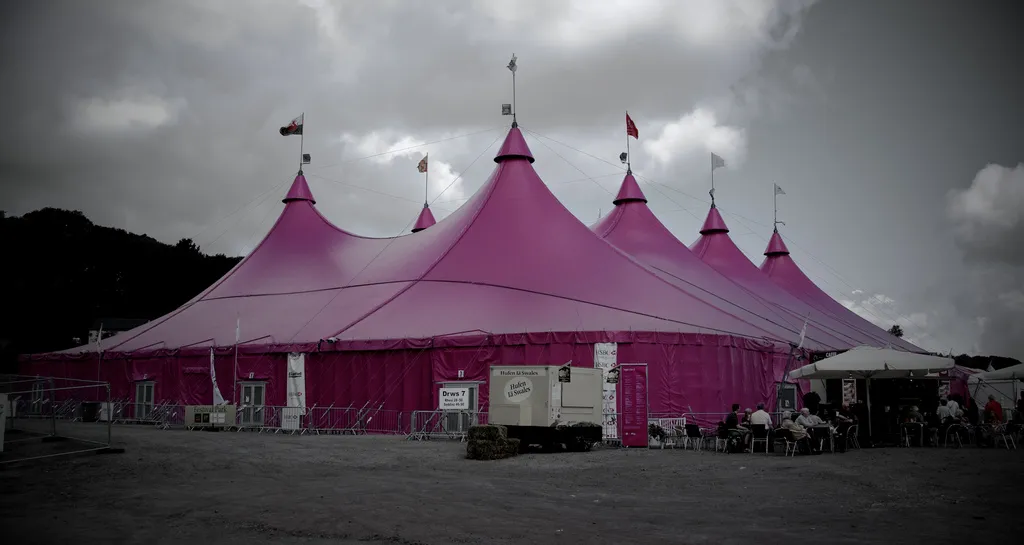 Photo: National Eisteddfod, via www.northwales.com
Modern festivals face different challenges from their Victorian predecessors. Contemporary audiences expect higher production values and more diverse programming, whilst the decline of amateur choral singing has reduced the pool of potential participants. Yet successful festivals have adapted by embracing educational programmes, commissioning new works, and creating partnerships with schools and community organisations.
The Enduring Power of Collective Song
What these surviving festivals reveal about the British relationship with communal musical expression is profound and encouraging. Despite technological change and social fragmentation, the fundamental human need for shared artistic experience persists. The annual gathering, the careful preparation, the moment when individual voices merge into something greater than their sum — these experiences continue to resonate with contemporary audiences.
The festivals that thrive today understand that their role extends beyond entertainment. They serve as guardians of musical tradition whilst fostering innovation, as democratic institutions that welcome participation whilst maintaining artistic excellence, and as focal points for community identity in an increasingly fragmented world.
Britain's choral festival tradition represents something precious and irreplaceable: a form of cultural expression that is simultaneously ancient and living, elite and democratic, local and universal. In an age of digital isolation and cultural anxiety, these gatherings remind us of music's unique power to create temporary communities bound by shared beauty and common purpose. They deserve not merely preservation but active celebration as living embodiments of Britain's finest cultural instincts.