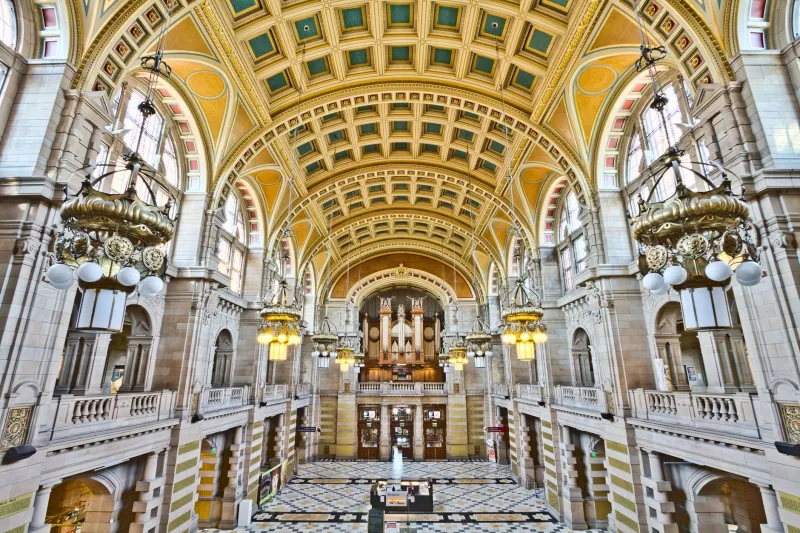
The Republic of Letters: When Britain's Literary Journals Commanded the Nation's Mind
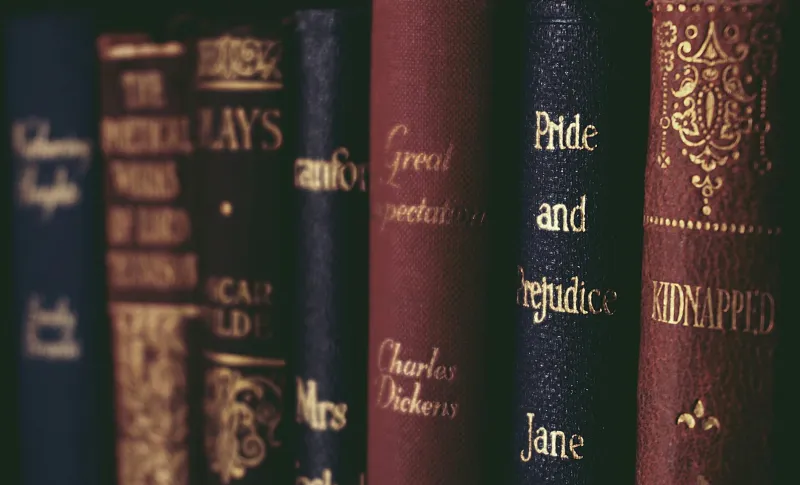
On a December evening in 1859, readers across Britain settled into their armchairs with the latest issue of The Cornhill Magazine. Within its pages lay the opening instalment of a new novel by an unknown writer — William Makepeace Thackeray had commissioned 'The Mill on the Floss' from George Eliot. By morning, literary history had shifted. This was the power of Britain's great literary periodicals: to create cultural moments that resonated across the nation, shaping not merely individual careers but the entire trajectory of British letters.
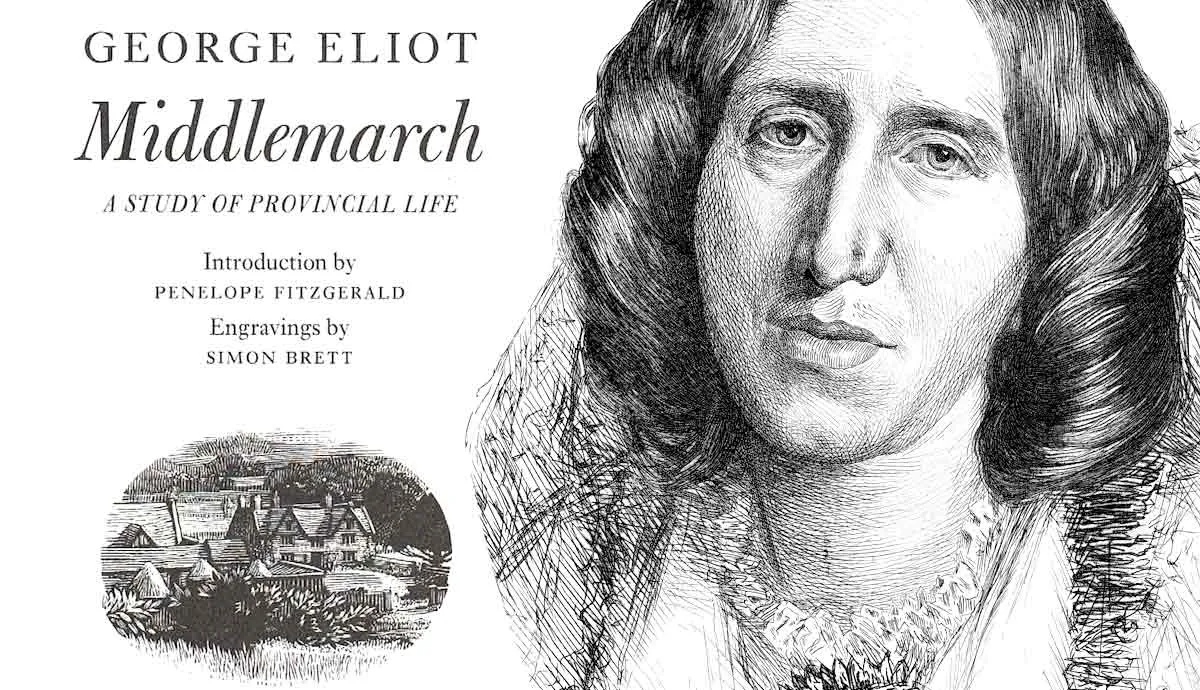 Photo: George Eliot, via cdn.thecollector.com
The Rise of the Literary Republic
The golden age of British literary magazines emerged during the early nineteenth century, coinciding with expanding literacy, improved printing technology, and a growing middle class hungry for intellectual engagement. Publications such as Blackwood's Edinburgh Magazine, founded in 1817, and The London Magazine, established in 1820, created something unprecedented: a national conversation about literature, politics, and culture that transcended regional boundaries and social divisions.
These publications operated as cultural gatekeepers with extraordinary influence. A favourable review in The Edinburgh Review could establish a writer's reputation overnight, whilst condemnation might end a promising career before it began. The anonymous reviewing system, whilst protecting critics from personal retaliation, invested publications with an almost mystical authority. Readers trusted these magazines to guide their literary choices, creating a shared cultural currency that unified educated Britain.
The serialisation model proved revolutionary. Readers followed favourite authors through monthly instalments, creating communities of anticipation and discussion around unfolding narratives. Charles Dickens mastered this form, adjusting his plots based on reader response and sales figures. The relationship between writer, publisher, and audience became intimate and immediate in ways that modern publishing struggles to replicate.
Editorial Titans and Cultural Kingmakers
Behind every influential magazine stood formidable editorial personalities who shaped British literary taste through force of conviction and breadth of vision. Francis Jeffrey, editor of The Edinburgh Review from 1803 to 1829, wielded his pen like a cultural sword, famously dismissing Wordsworth's poetry with the damning phrase 'This will never do!' His reviews didn't merely assess books; they articulated aesthetic principles that influenced an entire generation of writers and readers.
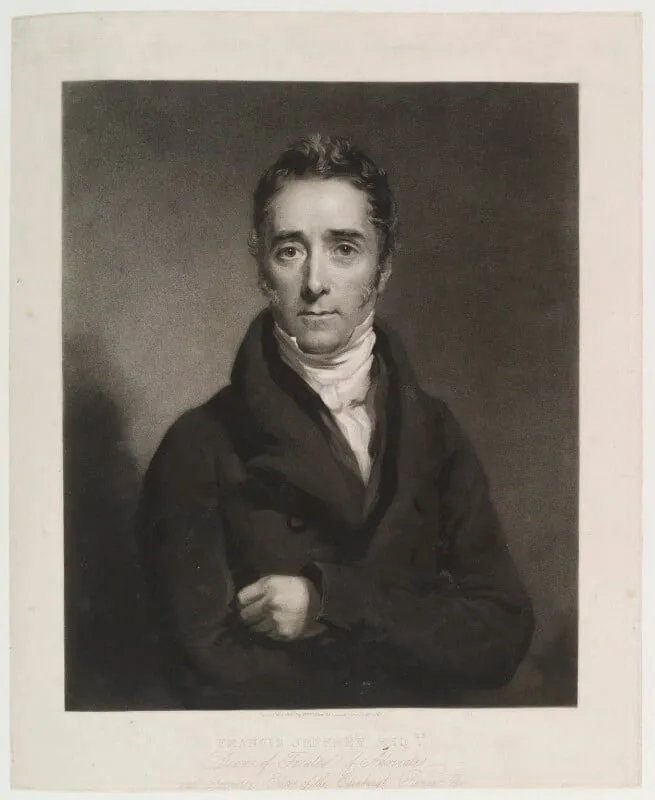 Photo: Francis Jeffrey, via collectionimages.npg.org.uk
John Gibson Lockhart, who edited Blackwood's Magazine from 1825 to 1853, took a different approach, fostering young talent whilst maintaining the publication's reputation for fearless criticism. Under his guidance, Blackwood's became synonymous with literary discovery, launching careers that would define Victorian literature. The magazine's famous 'Noctes Ambrosianae' series created fictional conversations between literary figures that became cultural events in themselves.
These editors understood their role as cultural architects. They didn't merely respond to literary trends; they created them. Through careful commissioning, strategic reviewing, and editorial vision, they shaped public understanding of what literature could and should accomplish. Their influence extended far beyond their publications, affecting publishing decisions, educational curricula, and even government cultural policy.
The Serialisation Revolution
The practice of serialising novels transformed British literary culture in profound ways. Monthly instalments created sustained engagement between authors and audiences, allowing for real-time response and adjustment. Readers didn't simply consume finished products; they participated in the creative process through letters, sales figures, and public discussion.
This system encouraged particular narrative techniques that became hallmarks of Victorian fiction. Cliffhanger endings, episodic structure, and rich descriptive passages designed to fill monthly quotas all emerged from serialisation requirements. Authors learned to balance immediate entertainment with long-term narrative development, creating works that functioned both as monthly diversions and unified artistic statements.
The commercial implications were equally significant. Successful serialisations could sustain magazines for years whilst providing authors with steady income during composition. This financial model supported literary careers that might otherwise have proven economically unviable, enabling writers to take creative risks and develop distinctive voices.
Cultural Battlegrounds and Intellectual Warfare
Britain's literary magazines served as arenas for cultural and political conflict, with rival publications representing different aesthetic and ideological positions. The conservative Blackwood's engaged in fierce editorial combat with the liberal Edinburgh Review, their disputes extending far beyond literary matters to encompass politics, religion, and social reform.
These magazine wars could be brutal. Personal attacks, literary vendettas, and ideological crusades played out across their pages, creating scandals that fascinated contemporary readers. The famous attack on Keats in Blackwood's, dismissing him as part of the 'Cockney School of Poetry', exemplified how literary criticism could become cultural warfare with real consequences for individual careers.
Yet these conflicts also energised British intellectual life, forcing writers and readers to articulate their aesthetic and moral convictions. The robust debate fostered by competing magazines created a dynamic literary culture that prized both innovation and rigorous critical assessment.
The Democratic Promise and Elite Reality
Whilst literary magazines claimed to serve democratic cultural functions, their actual readership remained relatively narrow. Subscription costs, educational requirements, and cultural assumptions limited access to the expanding but still restricted middle classes. These publications created shared cultural experiences for their readers whilst simultaneously defining boundaries between the culturally initiated and the excluded masses.
This tension between democratic aspiration and elite reality characterised the entire magazine culture. Publications celebrated literature's civilising power whilst maintaining systems that restricted access to cultural participation. The result was a peculiar form of cultural democracy — inclusive within defined boundaries but exclusive in its fundamental assumptions about who deserved cultural authority.
Legacy and Modern Parallels
The decline of Britain's great literary magazines began during the late Victorian era, as mass-circulation newspapers and popular fiction magazines captured audiences that once supported more serious publications. Two world wars accelerated this process, whilst television and later digital media fundamentally altered reading habits and cultural consumption patterns.
Contemporary literary culture lacks the unifying power of its Victorian predecessors. Digital platforms offer unprecedented access to diverse voices but struggle to create shared cultural experiences. The fragmentation that enables niche communities also prevents the emergence of publications with genuine national influence.
Modern literary magazines face different challenges from their historical counterparts. Whilst they no longer wield the cultural authority of The Edinburgh Review or Blackwood's, they continue serving essential functions: fostering new talent, maintaining critical standards, and preserving spaces for serious literary discourse. Publications such as The London Review of Books and Granta demonstrate how traditional magazine values can adapt to contemporary conditions whilst maintaining their essential character.
The Irreplaceable Cultural Function
What Britain lost with the decline of its great literary magazines was irreplaceable: a shared cultural conversation that transcended regional and class boundaries whilst maintaining serious intellectual standards. These publications created temporary communities of readers who engaged with common texts and participated in ongoing cultural debates.
Digital culture offers compensatory advantages — broader access, diverse voices, immediate response — but struggles to replicate the sustained engagement and cultural authority that characterised the magazine tradition. The challenge for contemporary literary culture lies in preserving the democratic promise of digital media whilst recovering some measure of the shared cultural experience that once united readers across Britain in common literary endeavour.
The legacy of Britain's great literary magazines endures not merely in the careers they launched or the works they published, but in their demonstration of literature's power to create cultural communities. They remind us that reading need not be a solitary activity, that critical discourse can elevate both individual works and entire literary traditions, and that publications with serious cultural ambitions can command genuine public attention and affection.