Canvas Immortality: Britain's Portrait Masters and the Faces That Defined Cultural History
The Power of the Painted Gaze
When we conjure the image of Samuel Johnson, it is not the man's own words that first spring to mind, but Joshua Reynolds' masterful portrayal: the heavy-set figure, penetrating eyes beneath furrowed brows, and that unmistakable sense of intellectual gravitas. This is the alchemy of great portraiture—the transformation of flesh into cultural mythology through pigment and canvas.
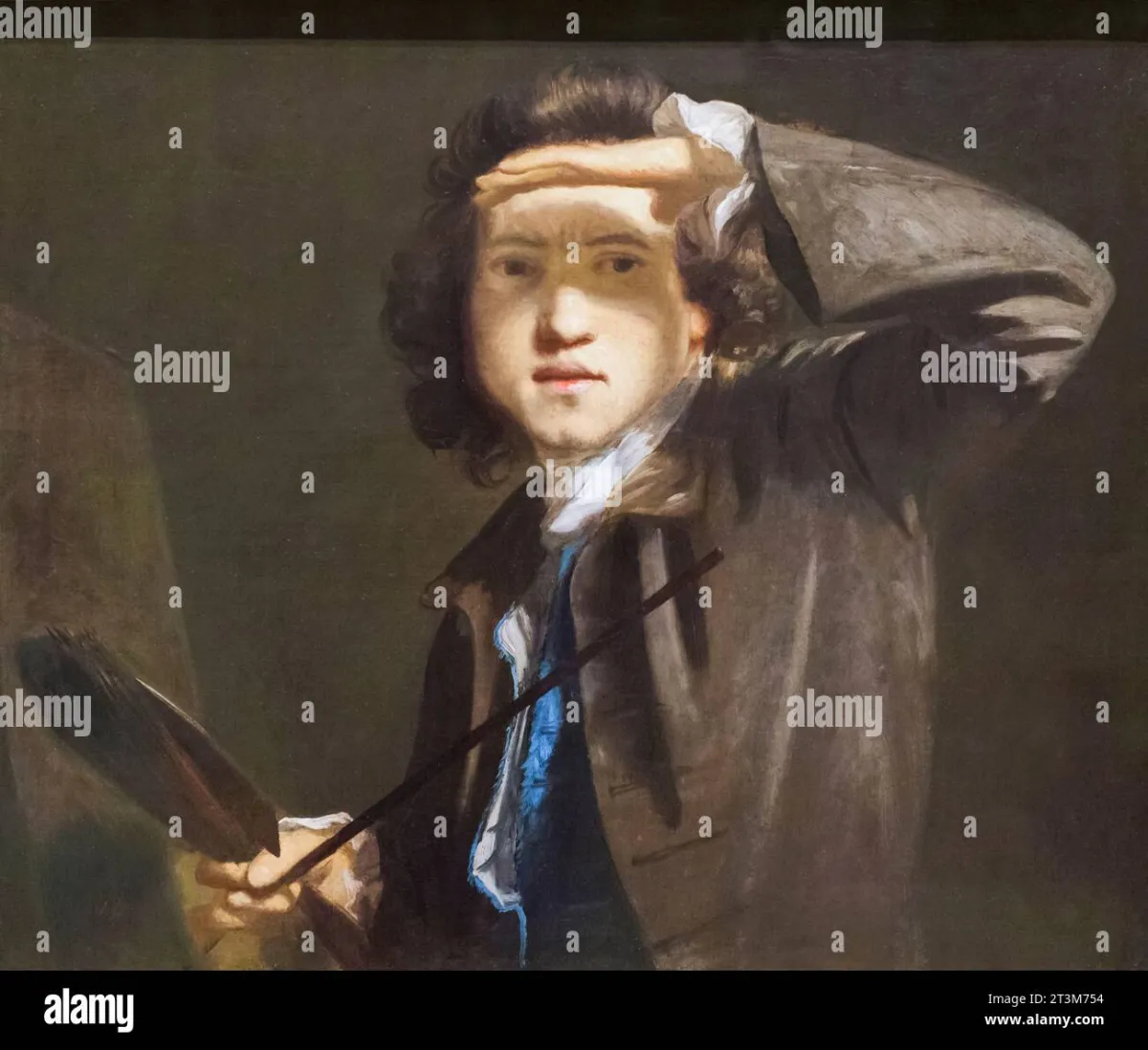 Photo: Joshua Reynolds, via c8.alamy.com
British portrait painting reached its zenith during the very centuries when the nation's literary and musical traditions were crystallising into enduring forms. The result was a unique convergence of artistic genius that would define how posterity remembered its cultural titans. From the grand manner of Reynolds and Gainsborough to the psychological intensity of Victorian masters, these portraits became as integral to British cultural heritage as the works their subjects created.
Masters of Musical Immortality
George Frideric Handel's commanding presence in Thomas Hudson's 1756 portrait established the template for depicting musical genius. The composer sits regally, manuscript in hand, his direct gaze suggesting both artistic authority and the divine inspiration that contemporaries attributed to his oratorios. This image became so definitive that it influenced how subsequent generations visualised the very concept of the classical composer.
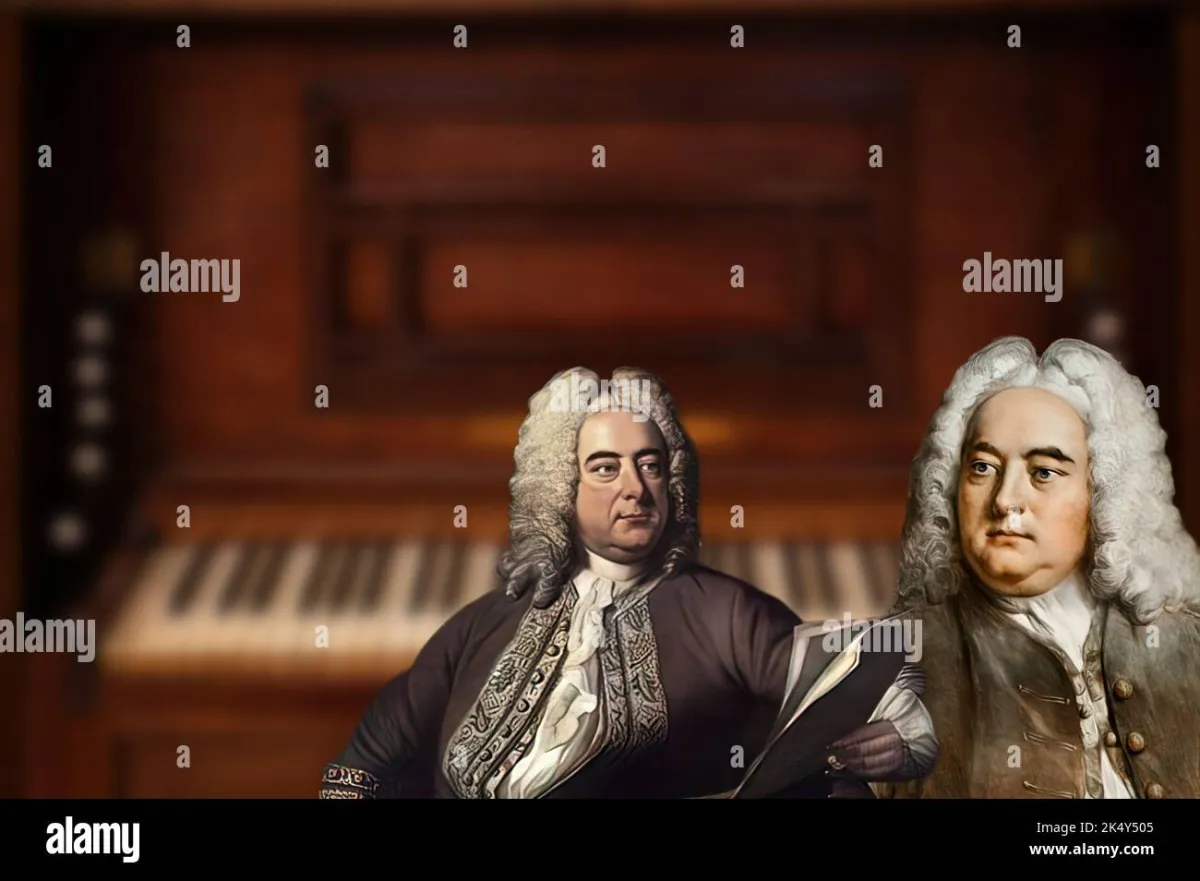 Photo: George Frideric Handel, via c8.alamy.com
The tradition continued with Thomas Gainsborough's sensitive portrayal of Johann Christian Bach, which captured not just physical likeness but the refined sensibility that made 'the London Bach' a bridge between Baroque tradition and emerging Classical style. These portraits served as visual manifestos, declaring music's elevated status within British cultural life.
William Hogarth's depiction of Captain Thomas Coram reveals another dimension of musical patronage—the merchant class's growing influence on artistic life. Though not a musician himself, Coram's portrait embodies the civic pride that would fund concert halls and opera houses across Georgian Britain.
Literary Giants in Oil and Canvas
The relationship between painter and writer proved particularly fertile ground for artistic collaboration. Reynolds' portrait of Oliver Goldsmith captures the playwright's gentle melancholy, whilst his depiction of Laurence Sterne reveals the wit behind Tristram Shandy through the sitter's knowing smile and theatrical gesture.
Perhaps no literary portrait achieved greater cultural resonance than Thomas Phillips' 1813 rendering of Lord Byron in Albanian dress. This exotic image, with its Eastern robes and brooding romanticism, became inseparable from Byron's literary persona. The portrait's influence extended far beyond Britain's shores, shaping European conceptions of the Romantic poet as cultural rebel.
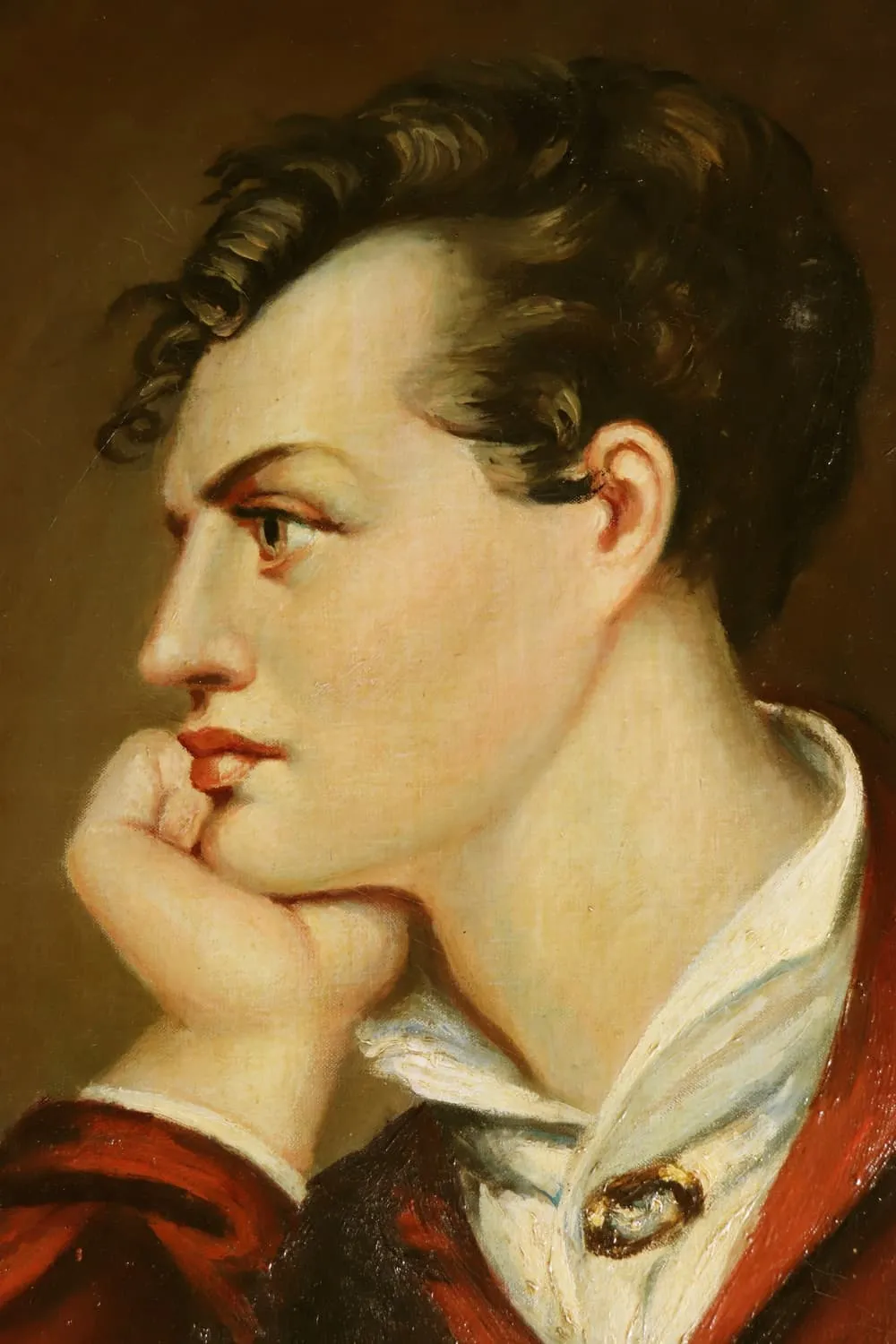 Photo: Lord Byron, via lotusgallery.art
The Victorian era brought psychological depth to literary portraiture. John Everett Millais' studies of Alfred Tennyson reveal the Poet Laureate's introspective nature, whilst George Frederic Watts' allegorical portraits elevated writers to the status of secular saints. These images reflected the period's veneration of literary genius as a quasi-religious force.
The Feminine Muse Captured
Female cultural figures presented particular challenges for portrait painters navigating social conventions whilst capturing artistic essence. Joshua Reynolds' depiction of actress Sarah Siddons as the Tragic Muse elevated performance to the realm of high art, establishing visual precedent for celebrating women's cultural contributions.
The twentieth century brought new approaches to depicting literary women. Vanessa Bell's portraits of Virginia Woolf reveal the intimate perspective of the Bloomsbury Group, where artistic and personal relationships intertwined. These works capture not just physical appearance but intellectual kinship between painter and subject.
The Gallery as Cultural Memory
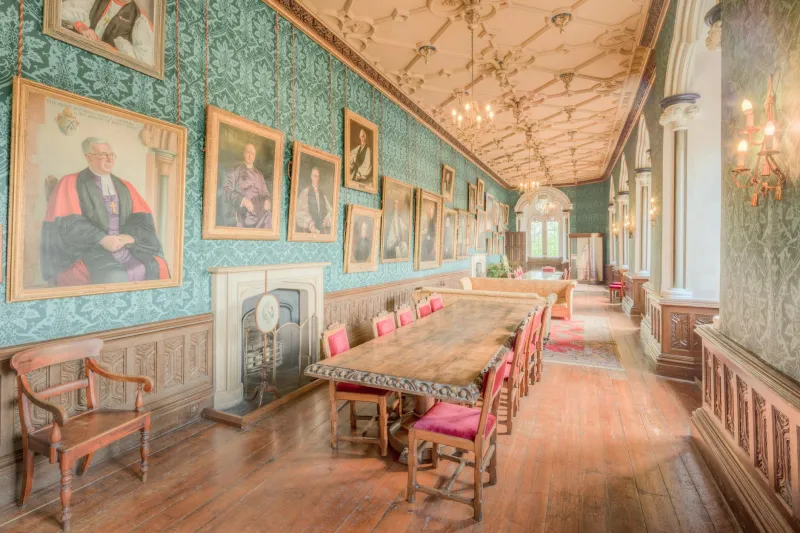
Britain's great collections preserve these visual testimonies to artistic genius. The National Portrait Gallery houses the definitive assembly of cultural portraiture, whilst regional galleries maintain important local collections. Knole House displays Gainsborough's musicians alongside Reynolds' writers, creating dialogue between artistic disciplines within domestic settings where such conversations originally occurred.
Private collections continue this tradition. Chatsworth House's remarkable assemblage includes portraits spanning three centuries, demonstrating how aristocratic patronage shaped both artistic production and cultural memory. These works remain within their original contexts, surrounded by the libraries and music rooms where their subjects once performed.
Legacy in Brushstrokes
The enduring power of these portraits lies in their ability to make the past immediate and personal. When we encounter Handel's penetrating gaze or Byron's romantic posturing, we connect across centuries with the individuals who shaped British cultural identity. These paintings preserve not just physical appearance but the cultural moment when artist and subject collaborated to create lasting mythology.
Contemporary portrait painters continue this tradition, though photography has inevitably altered the medium's cultural function. Yet the great portraits of Britain's cultural past remain irreplaceable documents of artistic achievement, reminding us that genius requires not just creation but preservation—and that sometimes the most enduring art captures not landscapes or narratives, but the faces of those who imagined worlds into being.