The Unseen Tuners: Keeping Britain's Concert Grands in Voice
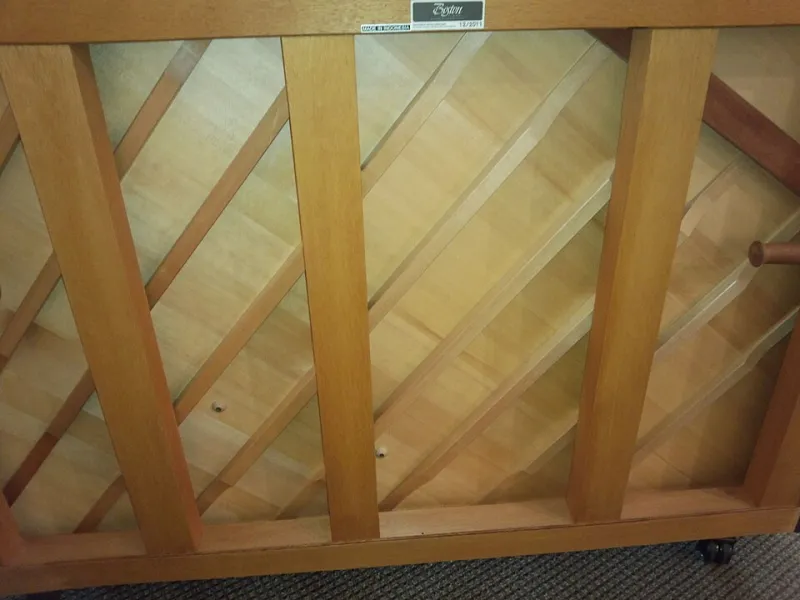
Photo: Rhona-Mae Arca, CC BY 2.0, via Wikimedia Commons
A concert grand piano is a machine of wood, felt, steel and iron, but it is also an instrument of memory. Before a recital, while the hall is still lit for cleaners and stagehands, a piano technician arrives with tools and a practised ear. The instrument may have travelled hundreds of miles, passed through changing temperatures and spent hours under stage lights. It must now be brought back to itself. The audience will hear the pianist. Few will see the craft that made the sound possible.
The Daily Discipline of Tuning
The first task is tuning, but tuning is never merely a matter of pitch. A concert grand must be set to a reliable standard, usually with A at 440 hertz, yet the tuner is also listening for the instrument's internal balance. A piano is not a single voice but a choir of strings, hammers and resonances. The tuner works through the registers, adjusting pins and listening for the point at which the intervals settle. In a concert hall, the work may be repeated at the interval, when warmth from the audience and stage lighting has shifted the instrument's tuning.
Humidity is the quiet adversary. Wood swells and contracts; felt changes; action parts become sluggish or loose. Many halls and conservatoires maintain careful climate control, but the technician must still read the room. A piano that sounds magnificent in an empty hall can behave differently when the seats are full. The professional ear is not only musical but environmental. It notices the draught from a stage door, the dryness of a winter morning and the way a particular instrument responds to the building around it.
Voicing the Instrument
Beyond tuning lies voicing, the art of shaping the instrument's tone. A pianist may ask for a sound that is warmer, brighter, more singing or more restrained. The technician responds not with a dial but with needles, files and felt. Hammers are shaped by hand, softened or hardened at the crown, and adjusted so that each note speaks evenly across the keyboard. This work is delicate and cumulative. A little too much needling can dull a tone; too little can leave it hard and brittle.
The best technicians speak of voicing as a conversation with the instrument and with the player. No two pianists want the same sound. A chamber recital may require intimacy; a concerto may need projection over an orchestra. The technician must translate those wishes into physical changes that remain stable under pressure. It is a heritage skill in the truest sense: taught through apprenticeship, observation and long practice, and difficult to capture in a manual.
From Workshop to Recital Hall
Restoration takes the craft further. Britain has a long tradition of piano making and piano care, and its workshops contain instruments that have survived decades of use. Restorers may repair soundboards, replace strings, rebuild actions and fit new hammers. They must understand the original design of an instrument while recognising that it is also a working tool for modern performers. A conservatoire piano may be played for hours each day; a hall piano may be reserved for recitals. Each requires a different balance of preservation and practicality.
The relationship between technician and institution is often long-standing. A hall may work with the same specialist for years, allowing a deep understanding of a particular instrument to develop. Conservatoires rely on technicians not only to maintain pianos but to teach students how to listen to their instrument and how to describe its problems. This quiet partnership supports the whole ecology of British musical life, from student recitals to international festivals.
A Craft Under Pressure
In 2026, the pressures on this craft are real. Skilled technicians are not produced quickly. Training requires time, mentorship and access to instruments of quality. The work is physically demanding and often unsocial, taking place before dawn or after the audience has gone home. Yet the demand remains. Concert halls, churches, schools, recording studios and private owners all depend on people who can hear what a piano needs and then make it happen.
The next time a recital begins and the first chord rings cleanly through the hall, it is worth remembering the unseen tuner who prepared the way. The pianist may take the applause, but the instrument has been coaxed, adjusted and voiced by hands that know when to intervene and when to leave well alone. That is the quiet genius of the piano technician: to make the instrument disappear into the music.