Symphonies of the Soil: The Forgotten Composers Who Sang Britain's Soul
In the concert halls of late Victorian and Edwardian Britain, a musical revolution was quietly taking shape. Whilst public attention focused on the continental masters—Wagner, Brahms, and their contemporaries—a determined cohort of British composers embarked upon an extraordinary mission: to forge a distinctly national musical voice that would speak the landscapes, legends, and deepest aspirations of these islands. Today, overshadowed by the justified fame of Elgar and Vaughan Williams, their achievements languish in undeserved obscurity.
The Quest for Musical Identity
The late nineteenth century witnessed an unprecedented flowering of cultural nationalism across Europe. From Dvořák's Bohemian symphonies to Grieg's Norwegian dances, composers sought to capture the essence of their homelands in orchestral sound. British musicians, long accustomed to importing their serious music from Germany and Italy, suddenly found themselves inspired by this movement towards musical self-determination.
The challenge facing British composers was particularly acute. Unlike their continental colleagues, who could draw upon rich traditions of folk music and national mythology, British composers confronted a musical landscape that seemed dominated by foreign influences. The solution lay not in rejection of European models, but in their creative synthesis with uniquely British materials—ancient ballads, Celtic legends, and the ineffable character of British landscape.
This generation of composers approached the task of musical nation-building with scholarly rigour and romantic passion. They collected folk songs from remote villages, studied ancient manuscripts, and sought to understand how the physical geography of Britain might translate into musical terms. Their works represent not mere exercises in patriotic sentiment, but serious attempts to create a musical language adequate to the complexity and richness of British cultural experience.
Granville Bantock: The Orientalist of the Midlands
Granville Bantock, perhaps the most cosmopolitan of this generation, found his musical nationalism through an unexpected route. His early fascination with oriental themes—evident in works like the 'Omar Khayyam' trilogy—gradually evolved into a distinctly British voice that incorporated exotic influences within fundamentally native structures.
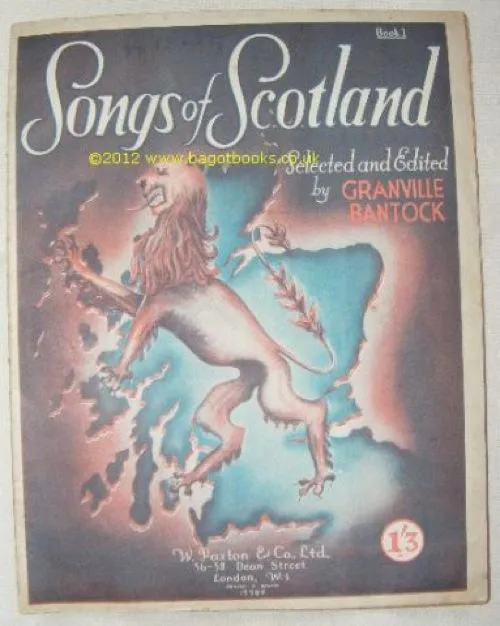 Photo: Granville Bantock, via pictures.abebooks.com
Bantock's orchestral tone poems, particularly 'The Witch of Atlas' and 'Fifine at the Fair', demonstrated how British composers might achieve the scale and ambition of their continental contemporaries whilst maintaining a recognisably national character. His use of Celtic themes in works like 'The Seal Woman' and 'Caedmar' showed how ancient British mythology could provide material for symphonic treatment equal to anything in Wagner or Sibelius.
The composer's academic career at Birmingham University allowed him to influence a generation of younger musicians whilst developing his own compositional voice. His students included many who would become significant figures in twentieth-century British music, ensuring that his approach to musical nationalism would continue to influence British composition long after his own works had faded from the repertoire.
Hamish MacCunn: The Highland Voice
Nowhere was the quest for musical nationalism more passionately pursued than in Scotland, where Hamish MacCunn created some of the most evocative orchestral portraits of landscape ever written by a British composer. His concert overture 'The Land of the Mountain and the Flood' remains his best-known work, but it represents only a fraction of his achievement in translating Scottish scenery and legend into symphonic terms.
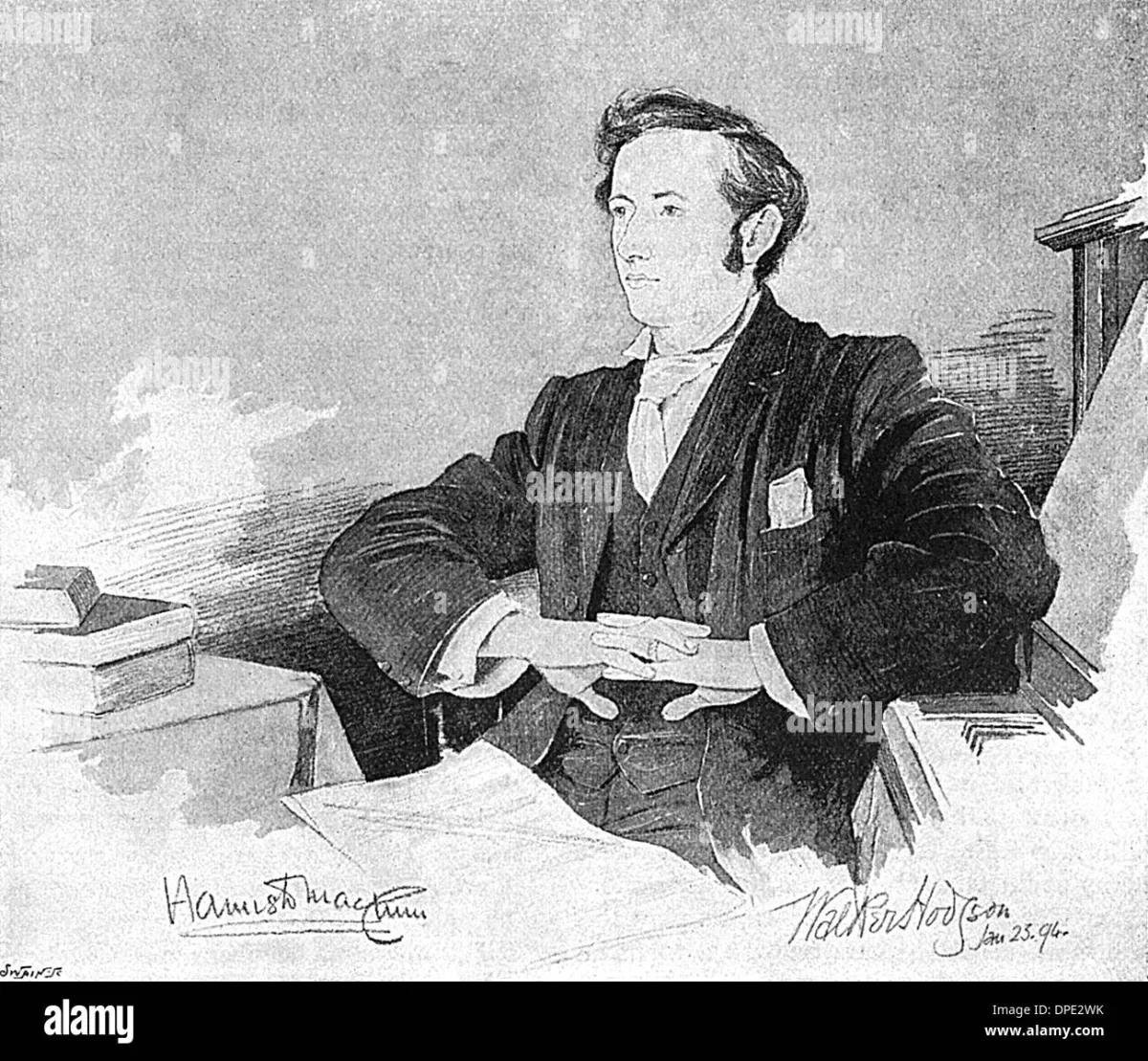 Photo: Hamish MacCunn, via c8.alamy.com
MacCunn's approach to Scottish musical nationalism was both scholarly and intuitive. He studied traditional Highland music with the same intensity that Bartók would later bring to Hungarian folk song, seeking to understand not merely the melodies themselves but the modal harmonies and rhythmic patterns that gave them their distinctive character. His orchestral works incorporate these elements with a sophistication that never sacrifices emotional directness for academic correctness.
The composer's operas, particularly 'Jeanie Deans' based on Scott's 'Heart of Midlothian', demonstrated how British composers might create viable alternatives to the Germanic models that dominated European opera. Though these works rarely receive modern performance, they represent serious attempts to forge a distinctly Scottish operatic tradition that might stand alongside the achievements of Czech or Russian national opera.
George Lloyd: The Last Romantic
George Lloyd, whose career spanned much of the twentieth century, represents the final flowering of British musical romanticism. His twelve symphonies, written between 1932 and 1998, offer a sustained meditation on the relationship between British landscape and musical expression that rivals anything in the continental tradition.
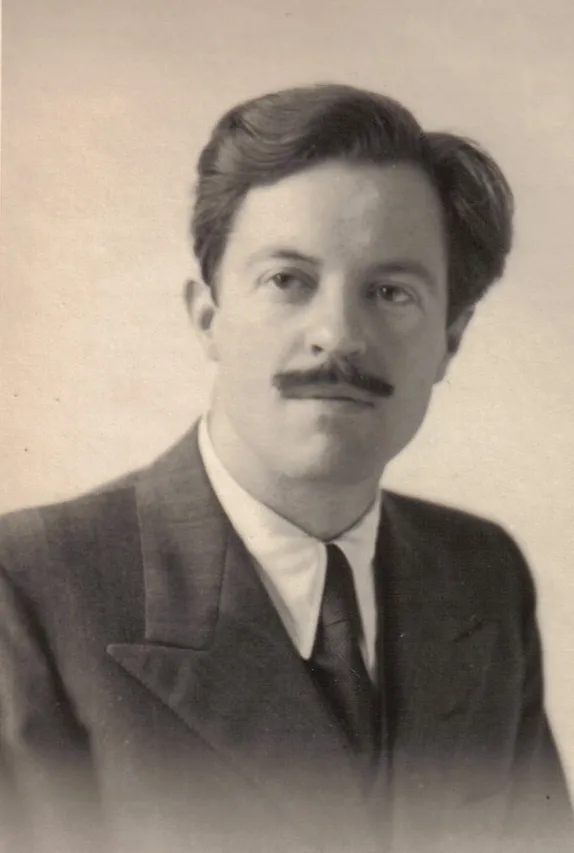 Photo: George Lloyd, via georgelloyd.com
Lloyd's symphonies demonstrate how the principles of musical nationalism established by earlier generations could be adapted to twentieth-century conditions without losing their essential character. His Third Symphony, inspired by the Cornish coast, and his Eighth, subtitled 'The Garden of the Innocent', show how British composers could create large-scale orchestral works that spoke directly to contemporary audiences whilst maintaining connection with deeper cultural traditions.
The composer's neglect during his lifetime—partly due to his unfashionable commitment to tonal composition during an era dominated by modernist experiment—has begun to reverse in recent years. His works offer compelling evidence that musical nationalism remained a viable and vital force in British composition long after it was supposed to have exhausted its possibilities.
The Celtic Voices
The Celtic nations produced several composers whose works deserve recognition alongside their English contemporaries. In Wales, Joseph Parry created orchestral works that captured the distinctive character of Welsh musical tradition, whilst in Ireland, composers like Stanford and Harty developed approaches to musical nationalism that influenced generations of successors.
These composers faced the particular challenge of creating art music that honoured folk traditions without condescending to them. Their solutions varied considerably—from Harty's sophisticated orchestral arrangements of traditional melodies to Stanford's more abstract incorporation of Celtic modal patterns into symphonic structures—but all demonstrated the rich possibilities for musical development that Celtic traditions offered.
Paths to Rediscovery
The revival of interest in these composers requires both scholarly investigation and practical advocacy. Recording projects, particularly those undertaken by smaller labels specialising in British music, have begun the essential work of making these compositions available to modern audiences. The Hyperion and Chandos labels, in particular, have championed neglected British composers with recordings that demonstrate the quality and significance of their achievements.
Concert performance remains more challenging, given the conservative programming policies of most major orchestras and the commercial pressures facing classical music organisations. However, several ensembles have shown that audiences respond enthusiastically to well-prepared performances of unfamiliar British works. The BBC Scottish Symphony Orchestra's Bantock series and the Royal Liverpool Philharmonic's Lloyd cycle demonstrate the possibilities for systematic exploration of this repertoire.
A Living Heritage
For today's listeners, these composers offer something increasingly rare in contemporary musical life: the opportunity to discover genuinely unknown masterpieces. Their works provide not merely historical curiosities but living music that speaks directly to contemporary concerns about identity, place, and cultural continuity.
The landscapes they celebrated—Highland glens, Welsh valleys, English downs—remain as beautiful and inspiring today as they were a century ago. Their musical responses to these places offer modern audiences a chance to hear familiar territories with fresh ears, to discover in orchestral sound the genius loci that earlier generations recognised and celebrated.
In an era of increasing cultural globalisation, these composers remind us of the irreplaceable value of local knowledge and regional character. Their works prove that musical nationalism, far from being a narrow or backward-looking movement, could generate art of universal significance and enduring beauty. The time has surely come for their voices to be heard again.