Gardens of Song: The Aristocratic Estates Where Opera Bloomed in Britain
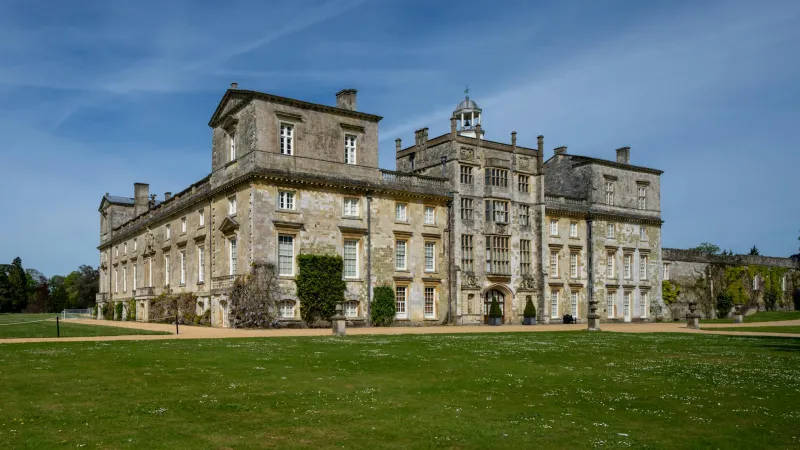
Amidst the manicured lawns and ancient oaks of Britain's great country houses, an extraordinary cultural tradition has flourished for nearly a century. Here, in settings that Jane Austen might have recognised, opera found a uniquely British expression—intimate, elegant, and refreshingly removed from the urban grandeur of Covent Garden or the commercial pressures of the West End. This is the story of how aristocratic vision and musical passion combined to create some of the most enchanting operatic experiences in the world.
The Glyndebourne Genesis
The tradition's founding moment came in 1934 when John Christie, a science master turned country squire, built an opera house in the gardens of his Sussex estate. Christie's vision was revolutionary: to present opera of international standard in a setting that combined rural tranquillity with absolute musical seriousness. The 300-seat theatre, designed by his wife, the soprano Audrey Mildmay, would become the template for a distinctly British approach to operatic presentation.
Glyndebourne's early seasons established principles that would define country house opera: meticulous preparation, extended rehearsal periods, and an atmosphere that encouraged both artistic risk-taking and audience intimacy. The festival's famous dinner intervals, originally necessitated by the lack of nearby restaurants, transformed into one of its most cherished traditions—guests in evening dress picnicking on the lawn whilst the sun set over the South Downs.
The success of Christie's experiment lay not merely in its musical excellence but in its creation of a complete cultural experience. Arriving at Glyndebourne meant entering a world apart, where the pressures of modern life dissolved in favour of pure aesthetic pleasure. This holistic approach would inspire imitators across the country, each adapting the model to their own architectural and geographical circumstances.
The Country House Network
By the 1960s, a constellation of smaller festivals had emerged across Britain's great estates. Thorpeness in Suffolk, founded by the Aldeburgh Festival's supporters, brought chamber opera to a purpose-built hall overlooking the North Sea. Holland Park's ruins provided a romantic backdrop for summer seasons that combined operatic rarities with contemporary works.
Each venue developed its own character and specialisation. Grange Park Opera, established in the grounds of a Hampshire country house, became renowned for its adventurous programming and spectacular staging. The intimate scale allowed for experimental productions that would have seemed impossible on larger stages—Monteverdi performed by candlelight, Mozart in Georgian drawing rooms, contemporary works that seemed to grow organically from their surroundings.
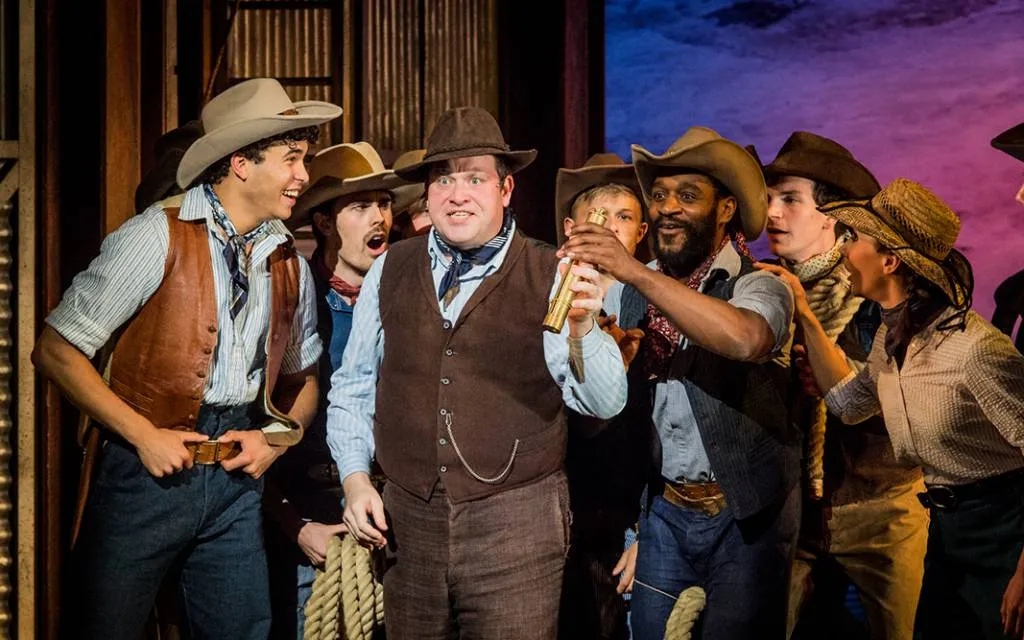 Photo: Grange Park Opera, via grange-park-opera-test-uploads.s3.amazonaws.com
These festivals shared certain characteristics that distinguished them from their urban counterparts. The absence of commercial pressure allowed for longer rehearsal periods and more adventurous casting. Young singers could develop roles over several seasons, creating a continuity of artistic development rarely possible in the international opera circuit. The residential nature of many festivals fostered collaborative relationships between artists, designers, and directors that often continued long after the final curtain.
Aristocratic Patronage and Artistic Freedom
The tradition of aristocratic musical patronage that had sustained Handel and Haydn found new expression in these operatic ventures. Unlike civic opera houses, dependent on public funding and box office receipts, country house festivals could afford to take artistic risks. Private patronage, often combined with corporate sponsorship attracted by the prestige of association with historic estates, created financial models that prioritised artistic excellence over commercial viability.
This independence manifested in adventurous programming that regularly featured neglected works alongside popular favourites. Grange Park's revival of Massenet's rarely performed operas, or Nevill Holt's championing of contemporary British works, exemplified the curatorial freedom that private patronage could provide. These festivals became laboratories for operatic experiment, testing grounds where new productions could develop before transfer to major houses.
The architectural settings themselves became active participants in the operatic experience. Ancient walls provided natural acoustic enhancement, whilst gardens and terraces offered staging possibilities unavailable in conventional theatres. Directors learned to incorporate the genius loci into their productions, creating performances that seemed inseparable from their settings.
The Modern Renaissance
Far from being a relic of a more leisured age, country house opera has experienced remarkable growth in recent decades. New festivals continue to emerge, often founded by musicians and opera lovers seeking alternatives to the increasingly commercial mainstream. Nevill Holt Opera in Leicestershire, established in 2013, has already gained international recognition for its innovative programming and spectacular productions.
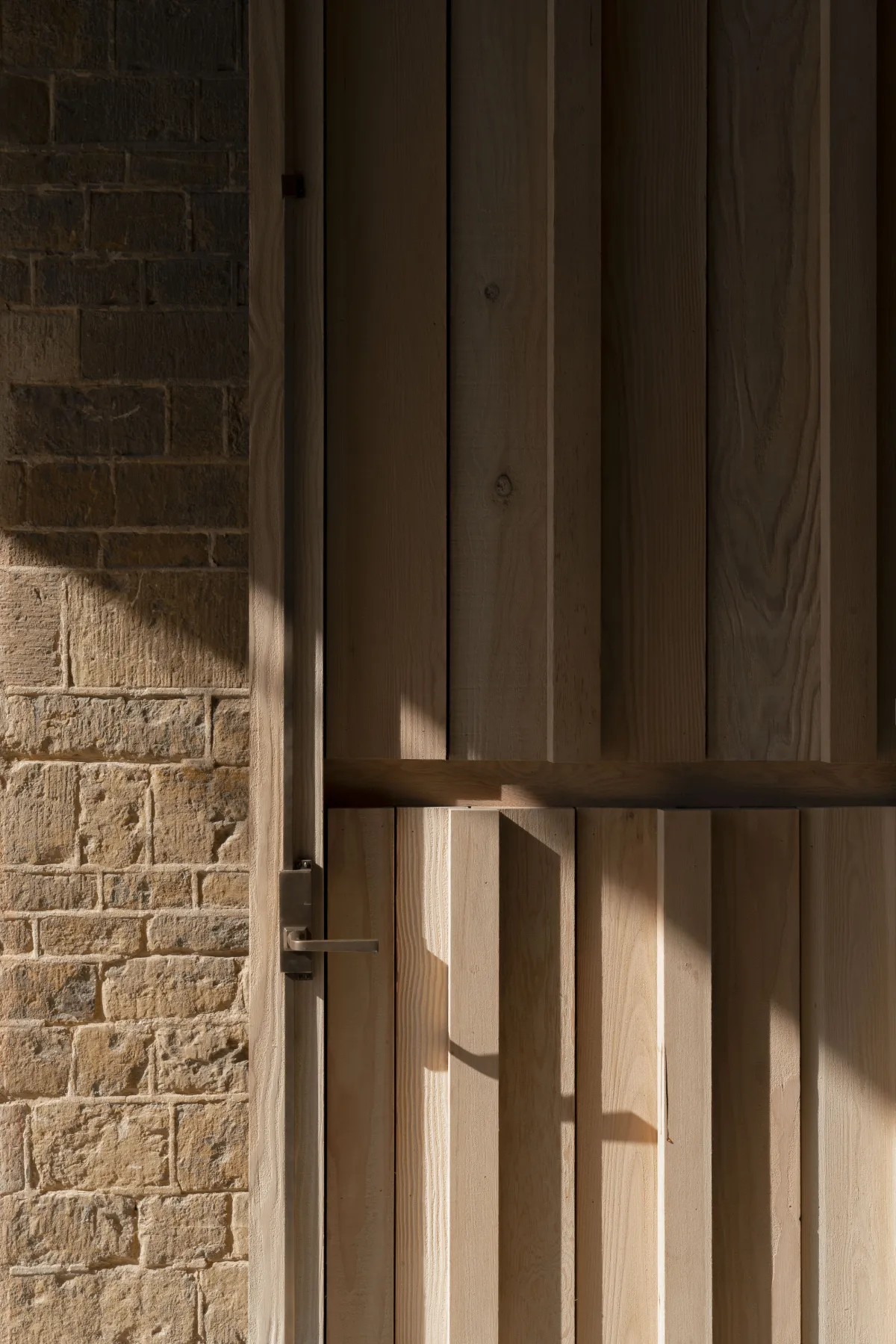 Photo: Nevill Holt Opera, via images.squarespace-cdn.com
These contemporary festivals have adapted the traditional model to modern circumstances whilst preserving its essential character. Sophisticated marketing and digital outreach have expanded audiences beyond the traditional country house constituency, whilst maintaining the intimate atmosphere that defines the experience. Live streaming and recorded performances have extended their influence far beyond their immediate geographical reach.
The programming has also evolved to reflect contemporary concerns whilst respecting traditional values. Environmental themes, social justice, and cultural diversity now feature prominently in productions that might once have seemed insulated from worldly concerns. Yet this evolution has occurred within the framework of artistic excellence and attention to detail that has always characterised the best country house opera.
Challenges and Continuity
The tradition faces significant challenges in the twenty-first century. Rising costs, changing social patterns, and the complexities of managing historic properties all threaten the financial viability of these enterprises. The COVID-19 pandemic particularly affected festivals dependent on international artists and audiences accustomed to close social interaction.
Yet the essential appeal of country house opera—its combination of artistic excellence with intimate scale and beautiful settings—continues to attract both artists and audiences seeking alternatives to increasingly homogenised cultural offerings. The success of recent additions to the festival calendar suggests that the tradition retains its vitality and relevance.
A Living Tradition
Today's visitors to Glyndebourne, Grange Park, or any of Britain's country house opera festivals participate in a tradition that connects them directly with centuries of musical patronage and cultural stewardship. In these gardens where peacocks strut between acts and champagne is served on ancient terraces, opera finds its most quintessentially British expression—civilised, beautiful, and utterly committed to the transformative power of music.
The country house opera tradition represents something precious in contemporary cultural life: proof that artistic excellence and popular appeal need not be mutually exclusive, that innovation can flourish within traditional frameworks, and that the marriage of music and place can create experiences of transcendent beauty. In an age of cultural globalisation, these festivals preserve something irreplaceably local whilst achieving standards that command international respect.