Pens of Power: How Britain's Music Critics Forged the Nation's Cultural Conscience

In the pantheon of British cultural influence, few figures command less recognition yet wielded greater power than the music critics who, for nearly two centuries, determined what the nation heard, how it listened, and which composers would achieve immortality. Armed with nothing more than pen and conviction, these literary arbiters transformed music criticism from mere reportage into a form of cultural evangelism that would define British musical taste for generations.
The Victorian Vanguard
The tradition began in earnest during the 1840s, when newspapers first recognised that music deserved the same serious attention as literature or politics. The pioneering critic James William Davison of The Times established the template: erudite, uncompromising, and possessed of an almost missionary zeal for musical education. His reviews read like philosophical treatises, dense with classical allusion and moral purpose.
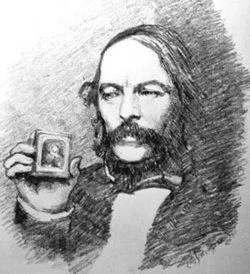 Photo: James William Davison, via alchetron.com
Davison's influence extended far beyond London's concert halls. When he championed Mendelssohn whilst dismissing Wagner as a charlatan, provincial concert societies across Britain adjusted their programmes accordingly. His successors understood this responsibility acutely. By the 1880s, critics like Joseph Bennett were consciously shaping public opinion, their weekly columns functioning as unofficial curricula for the nation's musical education.
The Literary Lions
The golden age arrived with the twentieth century's first decades, when criticism achieved genuine literary distinction. Ernest Newman, whose tenure at The Sunday Times spanned four decades, elevated music writing to an art form in its own right. His prose combined scholarly rigour with poetic sensibility, making complex musical arguments accessible to the general reader whilst never condescending.
 Photo: Ernest Newman, via cdn.shopify.com
Newman's contemporary, Neville Cardus of The Manchester Guardian, brought an entirely different sensibility to the discipline. Where Newman was the consummate musicologist, Cardus was the romantic poet, finding in music the same emotional landscapes he discovered in cricket and literature. His reviews of Hallé Orchestra concerts became legendary, transforming provincial musical life into something approaching the mythic.
 Photo: Neville Cardus, via thecarycollection.com
These men possessed an authority that seems almost incomprehensible today. When Newman declared a performance sublime or Cardus dismissed a conductor as pedestrian, careers hung in the balance. Their verdicts were quoted in drawing rooms from Edinburgh to Exeter, their opinions carrying the weight of papal pronouncements.
Makers of Taste
The critics' influence extended beyond individual performances to fundamental questions of repertoire and interpretation. Newman's championing of Wagner transformed British opera from a predominantly Italian affair into something more cosmopolitan. His detailed programme notes and analytical essays educated audiences in musical structures they had never encountered, creating the informed public that made Britain's Wagner renaissance possible.
Similarly, Cardus's passionate advocacy for contemporary British composers helped establish figures like Delius and Bax in the concert hall. His writing didn't merely report on musical developments—it actively shaped them, creating the cultural climate in which new music could flourish.
The critics also served as guardians of performance standards. Their detailed technical knowledge, combined with institutional memory spanning decades, made them formidable advocates for musical integrity. When a conductor took liberties with a beloved score, or when commercial pressures threatened artistic standards, these critics served as the conscience of British musical life.
The Wireless Revolution
The advent of BBC radio in the 1920s transformed criticism's reach and influence. Critics like Newman found their voices broadcast directly into millions of homes, their weekly talks becoming cultural events in their own right. The BBC's commitment to serious music programming, guided by critics-turned-administrators like Edward Dent, created an unprecedented opportunity for musical education on a national scale.
This period saw criticism evolve from elite discourse to public service. Critics became interpreters, helping ordinary listeners navigate the complexities of classical music. Their programme notes, broadcast talks, and educational writings created the informed audience that would sustain British musical life through the mid-century's golden age.
The Modern Predicament
Today's cultural landscape presents challenges that would have baffled earlier generations of critics. The democratisation of musical opinion through digital platforms has shattered the old authority structures. Where once a handful of critics could shape national taste, now thousands of voices compete for attention in an increasingly fragmented media environment.
The economic pressures facing traditional print journalism have decimated music criticism's institutional base. Major newspapers that once employed full-time music critics now rely on freelancers covering multiple art forms. The deep, sustained engagement that characterised earlier criticism has given way to brief reviews optimised for online consumption.
Yet perhaps the greatest challenge lies in criticism's changing function. Where Victorian and Edwardian critics served as gatekeepers in an age of limited musical access, today's critics must navigate a world of infinite choice. The curatorial function that once seemed essential now appears almost quaint in an era when algorithms recommend music based on listening history.
The Enduring Legacy
Despite these challenges, the tradition established by Newman, Cardus, and their contemporaries continues to influence British musical life. Today's finest critics—whether writing for newspapers, broadcasting for the BBC, or contributing to specialist publications—still aspire to the literary excellence and cultural authority of their predecessors.
The best contemporary music writing maintains criticism's essential functions: making complex art accessible, holding performers to the highest standards, and advocating for musical experiences that might otherwise be overlooked. In an age of cultural abundance, these voices remain essential guides through the overwhelming richness of musical possibility.
The ink may have given way to pixels, but the fundamental mission remains unchanged: to serve as intermediaries between art and audience, helping the nation hear more clearly, listen more deeply, and appreciate more fully the inexhaustible riches of musical expression.