The Stone That Sings: England's Parish Churches and the Birth of a Musical Nation
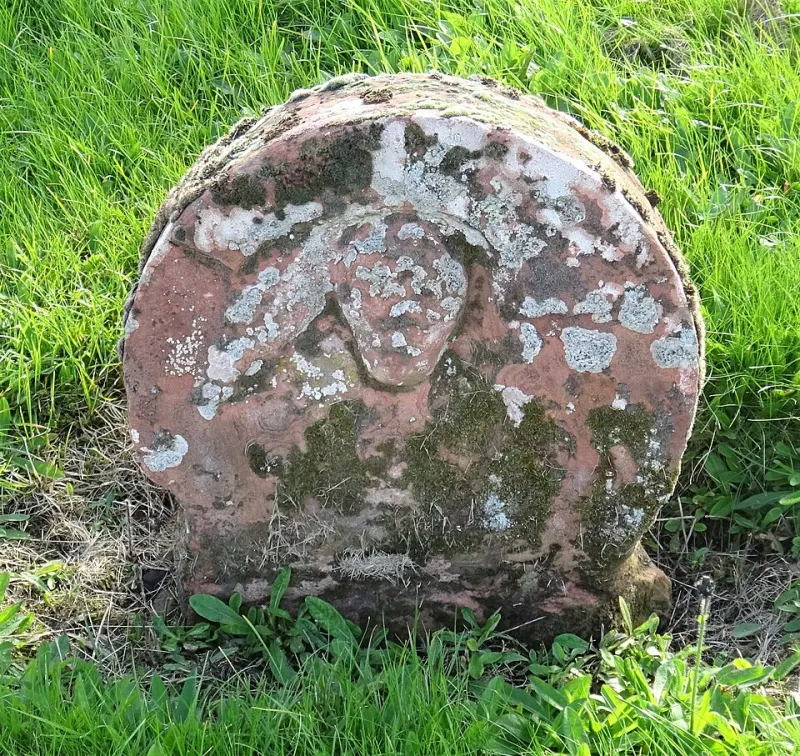
Photo: Rosser1954, CC BY-SA 4.0, via Wikimedia Commons
The Stone That Sings: England's Parish Churches and the Birth of a Musical Nation
The story of British music, as it is conventionally told, tends to begin in places of grandeur — in the great cathedrals of Winchester, Canterbury, and Salisbury, in the royal chapels of Windsor and Westminster, in the purpose-built concert halls of the nineteenth century. These are, undeniably, significant chapters in a long and richly complex narrative. But they are not the beginning.
The true origins of British musical culture lie somewhere quieter, more scattered, and far more easily overlooked: in the thousands of parish churches that stand in villages, market towns, and urban streets across England, many of them little changed in their essential character since the medieval centuries in which they were first raised. These buildings were not merely the settings in which early British music was performed. They were the conditions that made it possible.
Where the First Voices Rose
The earliest forms of organised music in Britain were inseparable from the liturgical life of the Church. Plainchant — the unaccompanied melodic singing that formed the sonic texture of medieval worship — was practised not only in monastic houses and cathedral chapters, but in the smallest rural churches, where priests and their small congregations participated in a musical tradition of ancient and continuous lineage.
The survival of this tradition in material form is remarkable. At St Mary the Virgin in Edington, Wiltshire — a church of unusual grandeur for a village of its size, founded in 1361 as a collegiate church of Augustinian canons — medieval musical manuscripts have been associated with the establishment from its earliest years. The building itself, with its elaborate decorated stonework and intact medieval choir, provides a vivid sense of the sonic world those early singers inhabited. Edington today hosts an annual festival of music within the liturgy that draws musicians from across the country — a living continuation of a tradition that is, in this place, genuinely unbroken.
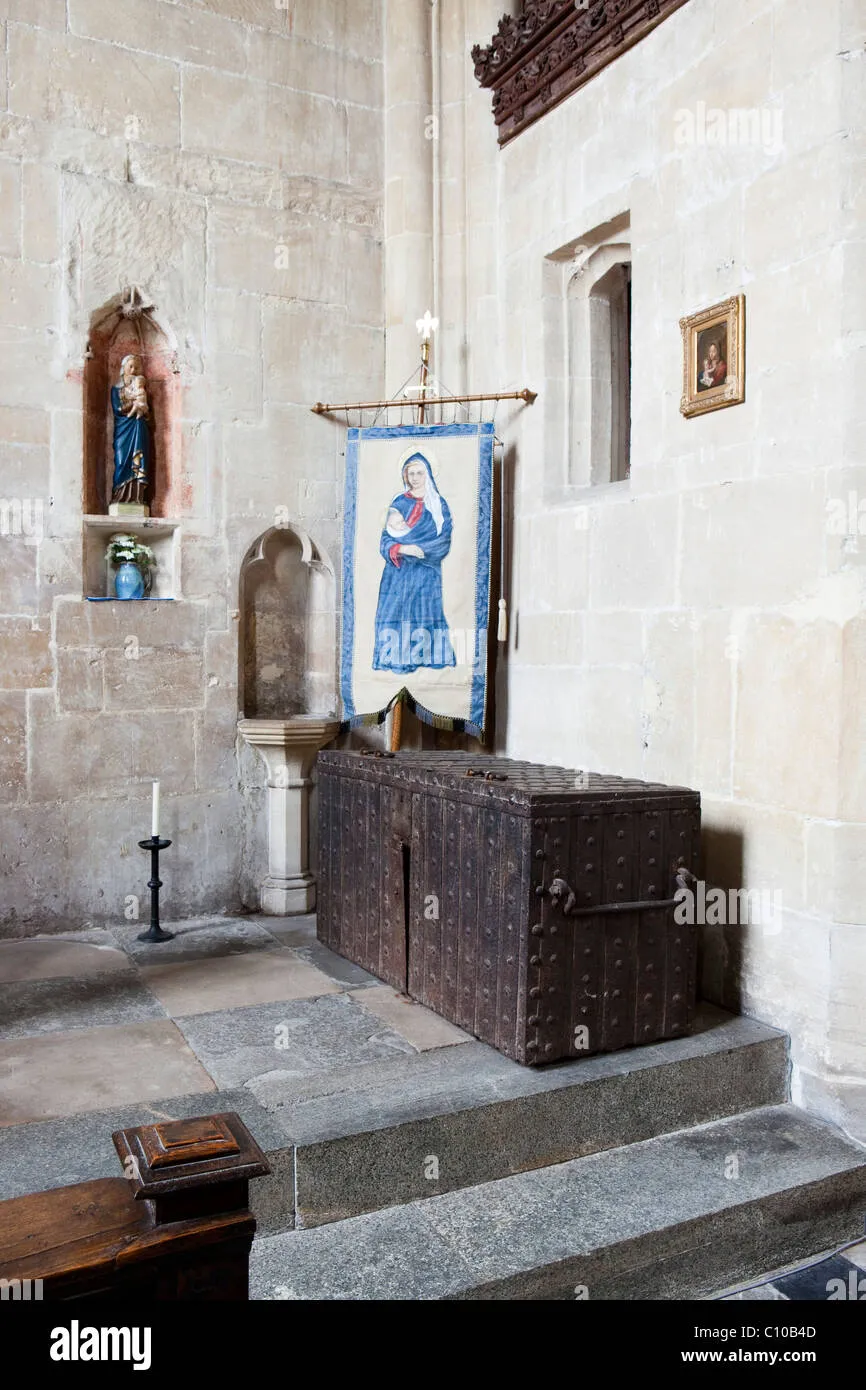 Photo: St Mary the Virgin in Edington, Wiltshire, via c8.alamy.com
Further north, in the small church of St Peter and St Paul at Lavenham, Suffolk — one of the great wool churches of East Anglia, built in the late fifteenth century — the carved choir stalls retain traces of the medieval musical culture that once animated the building. The acoustic properties of these stone interiors were not accidental; they were understood and exploited by the musicians and architects who worked within them. The long reverberation of a stone vault was not merely a physical characteristic but a compositional consideration, shaping the kind of music that could be sung effectively within it.
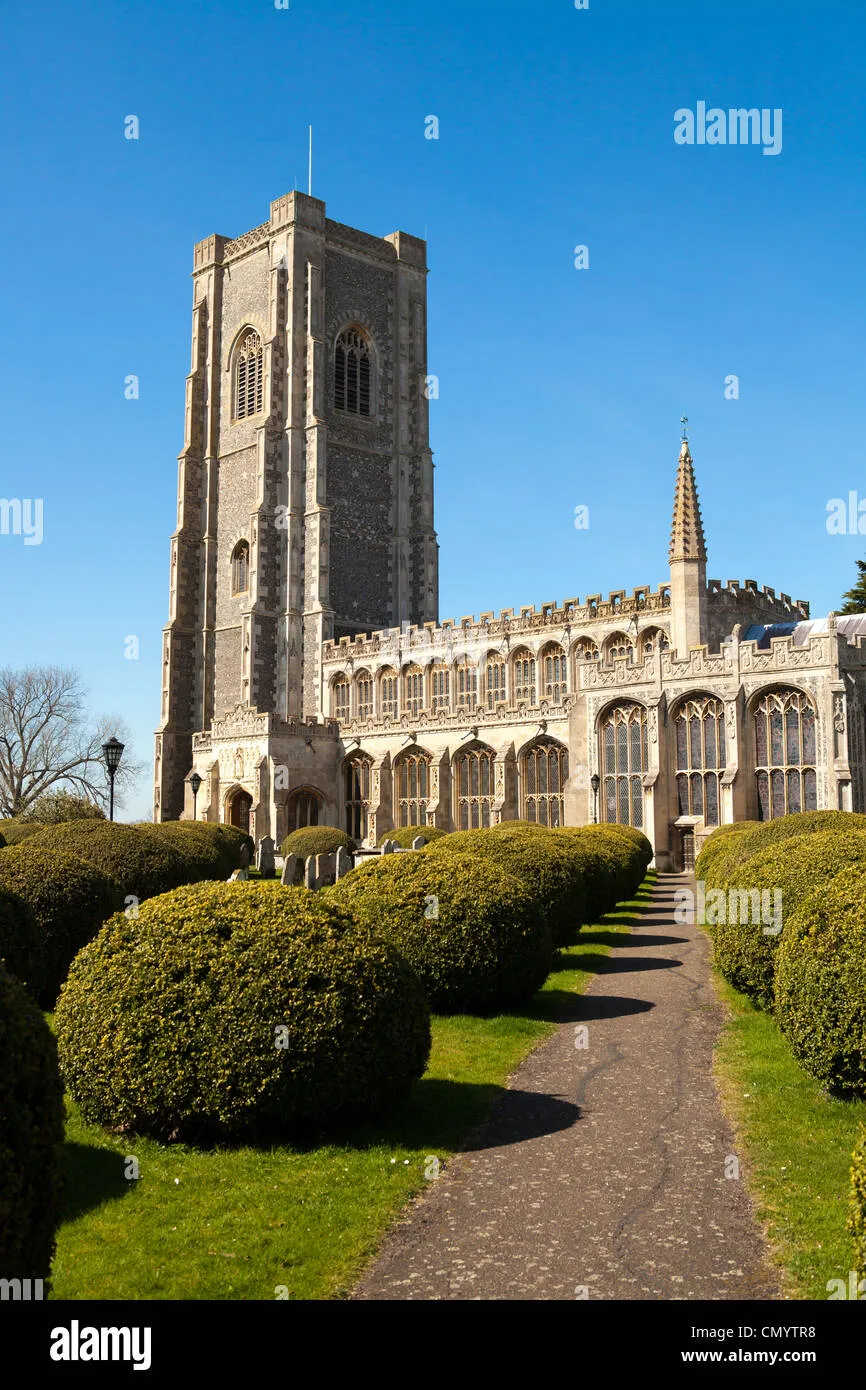 Photo: St Peter and St Paul at Lavenham, Suffolk, via c8.alamy.com
Tudor Polyphony in Humble Surroundings
The Tudor period represents, by broad consensus, the first golden age of distinctly English musical composition. The polyphonic works of Thomas Tallis, William Byrd, and Orlando Gibbons — names more commonly associated with the Chapel Royal and the great cathedrals — were in fact disseminated far more widely than their prestigious origins might suggest. Printed part-books, increasingly available from the mid-sixteenth century, carried this music into the hands of parish church musicians across the country.
At All Saints, Fulham — now engulfed by London but in the Tudor period a village church on the Thames — and at St Michael and All Angels in Framlingham, Suffolk, where the Howard family tombs create one of the most remarkable funerary ensembles in England, the connections between parish church life and the highest levels of Tudor musical culture are tangible and direct. Framlingham's organ, though much rebuilt, occupies a case that dates substantially from the early seventeenth century — one of the oldest surviving organ cases in England — and speaks directly of the musical ambitions of a parish church at the height of the Tudor-Stuart musical tradition.
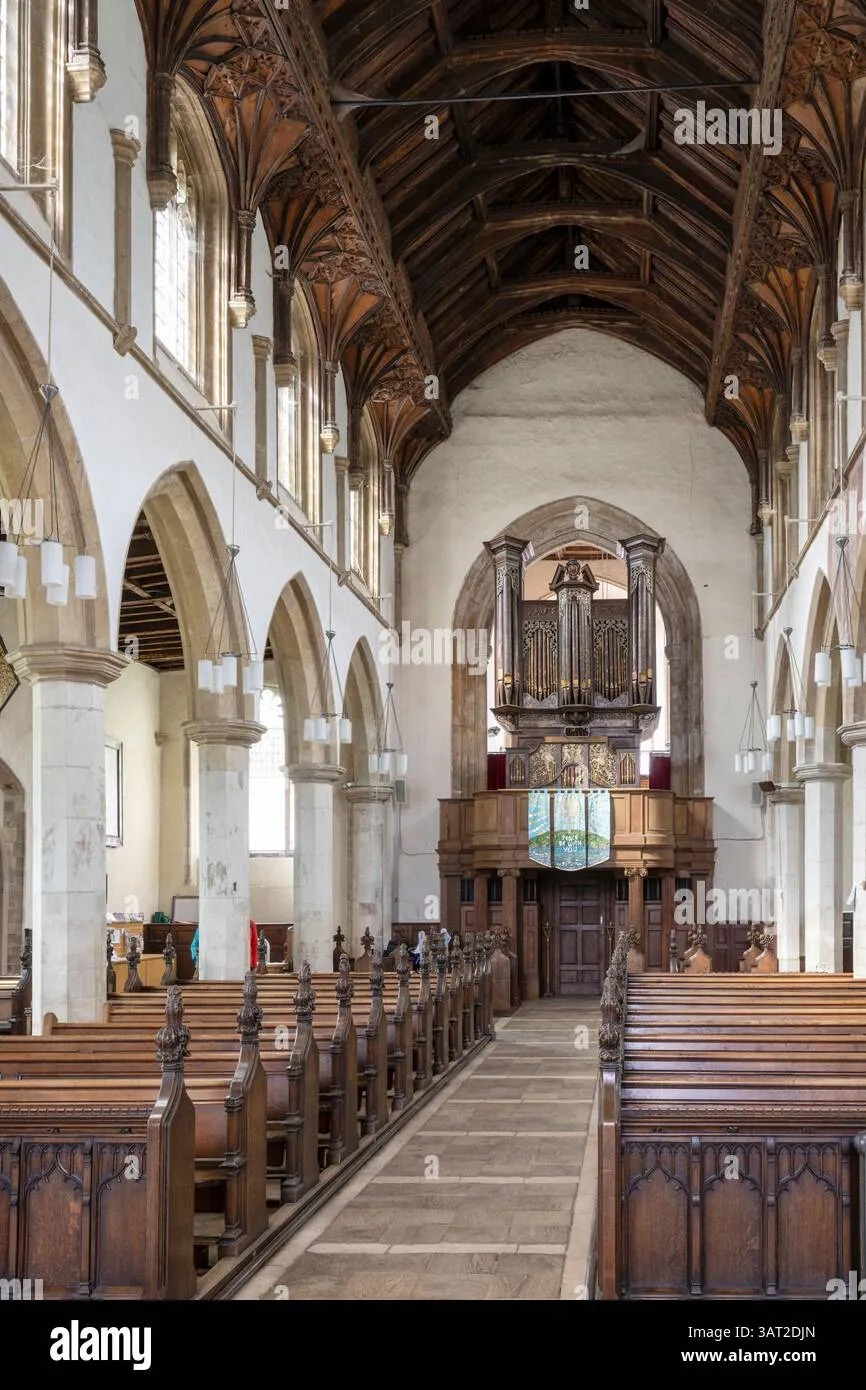 Photo: St Michael and All Angels in Framlingham, Suffolk, via c8.alamy.com
The Vernacular Revolution
The Reformation brought a transformation in English church music that resonates to this day. The introduction of vernacular worship — the replacement of Latin liturgy with the English of Cranmer's Book of Common Prayer — created both a crisis and an opportunity for parish music. The elaborate polyphony of the pre-Reformation tradition was, in many places, swept away. In its place emerged something new: the congregational hymn, sung in the common tongue by ordinary worshippers.
This development, humble in its immediate context, was of enormous long-term cultural significance. The tradition of communal hymn-singing that took root in English parish churches during the sixteenth and seventeenth centuries would eventually produce, through the nonconformist movements of the eighteenth century, one of the most distinctive and enduring strands of British musical culture. The hymns of Isaac Watts and Charles Wesley — composed for congregations rather than trained choirs — represent a democratisation of musical participation that transformed the relationship between ordinary people and the act of singing.
The physical evidence of this transformation survives in numerous parish churches. At St Giles, Cripplegate in the City of London — where John Milton was baptised and later buried — the rebuilt interior still contains elements that speak of the long continuity of parish musical life through Reformation and beyond. At Epworth Old Rectory in Lincolnshire, the birthplace of John and Charles Wesley, the connections between a particular domestic and ecclesiastical environment and the birth of a new musical tradition are made vivid.
Endangered Acoustic Treasures
The material heritage of these churches is, in many cases, alarmingly fragile. Historic pipe organs — instruments that in some cases represent the last surviving examples of particular building traditions — are deteriorating in churches that lack the financial resources to maintain them. The organ at St Mary Magdalene, Newark-on-Trent, retains significant elements from a late-seventeenth-century instrument; that at St Nicholas, Stanford-on-Avon, in Northamptonshire, includes pipework of even earlier date. These are not merely curiosities; they are acoustic documents, capable of producing sounds that have not been heard elsewhere for three centuries or more.
The Church of England's ongoing programme of church closures and redundancies, driven by demographic and financial pressures that are entirely understandable, nonetheless carries genuine cultural risks. When a parish church closes, its contents — including historic organs, choir furnishings, and occasionally manuscript musical materials — face an uncertain future. The Historic England register of listed buildings provides some protection for the fabric of these structures, but does not always extend to their musical contents.
Organisations such as the British Institute of Organ Studies and the Historic Organs Sound Archive are working to document and preserve what remains, and their efforts deserve far greater public recognition and support than they currently receive. The acoustic heritage of the English parish church is not a specialist concern; it is a national one.
A Quiet Pilgrimage
For those willing to seek them out, these churches offer encounters with history of a peculiarly intimate kind. To stand in the choir of a medieval parish church, to look up at carved misericords depicting musicians with their instruments, or to hear an elderly pipe organ breathe into life in a vaulted stone interior, is to experience a continuity that no concert hall can replicate.
Britain's musical heritage did not begin in the Proms or the opera house. It began here — in places of modest scale and extraordinary depth, where voices first rose in organised song and where the relationship between a community and its music was forged over centuries of shared worship. These stones still sing, for those with ears to hear them. The urgent question is whether we shall ensure they continue to do so.