Treasures Behind Closed Doors: The Private Palaces That House Britain's Hidden Artistic Heritage
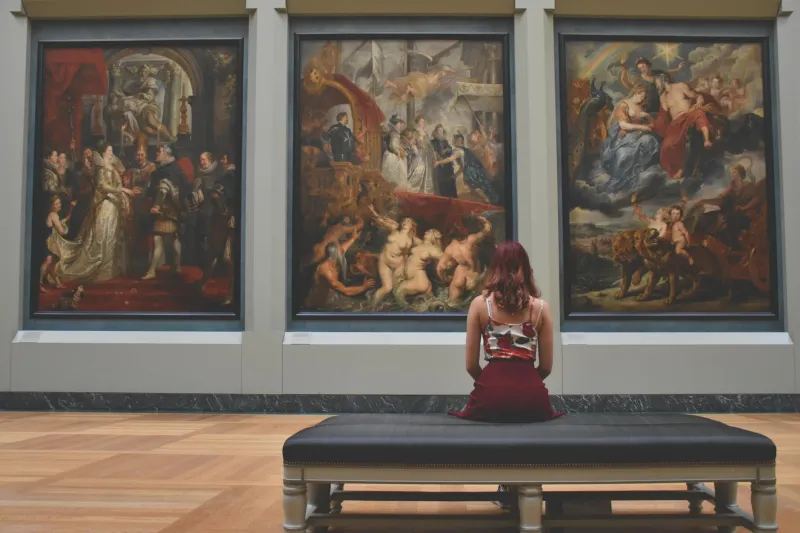
The Secret Louvre
Descending the grand staircase at Chatsworth House, visitors encounter what many consider the finest private art collection in Britain. Van Dyck portraits gaze down from gilded frames, whilst Canova sculptures gleam in marble perfection beneath soaring ceilings painted by Laguerre. Yet for every masterpiece displayed in these public rooms, a dozen more remain hidden in private apartments, store rooms, and family quarters—accessible only to house guests and the occasional scholar granted special permission.
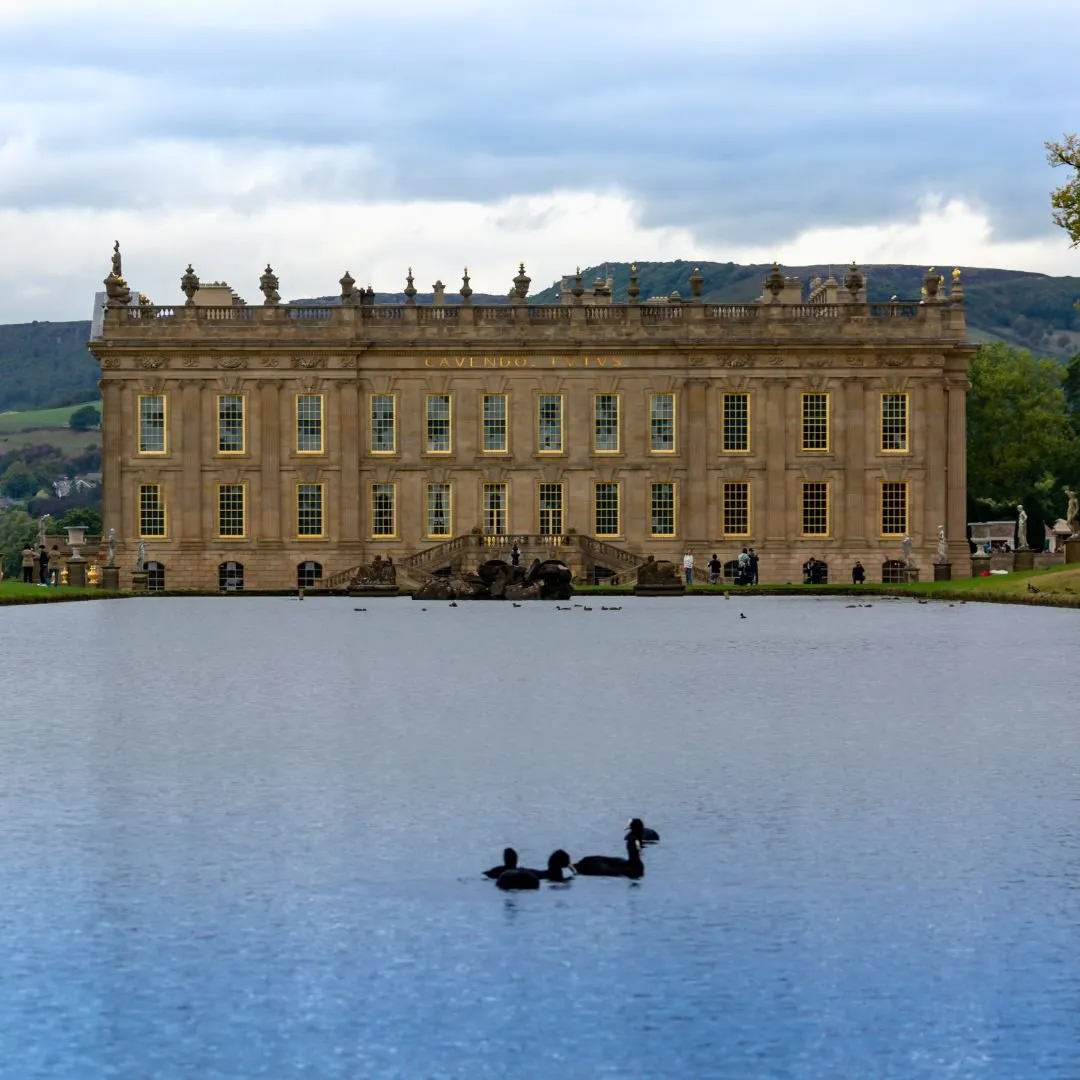 Photo: Chatsworth House, via images.squarespace-cdn.com
This pattern repeats across Britain's great estates, where centuries of collecting by aristocratic dynasties have created private museums of extraordinary richness. Behind the doors marked 'Private' in our stately homes lies what amounts to a parallel national gallery, dispersed across hundreds of properties and largely invisible to the public that might benefit from its cultural riches.
The Grand Accumulation
The story of Britain's private collections begins with the Grand Tour, that eighteenth-century rite of passage that sent young aristocrats across Europe in pursuit of culture and refinement. These privileged travellers returned with treasures that would form the nucleus of family collections: classical sculptures from Roman excavations, Renaissance paintings from Venetian palazzos, and contemporary works commissioned directly from Europe's leading artists.
The 2nd Earl of Burlington exemplified this tradition when he returned from Italy in 1719 with architectural drawings by Palladio and paintings by Sebastiano Ricci. His collection, now divided between Chatsworth and the Burlington Fine Arts Club, represented not merely aesthetic appreciation but cultural ambition—an attempt to transplant European sophistication to British soil.
Similarly, the Dukes of Devonshire accumulated over three centuries one of Europe's finest private collections. Their London house in Piccadilly and their Derbyshire seat became repositories for works by Rembrandt, Poussin, and Lucian Freud, whilst their library holds manuscripts and rare books that scholars travel from across the world to study. Yet much of this collection remains inaccessible to all but the most privileged visitors.
The Connoisseur Collectors
Not all great private collections resulted from inherited wealth and aristocratic privilege. The twentieth century saw the emergence of a new breed of collector—industrialists, financiers, and entrepreneurs who combined commercial success with genuine aesthetic passion. These modern connoisseurs often displayed more adventurous taste than their aristocratic predecessors, embracing contemporary artists and challenging conventional hierarchies.
Sir Kenneth Clark, though born to wealth, exemplified this more democratic approach to collecting. His Surrey home, Saltwood Castle, housed an eclectic mixture of medieval manuscripts, Impressionist paintings, and works by contemporary British artists like Graham Sutherland and John Piper. Clark's vision extended beyond mere accumulation to active patronage, supporting living artists whilst preserving historical treasures.
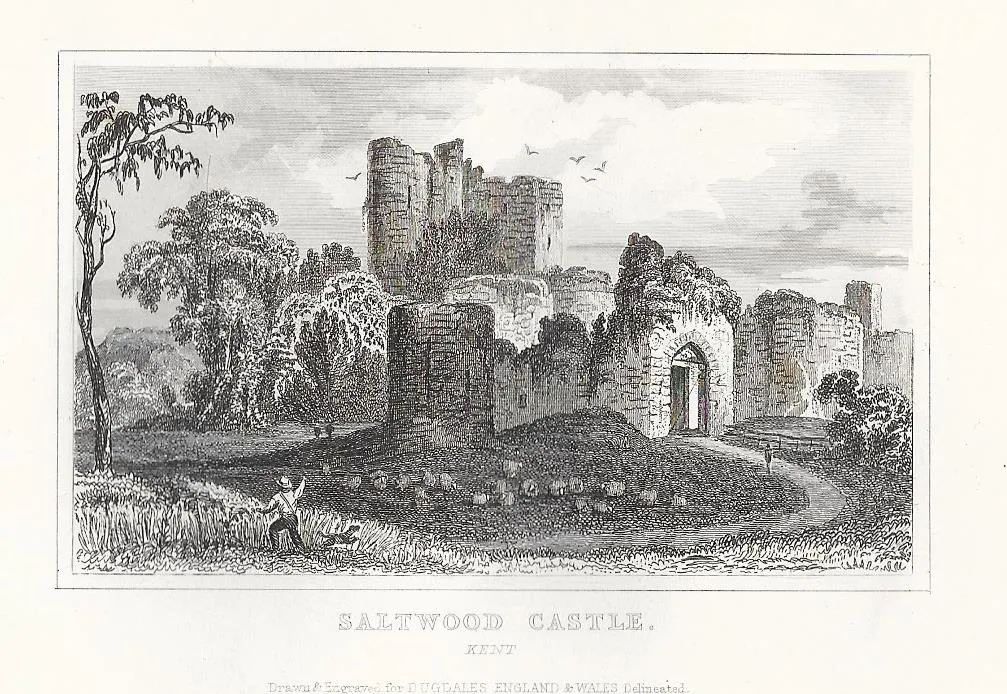 Photo: Saltwood Castle, via www.mapsandantiqueprints.com
Similarly, the textile magnate Samuel Courtauld assembled at his London home one of the finest collections of Impressionist and Post-Impressionist paintings outside France. Works by Cézanne, Manet, and Renoir that now grace the walls of the Courtauld Gallery were once enjoyed by dinner guests in Portman Square, creating an intimate relationship between art and daily life that public museums struggle to replicate.
The Hidden Treasures
What remains in private hands defies easy categorisation or valuation. At Arundel Castle, the Duke of Norfolk's collection includes medieval manuscripts, Renaissance bronzes, and contemporary British paintings that have never been publicly exhibited. The family's Catholic heritage has preserved religious artworks that might otherwise have been lost during the Reformation, creating a unique window into pre-Protestant British culture.
In Scotland, the Duke of Buccleuch's collection at Drumlanrig Castle includes works by Holbein, Murillo, and Rembrandt that rank among the finest examples of their type anywhere in the world. Yet these masterpieces are seen only by the handful of visitors granted access to the private apartments, their existence known mainly through scholarly catalogues and insurance valuations.
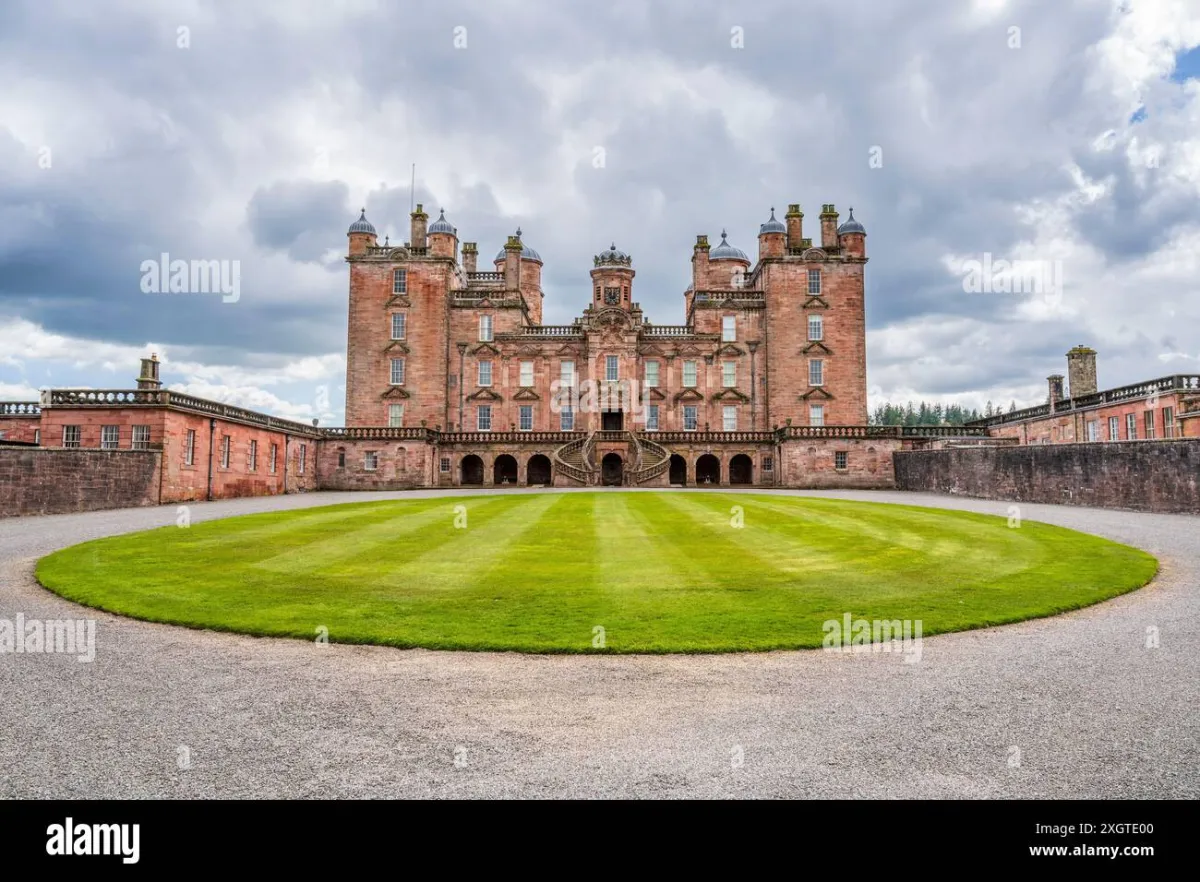 Photo: Drumlanrig Castle, via c8.alamy.com
Perhaps most remarkably, many private collectors continue to make significant acquisitions, adding to collections that already span centuries. The current Duke of Devonshire has acquired works by contemporary artists like Lucian Freud and David Hockney, ensuring that the family's collecting tradition continues into the twenty-first century. These modern additions often remain even more private than historical holdings, seen only by family members and close friends.
The Moral Imperative
The concentration of such artistic wealth in private hands raises profound questions about cultural equity and public access. Should works of international importance remain the exclusive preserve of their owners, or do they carry obligations to the broader community that created the wealth necessary for their acquisition?
Some collectors have responded to these concerns by establishing private museums or opening their homes to limited public access. The Wallace Collection, bequeathed to the nation by Lady Wallace in 1897, provides a model for how private collections can serve public benefit whilst maintaining their intimate character. Similarly, the Frick Collection in New York demonstrates how a collector's vision can create museum experiences impossible to replicate in conventional institutional settings.
Yet many owners resist such solutions, arguing that private ownership ensures proper conservation whilst preserving the domestic context in which works were originally intended to be seen. They point to the superior condition of many privately-held works compared to their museum counterparts, and argue that the obligation to preserve takes precedence over the desire to display.
The Digital Revolution
Technology offers new possibilities for sharing private collections without compromising their intimate character. High-resolution photography and virtual reality systems can now provide access to works that would otherwise remain completely hidden. The Royal Collection Trust has pioneered such approaches, making the Queen's private apartments at Windsor Castle accessible through digital tours that reveal treasures normally seen only by invited guests.
Some private collectors have embraced similar technologies, creating online catalogues and virtual exhibitions that share their holdings with global audiences. These digital initiatives suggest possibilities for compromise between private ownership and public benefit, allowing collections to remain in family hands whilst serving broader educational purposes.
The Future of Private Collecting
As inheritance taxes and maintenance costs mount, many historic collections face uncertain futures. The twentieth century saw numerous dispersals as families struggled to maintain both houses and collections in the face of changing economic circumstances. The sale of the Duke of Westminster's collection in the 1960s scattered masterpieces across international auction houses, whilst the breakup of the Earl of Radnor's collection deprived Britain of works that had been treasured for generations.
Yet some families have found innovative solutions that preserve collections whilst adapting to modern realities. Long-term loans to museums allow public access whilst maintaining family ownership, whilst charitable trusts can provide tax advantages that make continued private stewardship viable. The success of such arrangements suggests that private collecting and public benefit need not be mutually exclusive.
The Continuing Legacy
Britain's private art collections represent more than mere accumulations of valuable objects. They embody centuries of cultural ambition, aesthetic education, and artistic patronage that have shaped our national character. The aristocrats who commissioned portraits from Gainsborough, the industrialists who supported contemporary artists, the modern collectors who continue these traditions—all have contributed to a cultural ecosystem that extends far beyond museum walls.
As we consider the future of these collections, we must balance competing claims of preservation, access, and ownership. The treasures hidden behind the closed doors of Britain's great houses constitute a parallel national heritage that deserves both protection and, where possible, sharing. Whether through digital innovation, limited access programmes, or eventual public bequests, these private galleries must find ways to serve not only their current custodians but future generations who will inherit the responsibility for preserving Britain's artistic legacy.
The staircase galleries of our great houses hold more than paintings—they contain the history of British taste, ambition, and cultural identity. Their future depends on finding solutions that honour both private rights and public heritage, ensuring that these hidden treasures continue to enrich our national life for centuries to come.