The Living Page: Inside Britain's Great Repositories of Musical Manuscripts
Closer Than Any Edition
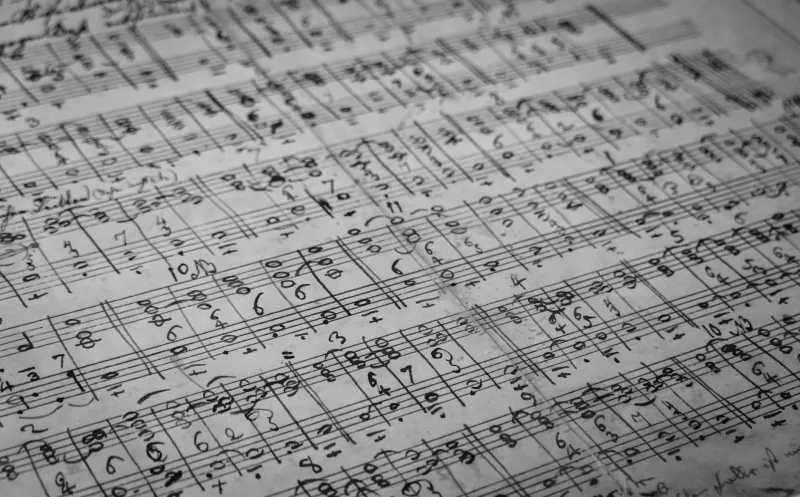
There is a moment, familiar to every scholar who has worked with original musical manuscripts, when the distance between the present and the past collapses entirely. It may occur upon noticing a composer's hasty correction — a bar crossed out with such force that the nib has torn the paper — or upon reading a dedication inscribed in a hand still warm with feeling. In that instant, the printed edition, however authoritative, reveals itself as an interpretation, a mediation, a translation from a primary language that only the manuscript itself speaks with full authority.
Britain is, by any measure, among the world's great custodians of such documents. From the British Library's incomparable holdings to the chapter libraries of Durham, Canterbury, and Salisbury cathedrals; from the Bodleian's music collections to the Fitzwilliam Museum's celebrated bequest; from the Royal College of Music's archives to the private repositories that scholars are still, in some cases, only beginning to catalogue — the manuscript wealth of this island is staggering in its breadth and its intimacy.
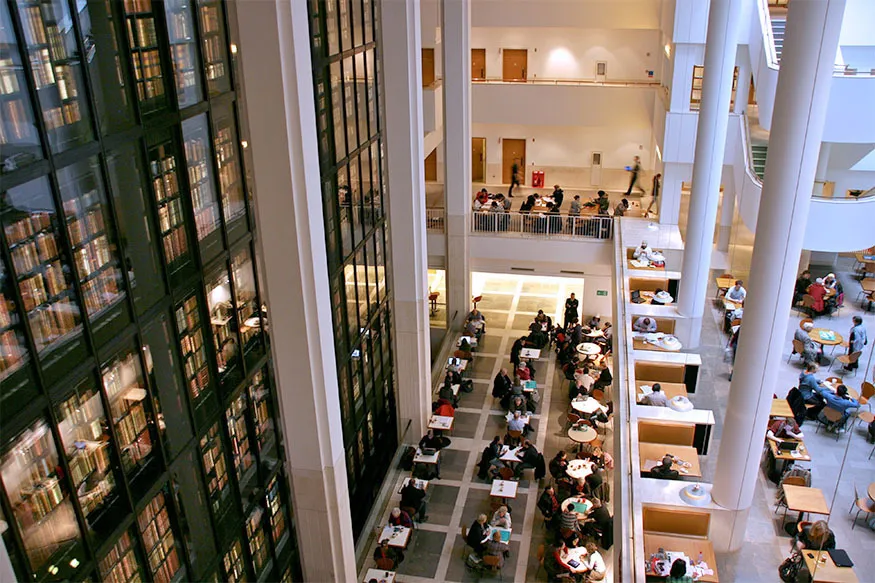 Photo: British Library, via assets.londonist.com
The British Library and Its Treasures
The British Library holds what is arguably the most significant collection of musical autographs in the world, encompassing works by composers whose careers stretched across four centuries of British and European musical history. Among its most celebrated possessions are autograph scores by George Frideric Handel, who spent the greater part of his working life in London and whose manuscripts passed, after his death, into collections that eventually found their permanent home on the Euston Road.
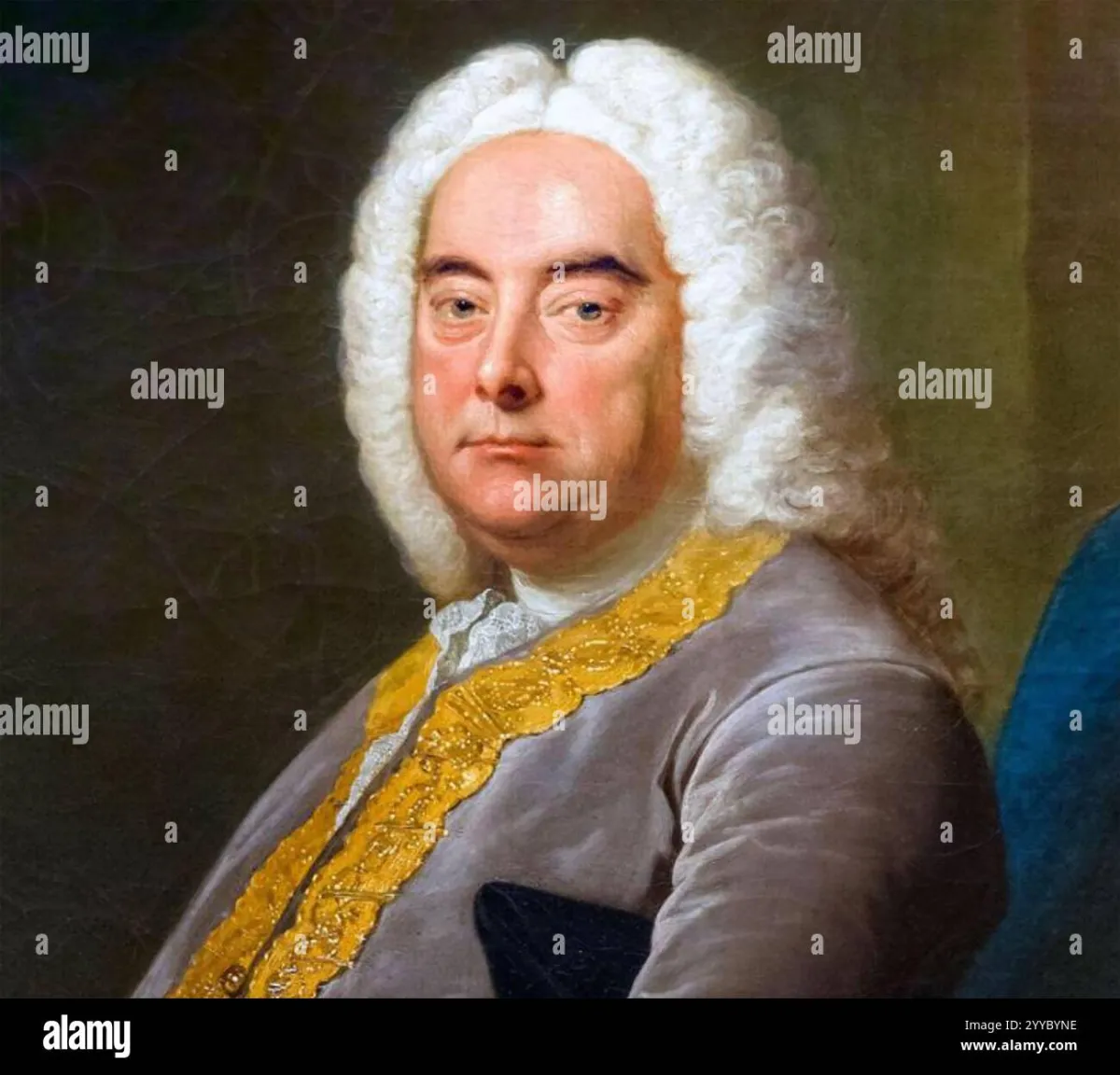 Photo: George Frideric Handel, via c8.alamy.com
To examine a Handel autograph is to encounter a composer of extraordinary fluency and, occasionally, extraordinary haste. His manuscripts reveal a creative intelligence that rarely needed to retrace its steps, yet which was capable of sudden and decisive revision when the theatrical or dramatic demands of a work required it. The erasures in his operatic scores — sometimes entire arias reconceived for different voices — tell a story of practical artistic judgment that no biography can fully capture.
Equally revelatory are the library's holdings of Elgar's working manuscripts. Sir Edward Elgar was a composer whose creative process was emphatically not one of serene, untroubled inspiration. His manuscripts are densely annotated documents — covered in pencil markings, alternative readings, and occasional expressions of frustration — that reveal the anxious, driven intelligence behind music that, in its finished form, projects such confident authority. The gap between the wrestling of the manuscript page and the assurance of the concert hall is itself a kind of education in the nature of artistic achievement.
 Photo: Sir Edward Elgar, via img.apmcdn.org
Cathedral Libraries and Their Quiet Custodians
Beyond the great national institutions, Britain's cathedral chapter libraries represent a largely unsung archive of incalculable importance. The music libraries of Durham, Ely, and Canterbury cathedrals, among others, hold manuscripts that document the daily practice of choral worship across centuries — part-books in which individual singers inscribed their own names, choir registers that record the voices of boys who sang before the Civil War, and anthems copied out by hand in the decades before printing made such labour unnecessary.
These are not glamorous documents in the manner of a Handel autograph or an Elgar sketch. They do not bear the signatures of the famous. Yet they preserve something equally valuable: the texture of musical life as it was actually lived, day by day, in the great choral foundations of England. The wear on their pages — the smudging of frequently turned corners, the water stains from a draughty vestry, the occasional ink blot — speaks of use rather than mere preservation, of music that was not collected but performed.
The custodians of these collections — often cathedral librarians working with limited resources and extraordinary dedication — deserve far greater recognition than they typically receive. Their work of cataloguing, conserving, and making accessible these materials is, in the most literal sense, an act of cultural rescue.
The Intimacy of the Annotated Score
Perhaps the most compelling category of manuscript material is not the composer's autograph but the annotated performance copy — the score marked up by a conductor, a soloist, or an accompanist in preparation for a specific occasion. These documents occupy a peculiar middle ground between composition and interpretation, recording the decisions made by individual performers at specific moments in history.
The Fitzwilliam Museum in Cambridge holds a number of such scores, including materials associated with performers of the nineteenth and early twentieth centuries whose markings offer a direct connection to performance traditions that would otherwise be entirely lost. To read a conductor's tempo markings in a Victorian orchestral score is not merely to recover information; it is to overhear a conversation between a musician and a composer that took place before living memory.
Similarly, the Royal College of Music's archive preserves working materials associated with figures who taught at the institution across its long history — annotated pedagogical scores, fingering exercises marked up for specific pupils, and correspondence that illuminates the relationship between teacher and student in ways that formal institutional records cannot. These documents are, in effect, the private correspondence of a musical education.
The Digitisation Debate
The question of digitisation has divided the archival community with a persistence that shows no sign of abating. The arguments in its favour are substantial and should not be dismissed: digital access extends the reach of manuscript collections to researchers who cannot travel to Britain, provides a form of insurance against physical deterioration, and enables scholarly comparison across collections that would otherwise require years of travel to consult in person.
Yet the case for the irreplaceable experience of the original page is equally compelling. The physical dimensions of a manuscript — the weight of the paper, the pressure of the pen, the evidence of erasure visible only under raking light, the smell of aged vellum — carry information that no digital reproduction, however high its resolution, can fully transmit. The scholar who reads Purcell's hand in the original is engaged in a different act of understanding from one who reads it on a screen, and the difference is not merely sentimental.
The most thoughtful institutions have arrived at a position that honours both imperatives: digitising broadly for access while investing in the conservation and scholarly presentation of the originals. Britain's great manuscript libraries, at their best, embody this balance. The living page — warm, imperfect, irreplaceable — remains the foundation upon which all else rests.