Spring's Secret Stages: Five Under-the-Radar British Venues Where the Acoustics Do the Singing
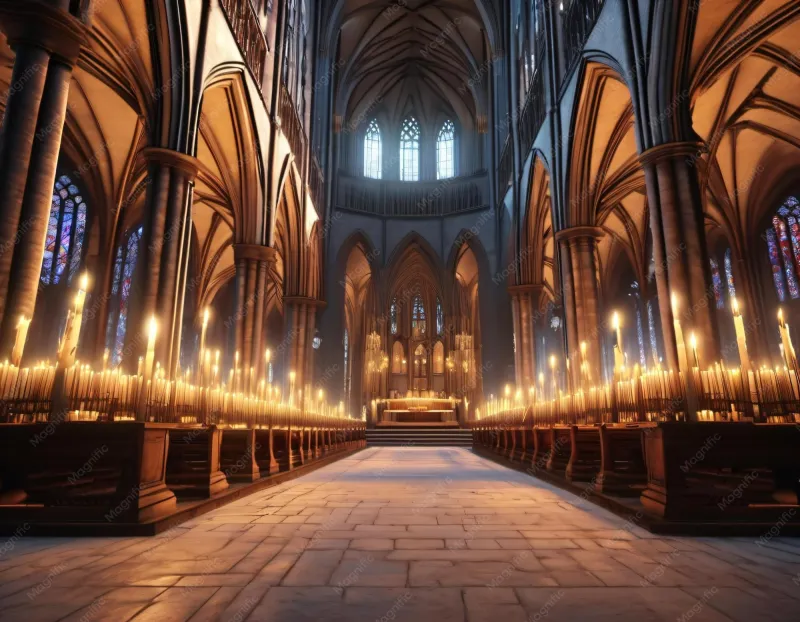
Photo: historic church candlelit concert interior stone arches audience, via img.freepik.com
Every spring, the concert listings fill with the familiar names of the great urban halls, and every spring a quieter season unfolds in the churches, chapels, pumping stations and village rooms where much of Britain's live music actually happens. These are the venues where the building itself is a performer — where stone, timber and Victorian ironwork shape the sound as surely as any player on the platform. Here are five kinds of place worth travelling for this season.
The Abbey That Became an Audience
Dissolved monasteries dot the British landscape, and a surprising number of their churches have found second lives as concert spaces. The proportions are the secret: a monastic nave, built for plainsong, offers a natural reverberation that flatters unaccompanied voices and string quartets alike. Seek out a choral evensong or a candlelit spring recital in one of these buildings, and stand — or sit — beneath the central tower, where the acoustic converges. Palestrina or Tallis in such a space is less a performance than an weather event.
The Cathedral of the Waterworks
The Victorian age built its engineering with ecclesiastical ambition, and nowhere is this clearer than in the great pumping stations and waterworks whose tiled chambers and cast-iron columns possess astonishing resonance. Several now host regular concert seasons; the marriage of industrial grandeur and chamber music is unexpectedly moving. Brass and vocal ensembles thrive in these rooms. Arrive early for the guided tour — the machinery is worth hearing even in silence.
The Village Hall on the Circuit
Every serious touring quartet has a story about a village hall: the modest room with a low ceiling, a temperamental boiler and an acoustic so immediate that the players can hear each other thinking. These halls sit at the heart of Britain's rural music societies, whose spring programmes bring world-class ensembles within reach of the smallest communities. The best seats are any of them — the front row is practically onstage. Buy a ticket for the homemade interval refreshments alone.
The Georgian Assembly Room
The spa towns and county seats of the eighteenth century left behind assembly rooms designed, in part, for music: high ceilings, sash windows, plasterwork that softens rather than swallows the sound. Chamber concerts in these rooms — often run by local trusts with loving attention to the original fittings — offer period-appropriate intimacy for Haydn and Mozart. A seat against the side wall, where the reflections meet, rewards the attentive listener.
The Chapel with a Heart of Oak
Nonconformist chapels, particularly the Welsh and northern examples with their galleries and wooden interiors, were built by congregations who understood singing. The timber absorbs the harshness and leaves warmth; a solo voice in such a room needs no amplification and brooks no disguise. Spring festivals in the chapel towns are among the season's genuine treasures.
A Practical Note
Book early — these venues are small and their societies loyal. Check whether the programme is acoustic or amplified, since it changes where you will want to sit. And bring a coat: heritage buildings warm slowly in April. The reward, in every case, is the same — music heard in a room that has been listening for centuries.