Behind Gilded Curtains: How England's Private Theatricals Revolutionised the Art of Drama
The Drawing Room as Dramatic Laboratory
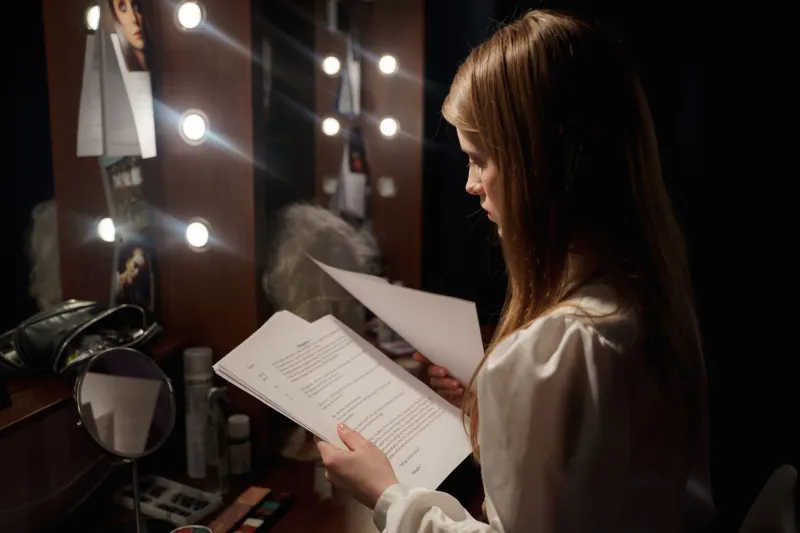
Within the opulent confines of England's grandest houses, a theatrical revolution was quietly unfolding. Far from the public gaze of London's patent theatres, aristocratic families and their guests were experimenting with dramatic forms that would profoundly influence British theatrical tradition. These private theatricals, dismissed by some as mere aristocratic amusement, actually served as crucial laboratories for dramatic innovation, nurturing talent and techniques that would eventually transform the professional stage.
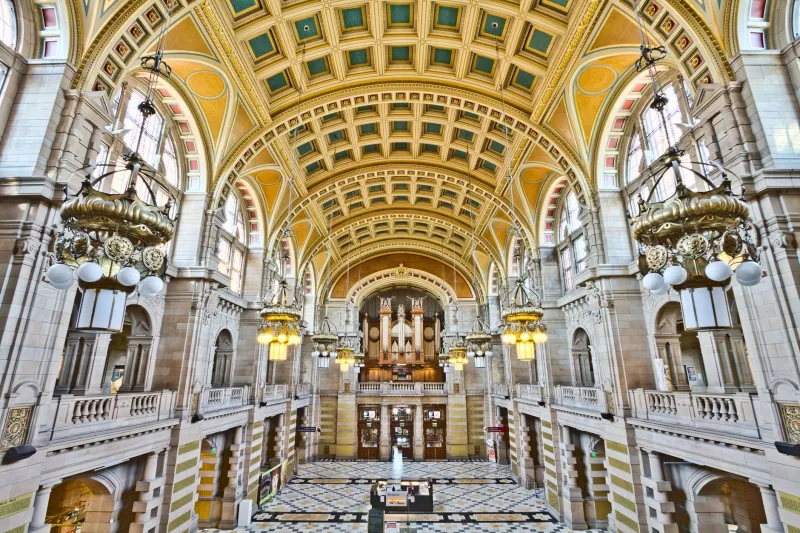
The phenomenon reached its zenith during the late eighteenth and early nineteenth centuries, when country house entertainment evolved from simple recitations into elaborate productions featuring purpose-built stages, professional-quality costumes, and original compositions. What began as fashionable diversion became a serious artistic pursuit that challenged conventional boundaries between amateur and professional performance.
Theatrical Dynasties and Domestic Stages
The Duke of Richmond's theatre at Goodwood House exemplified aristocratic commitment to dramatic excellence. Constructed in the 1790s, this purpose-built playhouse featured a fully equipped stage, orchestra pit, and seating for over one hundred guests. The Duke commissioned original works from established playwrights whilst encouraging household members to develop their dramatic skills through regular performance.
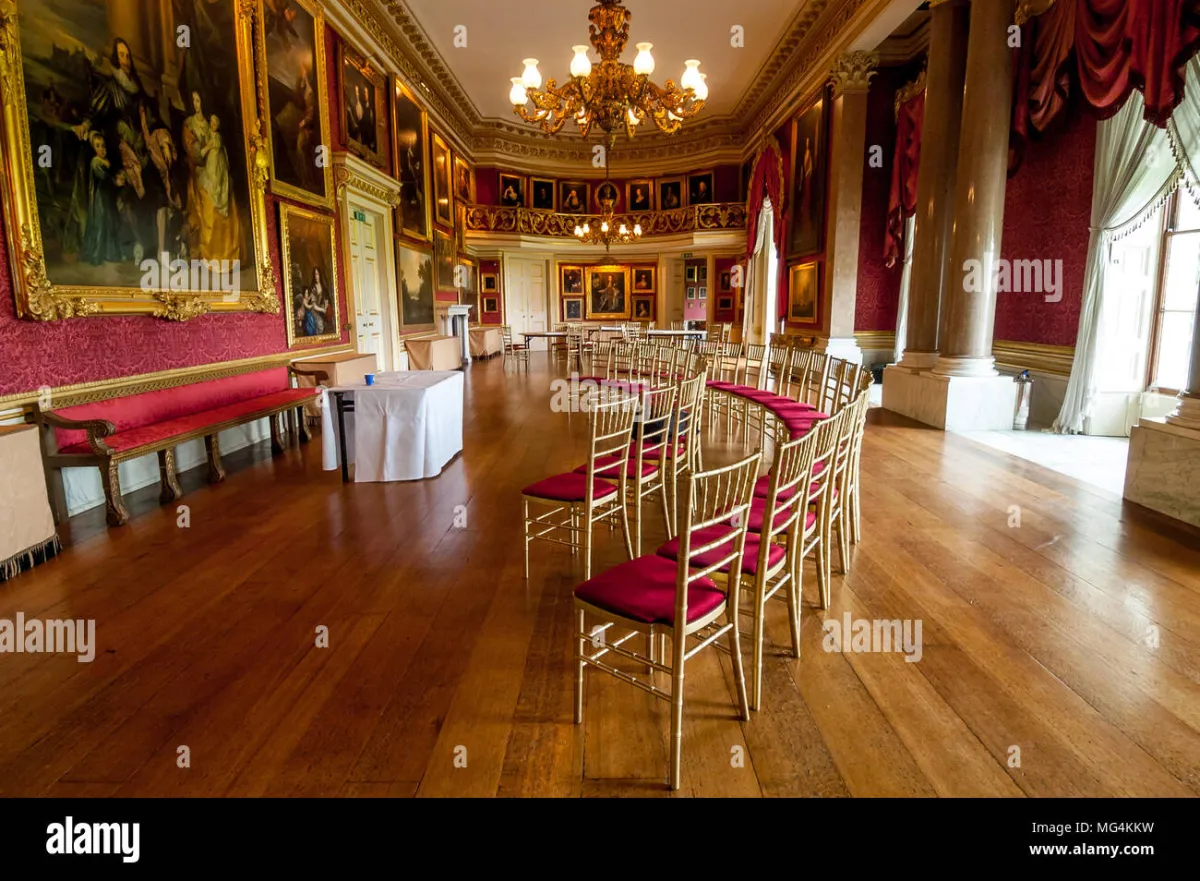 Photo: Goodwood House, via c8.alamy.com
Similarly ambitious was the theatre at Wycombe Abbey, where Lady Dashwood staged elaborate productions that attracted London's theatrical elite. These performances often premiered works that would later transfer to professional stages, establishing country house theatricals as genuine contributors to dramatic literature rather than mere social entertainments.
The Lennox family at Goodwood developed particularly sophisticated productions, with Lady Sarah Lennox writing original comedies that satirised contemporary social conventions. Her plays, performed exclusively within aristocratic circles, offered sharp commentary on marriage, politics, and social mobility that professional theatres dared not present publicly.
The Art of Aristocratic Performance
Private theatricals demanded different skills from their participants than public performance. Intimate settings required subtle acting techniques, whilst familiar audiences encouraged experimental approaches to character interpretation. Performers could take creative risks impossible in commercial theatre, leading to innovative dramatic styles that emphasised psychological realism over theatrical convention.
Lady Hamilton's legendary 'Attitudes' at Sir William Hamilton's Naples residence demonstrated how private performance could transcend traditional dramatic boundaries. Her wordless interpretations of classical poses and emotions influenced both visual art and theatrical technique, inspiring professional performers to incorporate similar elements into their public work.
The constraints of domestic performance also fostered creativity. Limited space encouraged innovative staging solutions, whilst modest technical resources demanded imaginative approaches to spectacle. These limitations often produced more intimate and emotionally powerful performances than elaborate professional productions.
Literary Giants as Household Dramatists
Established writers frequently contributed to private theatrical culture, creating works specifically designed for aristocratic performance. Jane Austen's juvenilia includes several dramatic pieces written for family entertainment, whilst her novels reveal deep understanding of private theatrical culture. The famous Mansfield Park theatricals, where Sir Thomas Bertram's family stages Kotzebue's 'Lovers' Vows', reflect Austen's intimate knowledge of country house dramatic traditions.
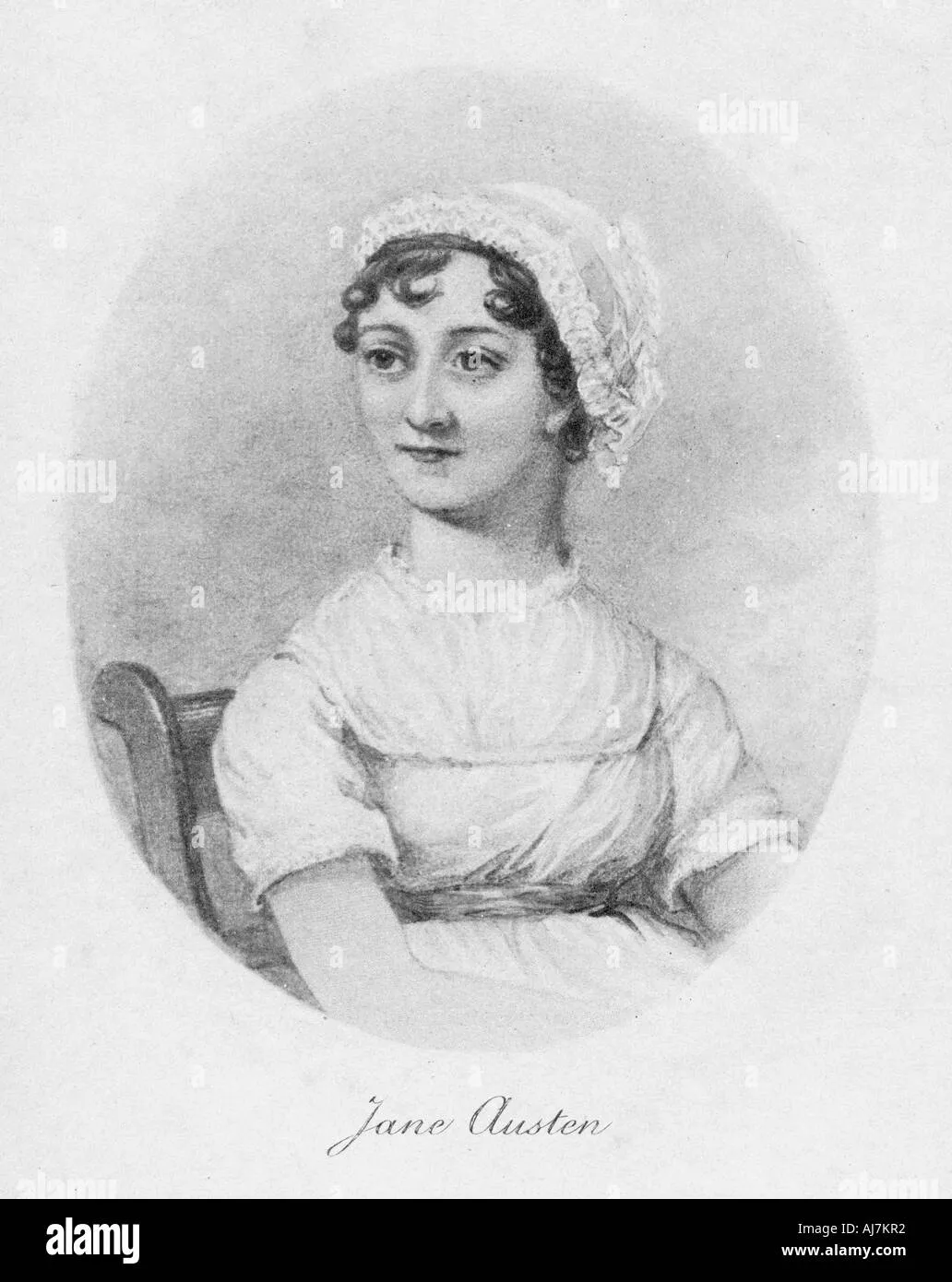 Photo: Jane Austen, via c8.alamy.com
Byron's involvement with private theatricals at various country houses influenced his dramatic poetry, whilst Sheridan's early exposure to aristocratic performance shaped his later professional comedies. These writers understood that private theatricals offered unique opportunities for dramatic experimentation, free from commercial pressures and censorship constraints.
Sir Walter Scott regularly participated in private theatricals at Abbotsford and neighbouring houses, often adapting his own ballads for dramatic presentation. These experiences influenced his historical novels, which frequently employ theatrical techniques learned through amateur performance.
The Female Stage
Private theatricals offered women unprecedented opportunities for dramatic expression within socially acceptable frameworks. Whilst professional actresses faced social stigma, aristocratic ladies could explore complex dramatic roles without compromising their reputations. This freedom produced remarkably sophisticated performances that challenged contemporary assumptions about feminine dramatic capability.
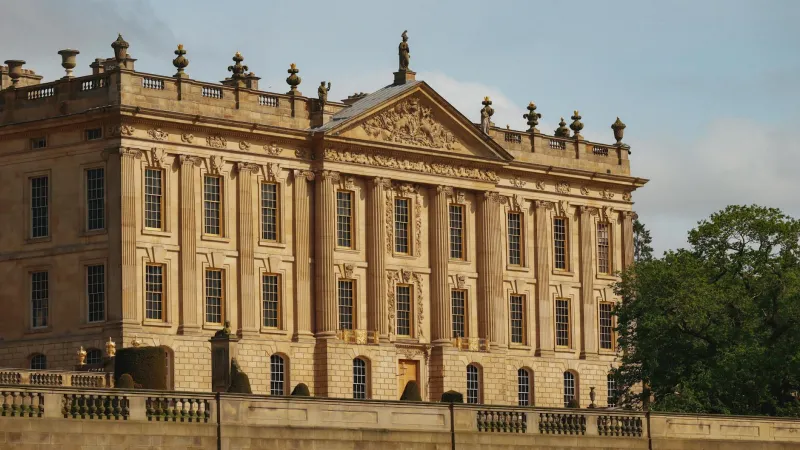
The Duchess of Devonshire's theatrical circle at Chatsworth included some of the period's most accomplished amateur performers. Her productions featured strong female characters and complex emotional situations that professional theatre rarely permitted women to explore. These performances influenced professional actresses who observed private theatrical techniques and incorporated them into public performance.
Frances Burney's dramatic works, many written for private performance, demonstrate how women writers used domestic theatrical culture to experiment with dramatic form and social commentary. Her plays, performed within aristocratic circles, offered perspectives on female experience that commercial theatre could not safely present.
Legacy of the Private Stage
The influence of private theatricals extended far beyond aristocratic drawing rooms. Professional actors frequently attended these performances, learning techniques and observing innovations that they later incorporated into public work. The intimate performance style developed in country houses gradually influenced professional theatre, contributing to the emergence of more naturalistic acting techniques.
Many successful professional plays originated in private theatrical circles. Adaptations and original works premiered in country houses often transferred to London stages, whilst dramatic techniques developed through amateur performance influenced professional staging practices. The cross-pollination between private and professional theatre enriched British dramatic tradition in ways that historians are only beginning to understand.
The educational aspect of private theatricals also proved significant. Young people exposed to sophisticated dramatic culture through country house performance often became lifelong theatre patrons and practitioners. This aristocratic theatrical education helped create the informed audiences that supported professional theatre's golden age.
The Curtain Falls
By the mid-nineteenth century, changing social attitudes and improved professional theatre gradually diminished private theatricals' cultural significance. The rise of middle-class entertainment and expanding commercial theatre reduced aristocratic families' role as cultural innovators. Yet the influence of these intimate performances continued to shape British dramatic tradition.
Today, country houses like Chatsworth and Goodwood preserve remnants of their theatrical past, whilst historical societies work to document and understand this neglected chapter of British cultural history. The private theatricals of England's great houses represent a fascinating intersection of social privilege and artistic innovation that helped define the nation's dramatic character.
These gilded stages, hidden within domestic settings, nurtured theatrical traditions that would eventually transform British drama. Their legacy reminds us that cultural innovation often emerges from unexpected places, and that the most influential artistic developments sometimes occur far from public view, within communities united by shared creative passion rather than commercial necessity.