The Golden Age of Musical Literature
In the gaslit concert halls of Victorian Britain, audiences would settle into their seats clutching more than just their tickets. The concert programme of the era was a work of literary art in itself—a carefully crafted companion that transformed mere listeners into informed participants in the evening's musical journey. These pocket-sized publications, often running to dozens of pages, represented a unique form of cultural writing that has all but vanished from our modern musical landscape.
The programme note was born from necessity. As orchestral music grew increasingly complex throughout the 19th century, audiences needed guidance through the labyrinthine structures of symphonies and the emotional landscapes of tone poems. What emerged was a distinctive literary genre that combined scholarly rigour with accessible prose, creating bridges between the rarefied world of classical composition and the curious minds of concert-goers.
Masters of Musical Prose
The finest programme notes read like miniature essays, complete with historical context, structural analysis, and poetic interpretation. Sir Donald Francis Tovey, the Edinburgh-based musicologist, elevated the form to high art with his analytical programme notes for the Reid Orchestra concerts. His writing possessed a rare combination of technical precision and literary grace, making complex harmonic progressions comprehensible to amateur enthusiasts whilst never condescending to professional musicians in the audience.
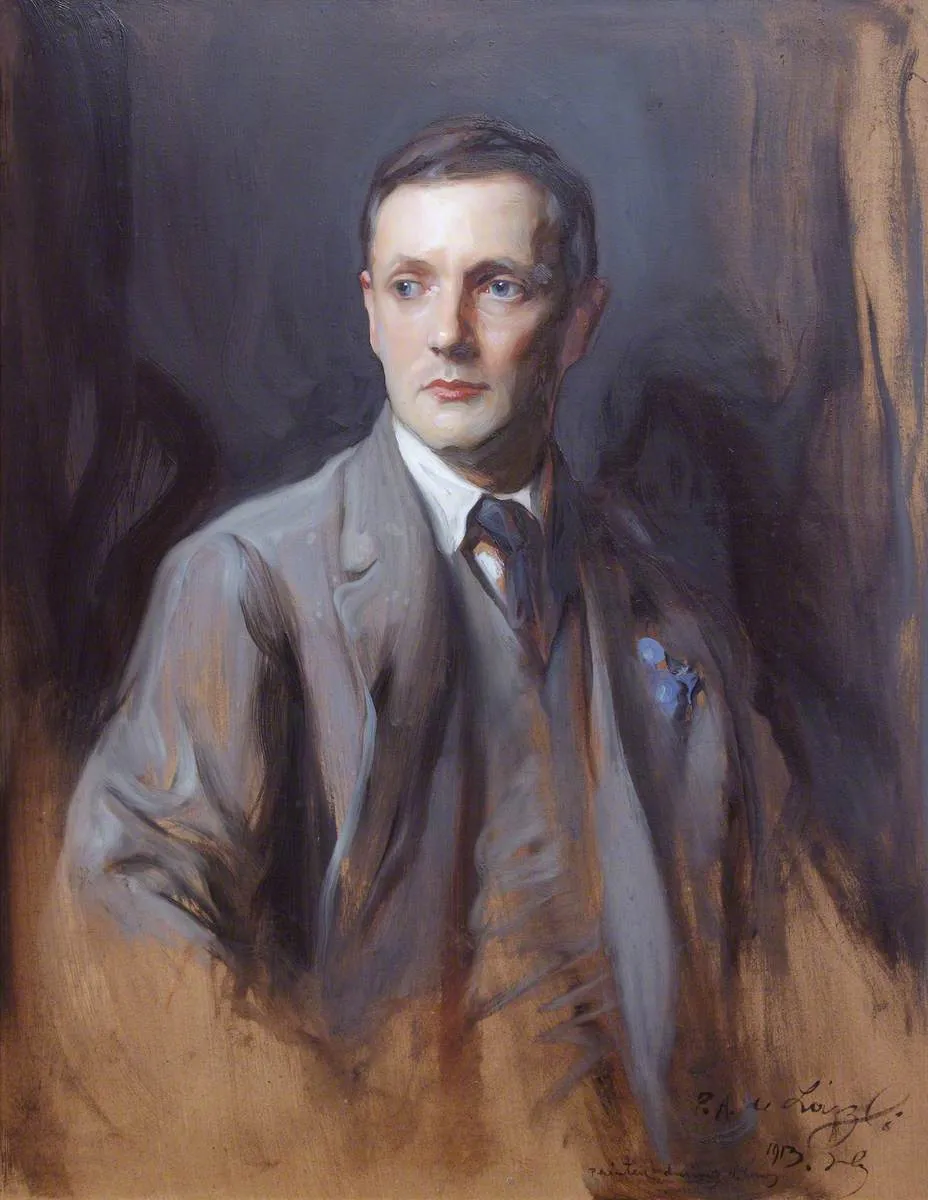 Photo: Sir Donald Francis Tovey, via d3d00swyhr67nd.cloudfront.net
Tovey's approach was revolutionary for its time. Rather than simply listing biographical facts about composers or providing dry technical descriptions, he wove narratives that illuminated the emotional and intellectual journey of each piece. His famous note for Beethoven's Ninth Symphony didn't merely describe the work's structure—it guided readers through the composer's philosophical transformation of Schiller's 'Ode to Joy' into a universal anthem of human brotherhood.
The tradition flourished beyond academic circles. Composers themselves often contributed programme notes, offering intimate insights into their creative processes. Ralph Vaughan Williams wrote extensively about his own works, providing audiences with windows into the English landscapes and folk traditions that inspired his compositions. These first-person accounts created an immediacy and authenticity that modern programme notes, often written by committee or copied from generic databases, rarely achieve.
 Photo: Ralph Vaughan Williams, via img.apmcdn.org
The Art of Musical Storytelling
The most compelling programme notes understood that music tells stories, even when those stories exist beyond the realm of words. Writers like Eric Blom and Neville Cardus—better known for his cricket writing—brought narrative skills to musical analysis, creating prose that was as engaging as the compositions it described. They understood that audiences craved not just information, but transformation—the alchemy that turns abstract sound into meaningful experience.
Consider the programme notes from the Henry Wood Promenade Concerts during their early decades. These weren't mere programme listings but educational manifestos, designed to cultivate a more sophisticated musical public. Wood himself insisted that every work be contextualised, every composer's intentions explored, every musical innovation explained. The result was a generation of concert-goers who arrived at the Royal Albert Hall as students, eager to learn as well as listen.
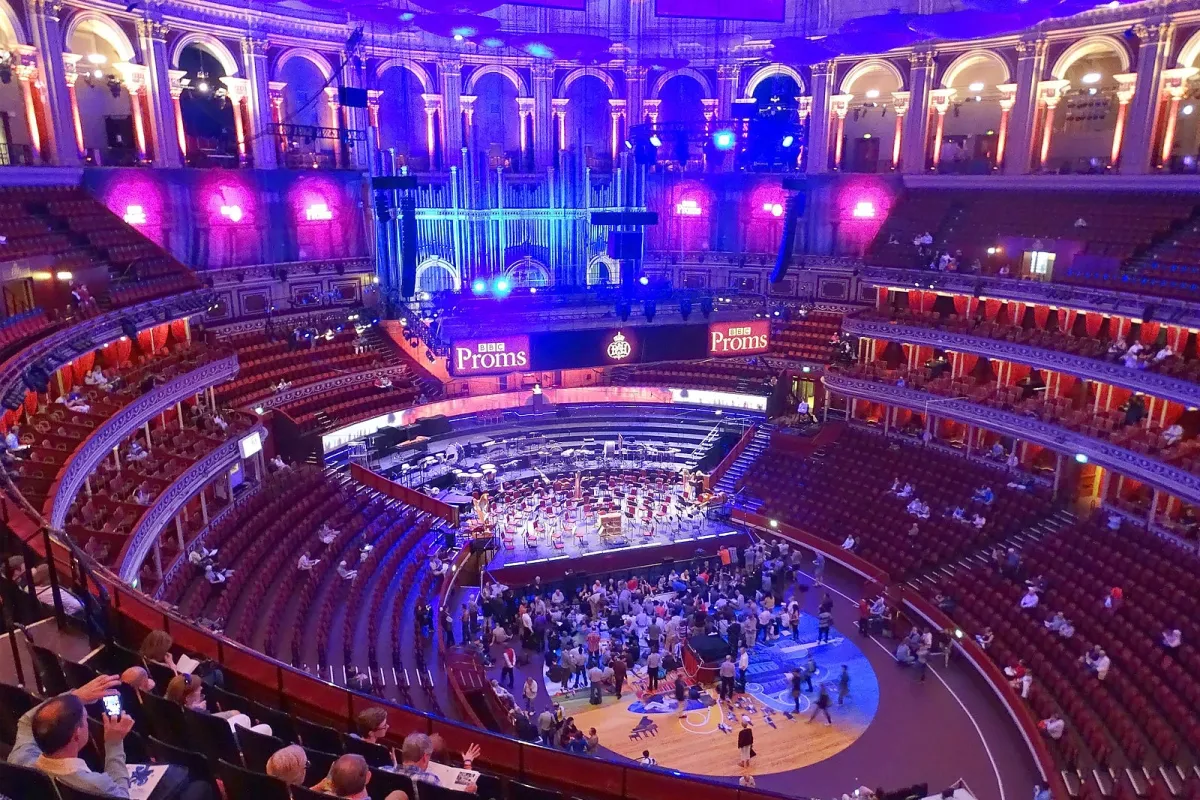 Photo: Royal Albert Hall, via a.cdn-hotels.com
These writers possessed a crucial skill that modern programme annotators often lack: the ability to write for mixed audiences. A single note needed to satisfy both the musical novice seeking basic orientation and the seasoned listener hungry for deeper insights. The best practitioners achieved this through layered writing that revealed different meanings upon multiple readings, much like the musical works they described.
The Decline of a Literary Form
The digital age has not been kind to the programme note. Modern concert programmes, when they exist at all, often contain abbreviated biographies lifted from online databases and generic work descriptions that could apply to any performance, anywhere. The intimate relationship between writer, work, and specific audience has been severed in favour of efficiency and cost reduction.
Yet something precious has been lost in this transition. The programme note at its finest was more than mere information transfer—it was cultural mediation, helping audiences develop the vocabulary and conceptual frameworks necessary for deeper musical appreciation. These writers served as translators between the often hermetic world of classical music and the broader public, democratising access to high culture through the simple act of elegant explanation.
A Case for Revival
The digital revolution, paradoxically, offers new opportunities for the programme note renaissance. Online platforms could accommodate longer, more detailed essays without the space constraints that have cramped modern programmes. Interactive elements could allow readers to explore musical examples while reading about them, creating multimedia experiences that early programme writers could only dream of achieving.
Several British institutions have begun experimenting with revived programme note traditions. The London Symphony Orchestra's recent commissioning of contemporary writers to create programme essays represents a promising development, whilst the BBC Proms has expanded its online programme notes to include longer-form analytical pieces that echo the depth of earlier eras.
The art of the programme note deserves resurrection not as nostalgic antiquarianism, but as a vital tool for cultural engagement. In an age when classical music struggles to maintain relevance with younger audiences, the thoughtful, beautifully written programme note could serve once again as a bridge between the concert hall and the curious mind. The tradition awaits not just revival, but reinvention for a new century of musical discovery.