The Great Silence
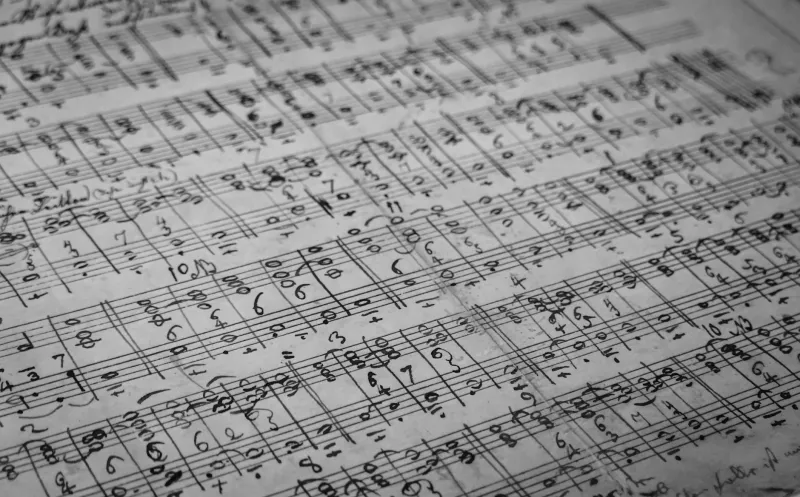
In the basement archives of the Royal College of Music, beneath layers of institutional dust and bureaucratic neglect, lie musical manuscripts that could revolutionise our understanding of British composition. These scores, penned by women whose names barely register in musical history, represent a lost continent of creativity—works of such sophistication and originality that their absence from concert programmes amounts to cultural vandalism.
The statistics are damning. Recent analysis of major British orchestras' programming reveals that works by women composers account for less than two percent of performed repertoire. When one considers that women constituted a significant proportion of trained musicians throughout the nineteenth and early twentieth centuries, this erasure appears not accidental but systematic. Britain has buried its own musical daughters, and in doing so impoverished its cultural inheritance.
Pioneers in Petticoats
Dame Ethel Smyth stands as the most visible survivor of this lost generation, though even her works remain frustratingly absent from mainstream programming. Her Mass in D major, premiered at the Royal Albert Hall in 1893, demonstrated compositional mastery that contemporary critics struggled to reconcile with prevailing assumptions about feminine capability. The Times review, whilst grudgingly positive, noted with surprise that the work showed "none of the sentimentality one might expect from a lady composer."
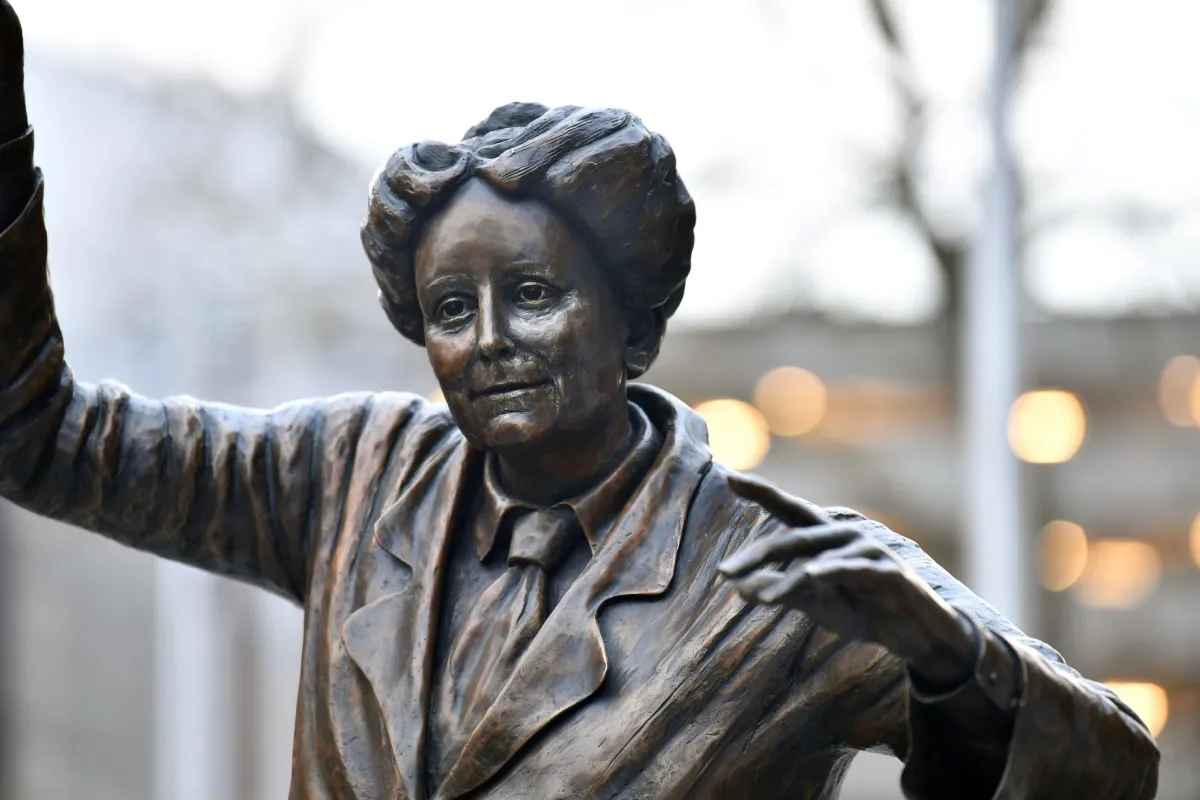 Photo: Dame Ethel Smyth, via i2-prod.getsurrey.co.uk
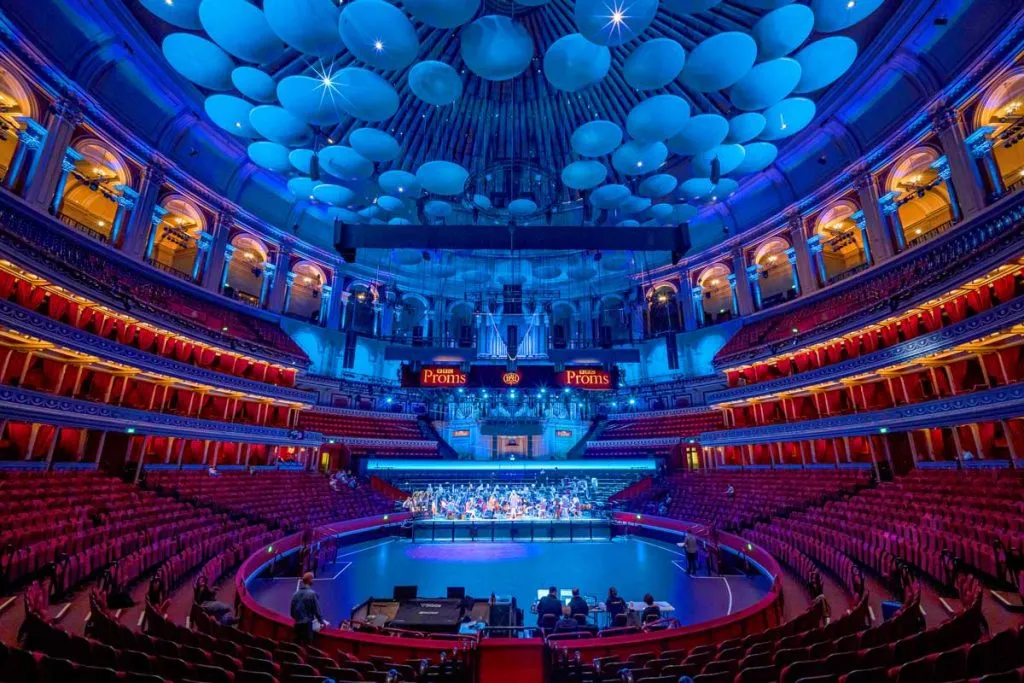 Photo: Royal Albert Hall, via www.fidelity-magazine.com
Smyth's operatic works reveal an artist of formidable ambition and technical skill. "The Wreckers," premiered in Leipzig in 1906, employs sophisticated leitmotific techniques and harmonic innovations that anticipate later developments in British opera. Yet British opera companies consistently overlook this work in favour of endless revivals of more familiar repertoire. The irony is particularly acute given current institutional commitments to diversity and inclusion.
Maude Valerie White represents a different aspect of this buried tradition. Her art songs, published by Boosey & Hawkes to considerable commercial success, demonstrate an intuitive understanding of English prosody that rivals Stanford or Parry. "The Throstle," setting Tennyson's verse with delicate harmonic sophistication, achieved popularity across Europe whilst remaining virtually unknown in contemporary Britain. Her manuscript collection, held at the British Library, reveals a composer of remarkable range and sensitivity.
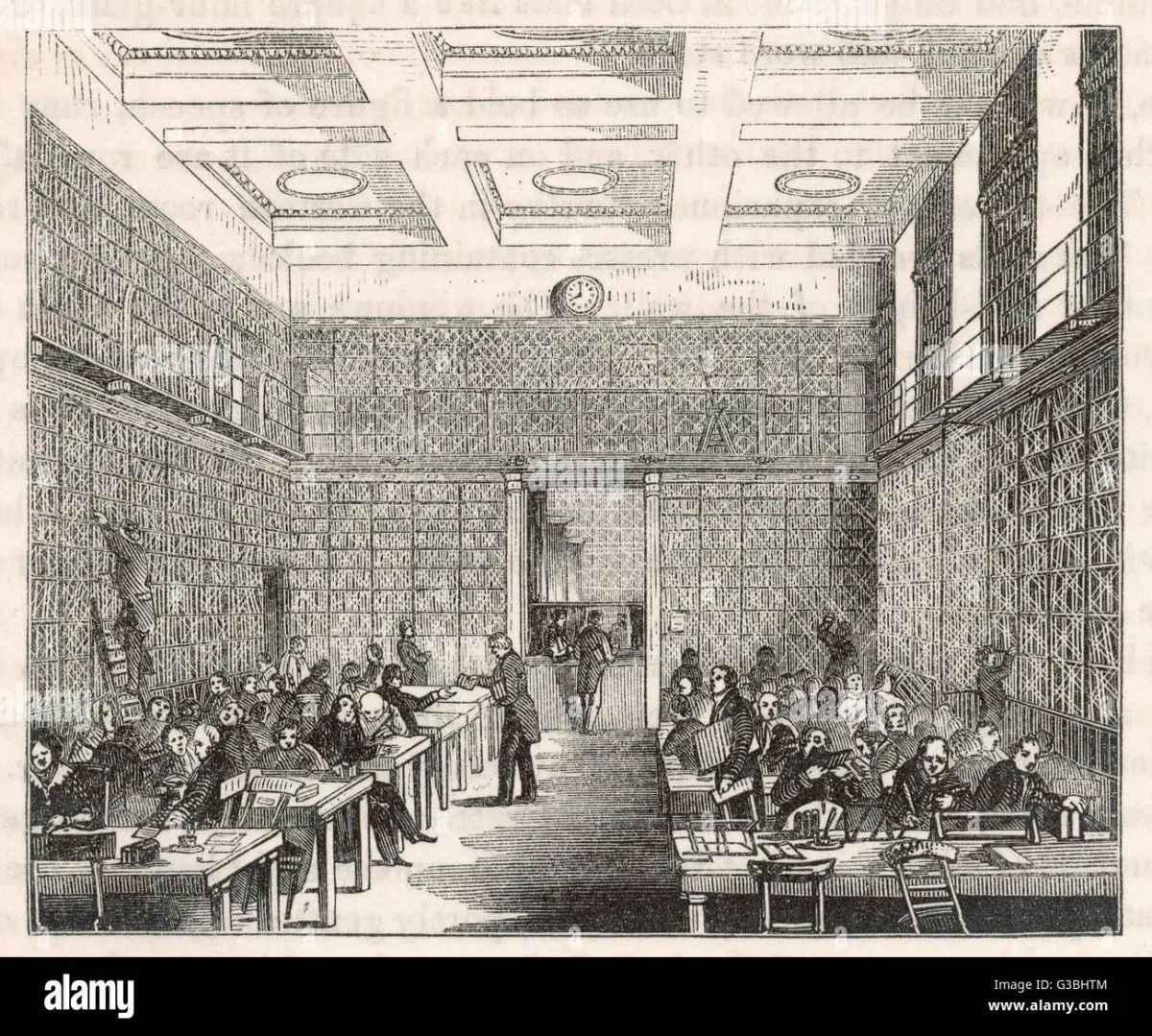 Photo: British Library, via c8.alamy.com
The Institutional Conspiracy
The mechanisms by which these voices were silenced operate at multiple levels of musical culture. Publishing houses, whilst happy to profit from women's compositions during their lifetimes, systematically excluded them from prestigious collected editions. The Oxford History of Music, compiled in the early twentieth century, mentions no British women composers despite their documented presence in musical life.
Conservatory training, whilst theoretically open to women, operated according to assumptions about appropriate feminine musical expression. Women were encouraged toward song composition and piano miniatures—genres subsequently dismissed as lightweight by male-dominated musicological establishment. The circular logic is breathtaking: women were channelled toward particular forms, then those forms were deemed insufficiently serious to warrant scholarly attention.
The BBC's role in this erasure deserves particular scrutiny. Early broadcasting schedules reveal occasional performances of works by women composers, but these gradually disappeared as programming became more conservative. The Corporation's influential music department, dominated by figures like Adrian Boult and Malcolm Sargent, operated according to rigid canonic assumptions that effectively excluded women's contributions.
Archaeological Excavation
Dr. Sophie Fuller's groundbreaking research at the Royal College of Music has begun the painstaking work of musical archaeology necessary to recover these lost voices. Her catalogue of British women composers active between 1850 and 1950 runs to over 400 names, many of whom left substantial bodies of work. The challenge lies not in locating manuscripts—they exist in abundance—but in convincing performers and programmers of their artistic value.
The Lontano ensemble, under Odaline de la Martinez's direction, has pioneered the performance of rediscovered works by British women composers. Their recordings reveal music of startling freshness and invention—Rebecca Clarke's viola sonata, written in 1919, employs harmonic language that anticipates Bartók whilst maintaining distinctly British characteristics. These performances demonstrate that the absence of women's works from concert programmes reflects programming conservatism rather than artistic inadequacy.
Digitisation projects have accelerated the recovery process. The British Library's recent initiative to scan and catalogue women composers' manuscripts has revealed works of unexpected ambition and sophistication. Grace Williams's symphonic works, largely ignored during her lifetime, demonstrate mastery of large-scale form that challenges assumptions about Welsh musical development. Her First Symphony, premiered by the BBC Welsh Orchestra in 1943, deserves comparison with contemporaneous works by Walton or Bax.
Modern Champions
A new generation of musicians and scholars has embraced the challenge of restoration. The soprano Ruby Hughes has made British women's songs a speciality, programming works by White, Smyth, and lesser-known figures alongside established repertoire. Her approach demonstrates that these works need not be presented as historical curiosities but as living music worthy of serious artistic attention.
The pianist Clare Hammond's recent recording project, "Eternity's Sunrise," features piano works by British women composers spanning two centuries. The disc reveals extraordinary diversity of style and approach, from the classical elegance of Maria Hester Park to the modernist experiments of Elizabeth Maconchy. Hammond's performances demonstrate that technical and interpretive challenges posed by this repertoire match anything in the established canon.
Conductors like Jessica Cottis and Elim Chan have begun incorporating rediscovered works into mainstream programming. Their approach avoids the ghetto of "women composers' concerts" in favour of integration within regular seasons. This strategy proves more effective in establishing these works within standard repertoire.
The Sound of Silence
The systematic exclusion of women's voices from British musical heritage represents more than historical injustice—it impoverishes contemporary musical culture. These composers developed distinctive approaches to harmony, form, and expression that could enrich and diversify current programming. Their absence creates artificial uniformity in concert programmes that ill-serves audiences seeking musical discovery.
The commercial argument for inclusion grows stronger as audiences seek alternatives to over-familiar repertoire. Recent box office analysis suggests that programmes featuring unfamiliar works by women composers often outperform traditional programming, particularly among younger demographics. Cultural institutions committed to relevance and accessibility might profitably examine their programming assumptions.
Resurrection and Recognition
The recovery of Britain's lost women composers requires coordinated effort across multiple institutions. Music colleges must incorporate these works into curricula, ensuring that future musicians encounter this repertoire during training. Publishers must make practical editions available, whilst recording companies should document significant works for posterity.
Most importantly, concert programmers must abandon the assumption that audience conservatism demands endless repetition of familiar repertoire. The success of period instrument movements demonstrates audience appetite for musical rediscovery when presented with conviction and scholarship. Britain's buried women composers offer similar opportunities for revelation and surprise.
The manuscripts wait patiently in their archives, bearing witness to creativity that institutional prejudice could silence but never destroy. Their resurrection represents not merely historical correction but artistic opportunity—the chance to hear familiar musical periods through fresh ears, and to discover that Britain's musical heritage is far richer and more diverse than conventional wisdom suggests. The silence has lasted long enough.