The Eternal Muse
William Shakespeare died in 1616, yet his creative afterlife in British classical music continues to flourish four centuries later. While audiences readily recognise the theatrical legacy of Hamlet and King Lear, fewer realise that the Bard has inspired an equally rich musical tradition that spans from Purcell's 17th-century incidental music to Thomas Adès' contemporary operas. This hidden symphony of Shakespearean works represents one of the most enduring creative partnerships in British cultural history.
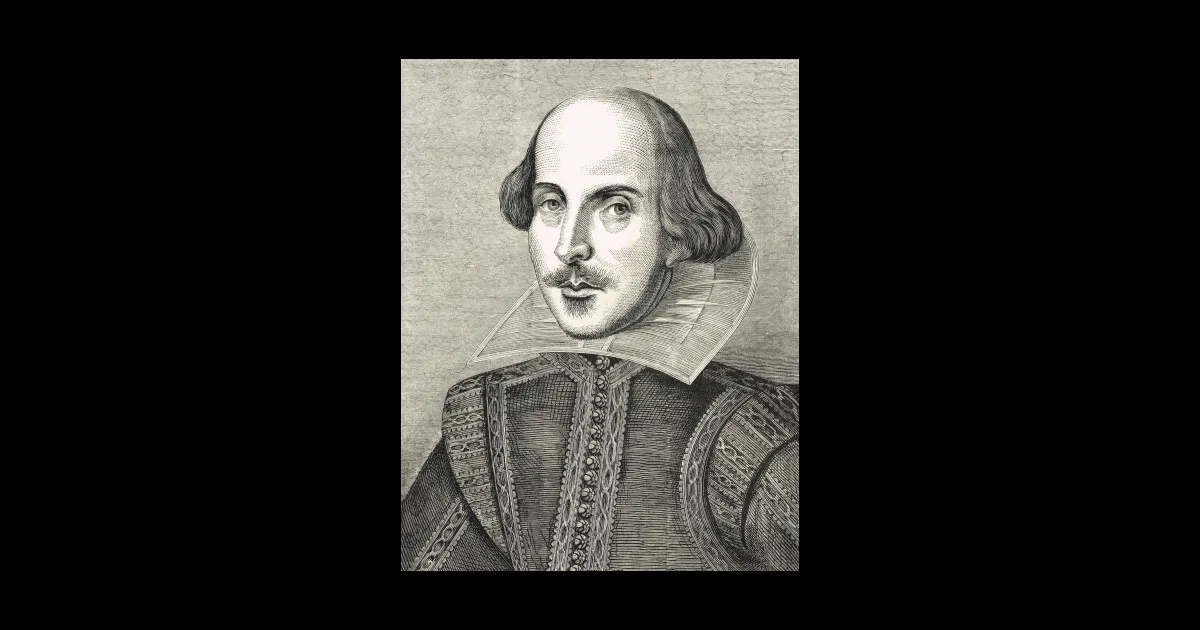 Photo: William Shakespeare, via res.cloudinary.com
The relationship between Shakespeare and music was symbiotic from the beginning. The original productions of his plays featured extensive musical interludes, songs, and instrumental accompaniments that were integral to their dramatic impact. When later composers began mining his works for inspiration, they weren't imposing an alien art form upon literary texts—they were returning music to its rightful place within Shakespeare's dramatic universe.
The Pioneer Generation
Henry Purcell established the template for musical Shakespeare adaptation with his incidental music for The Tempest and A Midsummer Night's Dream. His approach was revolutionary: rather than simply providing background accompaniment, Purcell created musical characters that paralleled Shakespeare's dramatic personae. His fairy music for A Midsummer Night's Dream established a sonic vocabulary for the supernatural that influenced British composers for generations.
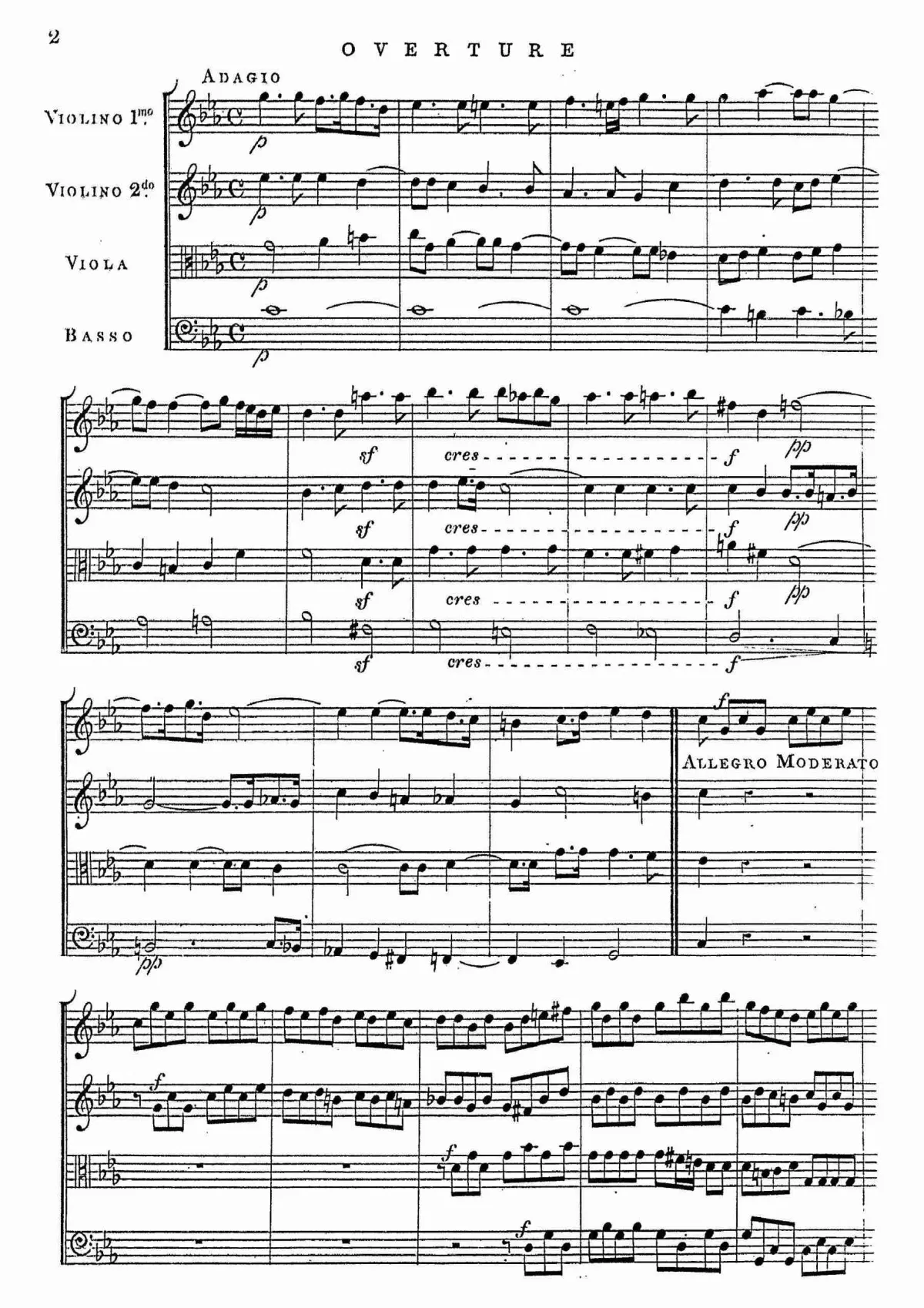 Photo: Henry Purcell, via www.musicprinting.co.uk
The 18th century saw the emergence of full-scale Shakespearean operas, though many took considerable liberties with their source material. Thomas Arne's The Tempest transformed Shakespeare's philosophical romance into a crowd-pleasing entertainment, complete with additional comic characters and spectacular stage effects. While purists might object to such adaptations, they served a crucial cultural function: keeping Shakespeare's stories alive in musical form when the original plays were often heavily cut or bowdlerised for contemporary audiences.
The Romantic Revolution
The Romantic movement discovered in Shakespeare a kindred spirit, and British composers responded with some of their finest work. Felix Mendelssohn's A Midsummer Night's Dream overture, though composed by a German, premiered in London and became a cornerstone of British concert programming. Its success inspired a generation of British composers to attempt their own Shakespearean tone poems and overtures.
Sir Arthur Sullivan, before his partnership with Gilbert made him famous for operetta, composed incidental music for The Tempest that revealed his serious compositical aspirations. His musical portrayal of Prospero's magic and Ariel's ethereal presence demonstrated how Shakespeare's supernatural elements could inspire distinctly musical effects impossible to achieve through words alone. The work's premiere at the Crystal Palace in 1862 established Sullivan as a composer of substance, not merely popular entertainment.
 Photo: Crystal Palace, via static0.givemesportimages.com
Edward Elgar found in Shakespeare a source for some of his most personal utterances. His Falstaff symphonic study represents one of the finest character portraits in British orchestral music, capturing not just the knight's bluster and comedy, but also the underlying melancholy that makes the character tragically human. Elgar's ability to find musical equivalents for Shakespeare's psychological complexity marked a new sophistication in literary-musical adaptation.
The Modern Masters
The 20th century brought new approaches to Shakespearean adaptation. Ralph Vaughan Williams' Serenade to Music set the Bard's words to distinctly English musical idioms, creating a work that seemed to emerge from the same landscape that produced both composer and playwright. The piece's premiere in 1938, featuring sixteen of Britain's finest singers, represented a pinnacle of collaborative artistry that honoured both musical and literary traditions.
Benjamin Britten's relationship with Shakespeare was more complex and ultimately more radical. His A Midsummer Night's Dream opera didn't simply set Shakespeare's text to music—it reimagined the play's structure and emphasis through musical means. Britten's decision to cast a countertenor as Oberon created an otherworldly sonic effect that no theatrical production could match, whilst his treatment of the mechanicals' play-within-a-play became a meditation on the relationship between high and popular art.
The opera's success demonstrated that Shakespeare adaptation could be more than nostalgic pastiche. By taking the Bard's dramatic structures seriously while asserting music's unique expressive capabilities, Britten created a work that enhanced rather than diminished its literary source.
Contemporary Voices
Contemporary British composers continue to find fresh inspiration in Shakespeare's inexhaustible dramatic universe. Thomas Adès' The Tempest opera, premiered at Covent Garden in 2004, employed cutting-edge musical techniques to explore the play's themes of power, forgiveness, and transformation. His use of electronic elements and extended vocal techniques created soundscapes that seemed to emerge from Prospero's own magical practices.
Sally Beamish's chamber works based on Shakespeare texts demonstrate how contemporary composers can find intimate musical possibilities within the Bard's grand dramatic gestures. Her song cycles transform Shakespeare's sonnets into personal meditations that speak directly to modern audiences whilst respecting the formal elegance of their sources.
The Hidden Canon
What emerges from this survey is recognition of a parallel Shakespeare canon that exists in purely musical form. These works don't merely illustrate or accompany the plays—they offer independent artistic statements that engage with Shakespeare's themes through music's unique expressive capabilities. The best Shakespearean music achieves what all successful adaptation must: it honours its source while asserting its own artistic validity.
For contemporary audiences, this musical Shakespeare offers fresh ways of engaging with familiar stories. Elgar's Falstaff reveals aspects of the character that might be missed in theatrical performance, whilst Britten's Midsummer Night's Dream creates dramatic effects impossible on any stage. These works don't replace their literary sources—they extend and enrich them.
The continuing vitality of Shakespeare in British classical music suggests something profound about the relationship between these art forms. Both deal in the transformation of raw human experience into structured artistic expression. Both require performers to interpret and reimagine their creators' intentions for new audiences. Both depend upon the mysterious alchemy that transforms organised sound—whether spoken or sung—into meaning that transcends its immediate context.
As long as composers continue to grapple with the fundamental human experiences that Shakespeare explored—love, power, mortality, forgiveness—his works will continue to inspire musical responses. The Bard's hidden symphony plays on, creating new harmonies from age-old themes.