The Private Courts of Musical England
Long before the concert hall became the temple of classical music, Britain's great houses served as the beating heart of the nation's musical life. Within the panelled music rooms of Chatsworth, the soaring galleries of Blenheim, and the intimate chambers of Knole, a parallel musical universe flourished—one where aristocratic patronage, architectural acoustics, and social ambition combined to create some of the most significant moments in British cultural history.
These were not merely venues for entertainment, but laboratories of musical innovation where composers tested new works, performers honed their craft, and the very notion of British musical identity took shape. The legacy of this private musical culture continues to resonate today, as a new generation of country house owners rediscover the acoustic potential of their ancestral homes.
The Architecture of Musical Ambition
The great houses of Britain were designed with music in mind from their very conception. At Chatsworth, the 1st Duke of Devonshire's rebuilding programme in the 1690s included a music room specifically engineered for acoustic perfection. The proportions—a double cube with a barrel-vaulted ceiling—created natural reverberation that enhanced string instruments whilst maintaining clarity for vocal music. Contemporary accounts describe how the room's limestone walls and polished oak floors produced a distinctive sonic signature that composers learned to exploit.
Blenheim Palace's Great Hall served a different musical function, its soaring height and stone construction creating cathedral-like acoustics perfect for ceremonial music. Handel himself composed works specifically for this space, understanding how the room's architecture would shape the listener's experience. The famous echo effects, caused by sound reflection from the painted ceiling, were incorporated into compositional structures that seem puzzling on paper but make perfect sense within the hall's acoustic environment.
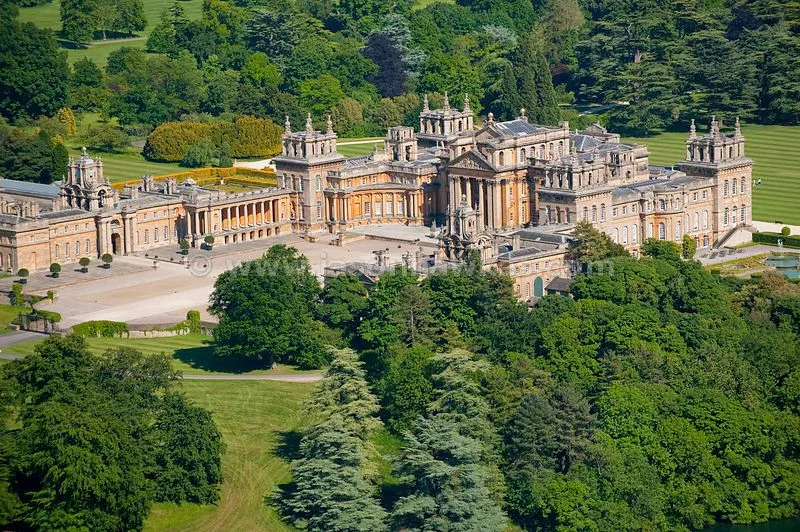 Photo: Blenheim Palace, via i.pinimg.com
The music room at Holkham Hall, designed by William Kent in the 1740s, represents the pinnacle of Georgian acoustic engineering. The room's elliptical shape and carefully calculated proportions create what modern acousticians recognise as near-perfect conditions for chamber music. The Earl of Leicester's musical soirées, featuring works by C.P.E. Bach and other continental masters, established performance traditions that influenced British musical taste for generations.
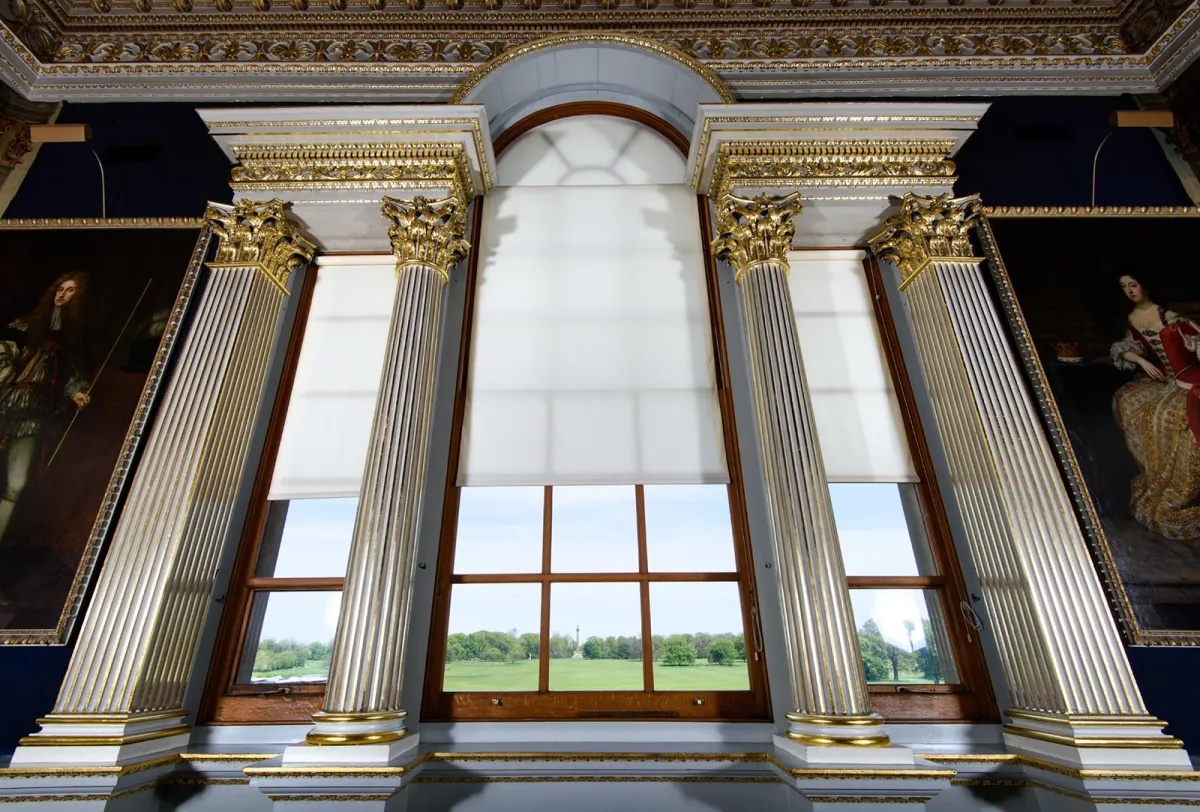 Photo: Holkham Hall, via www.rupertcoke.com
Composers in Residence
The tradition of housing composers within aristocratic establishments created unique conditions for musical development. Handel's extended stays at Burlington House during the 1720s produced some of his most innovative English works, including the Chandos Anthems written for the Duke of Chandos's private chapel at Cannons. The intimate setting allowed for experimental approaches to text-setting and instrumental colour that would have been impossible in public venues.
Haydn's visits to Eszterháza inspired British aristocrats to establish similar musical establishments. The Duke of York's private orchestra at Oatlands Park, whilst short-lived, commissioned works from J.C. Bach and other leading composers. These pieces, written for specific acoustic conditions and instrumental combinations, represent a lost repertoire of extraordinary sophistication.
The tradition continued into the nineteenth century with figures like Felix Mendelssohn, who spent extended periods at various country houses whilst developing his understanding of British musical culture. His Scottish Symphony bears the direct influence of his stays at Scottish estates, where he absorbed both landscape and local musical traditions.
The Social Orchestra
Country house musical life operated according to complex social hierarchies that shaped both repertoire and performance practice. At Wentworth Woodhouse, the Marquess of Rockingham's musical establishment included both professional musicians and talented amateurs from the local gentry. This mixing of social classes created unique performance conditions where technical excellence combined with intimate knowledge of audience preferences.
The household orchestras of great estates often included servants trained in musical performance alongside visiting professionals. This created distinctive ensemble sounds that influenced compositional practice throughout the eighteenth century. Works written for these mixed groups required careful attention to technical limitations whilst exploiting the particular strengths of amateur performers.
Women played crucial roles in country house musical culture, often serving as keyboard accompanists, singers, and even composers. The musical education of aristocratic daughters was taken seriously, with many houses maintaining extensive music libraries and employing distinguished teachers. The Countess of Pembroke's compositions, performed in the music room at Wilton House, demonstrate the sophisticated musical culture that flourished within these private settings.
Instruments as Status Symbols
The great houses competed not only in architectural splendour but in the magnificence of their instrument collections. The harpsichords at Fenton House, whilst now a National Trust property, represent the kind of instruments that would have graced the finest music rooms. These weren't merely functional objects but statements of cultural sophistication, often decorated by leading artists and crafted by the most skilled instrument makers.
The organ at Blenheim, installed in the 1890s, demonstrates how country houses adapted to changing musical fashions whilst maintaining their role as centres of musical excellence. The instrument's specification reflects both liturgical requirements for the palace chapel and secular needs for entertaining, creating unique tonal possibilities that influenced British organ building.
String instruments received particular attention, with many houses maintaining collections of violins, violas, and cellos for visiting musicians. The Stradivarius instruments at Chatsworth, whilst now primarily displayed as art objects, were originally working tools used in the house's regular musical performances.
The Modern Renaissance
Contemporary country house owners have begun rediscovering their properties' musical potential, creating new opportunities for performance and education. Garsington Opera's relocation to Wormsley demonstrates how historic settings can enhance rather than constrain artistic ambition. The opera house, designed to complement the existing landscape, creates acoustic conditions that rival purpose-built venues whilst maintaining the intimate scale that characterised historic country house performance.
Chatsworth's recent concert series has explored the acoustic possibilities of various rooms within the house, programming works that respond to specific architectural conditions. The success of these events demonstrates continued appetite for the kind of immersive musical experience that country houses uniquely provide.
The revival extends beyond grand public events to educational programmes that recreate historical performance practices. Young musicians studying at institutions like the Royal College of Music now have opportunities to experience music-making in the conditions for which much eighteenth-century repertoire was originally conceived.
Heritage and Innovation
The relationship between Britain's architectural heritage and musical culture represents more than historical curiosity—it offers models for contemporary cultural development. The success of festivals like those at Petworth and Newbury Spring demonstrates that audiences value the enhanced context that historic settings provide. These events don't simply use grand houses as attractive backdrops but explore the deep connections between architecture, acoustics, and musical meaning.
Modern recording techniques have begun documenting the unique acoustic signatures of historic music rooms, creating archives that preserve these spaces' sonic characteristics for future study. Projects like the Ambient Church Recording series demonstrate how historic spaces continue to influence contemporary musical creation.
The Sound of Privilege
The musical culture of Britain's great houses reflected and reinforced social hierarchies that modern sensibilities find problematic. Yet the artistic achievements that emerged from this system—the compositions, performance traditions, and aesthetic innovations—transcend their origins to become part of our shared cultural heritage. Understanding this history enriches rather than diminishes our appreciation of the music itself.
The challenge for contemporary cultural institutions lies in preserving and celebrating this heritage whilst acknowledging its exclusionary origins. The democratisation of country house musical culture through National Trust concerts and educational programmes represents one approach to this challenge, making previously private cultural experiences accessible to broader audiences.
As Britain's great houses continue their evolution from private residences to cultural institutions, their musical heritage offers valuable lessons about the relationship between place, performance, and artistic meaning. The rooms that once echoed with Handel's harpsichord and Haydn's symphonies continue to shape musical experience, reminding us that great art emerges not just from individual genius but from the cultural ecosystems that nurture and sustain creative expression.