The Drawing Room as Cultural Crucible
Every Thursday evening throughout the 1780s, London's literary and musical elite would ascend the marble steps of Elizabeth Montagu's grand Portman Square mansion. In her opulent drawing rooms, Samuel Johnson might be found debating poetry with Hannah More whilst Maria Cosway performed Mozart at the pianoforte. This was the golden age of Britain's salon culture—an era when the boundaries between literary and musical excellence dissolved entirely.
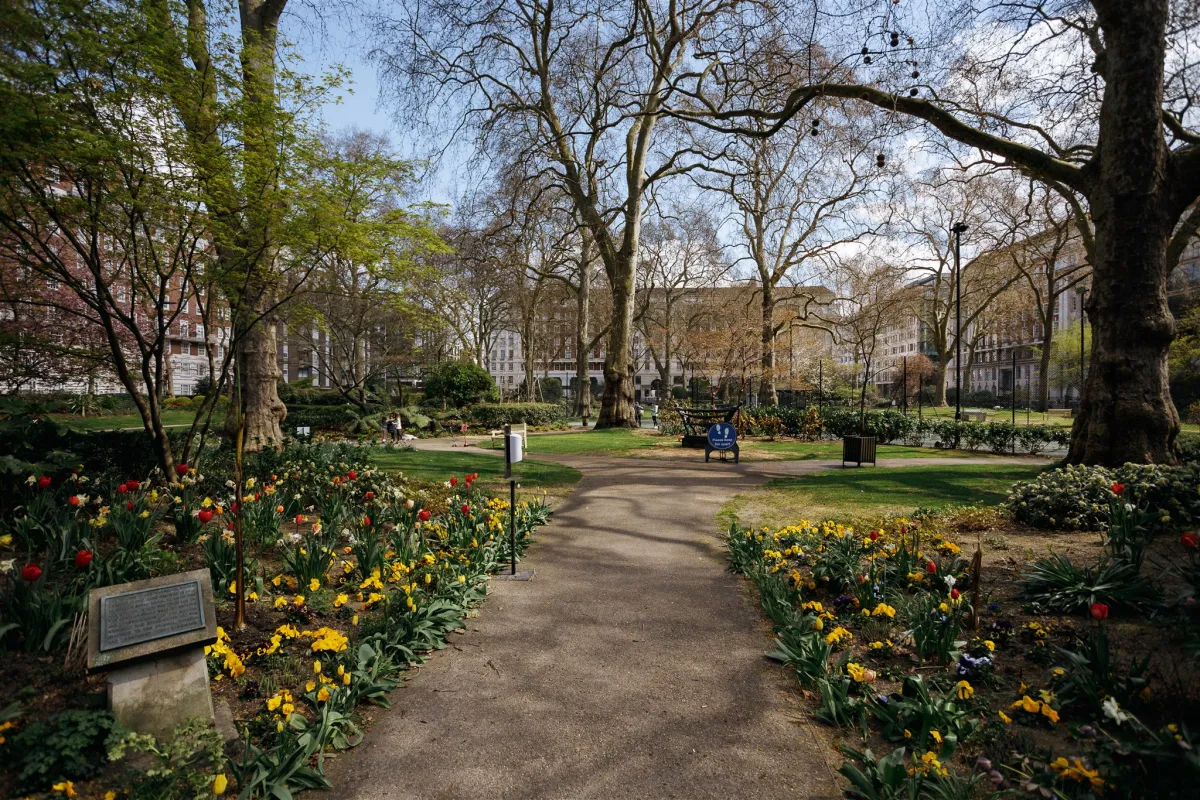 Photo: Portman Square, via www.portmanmarylebone.com
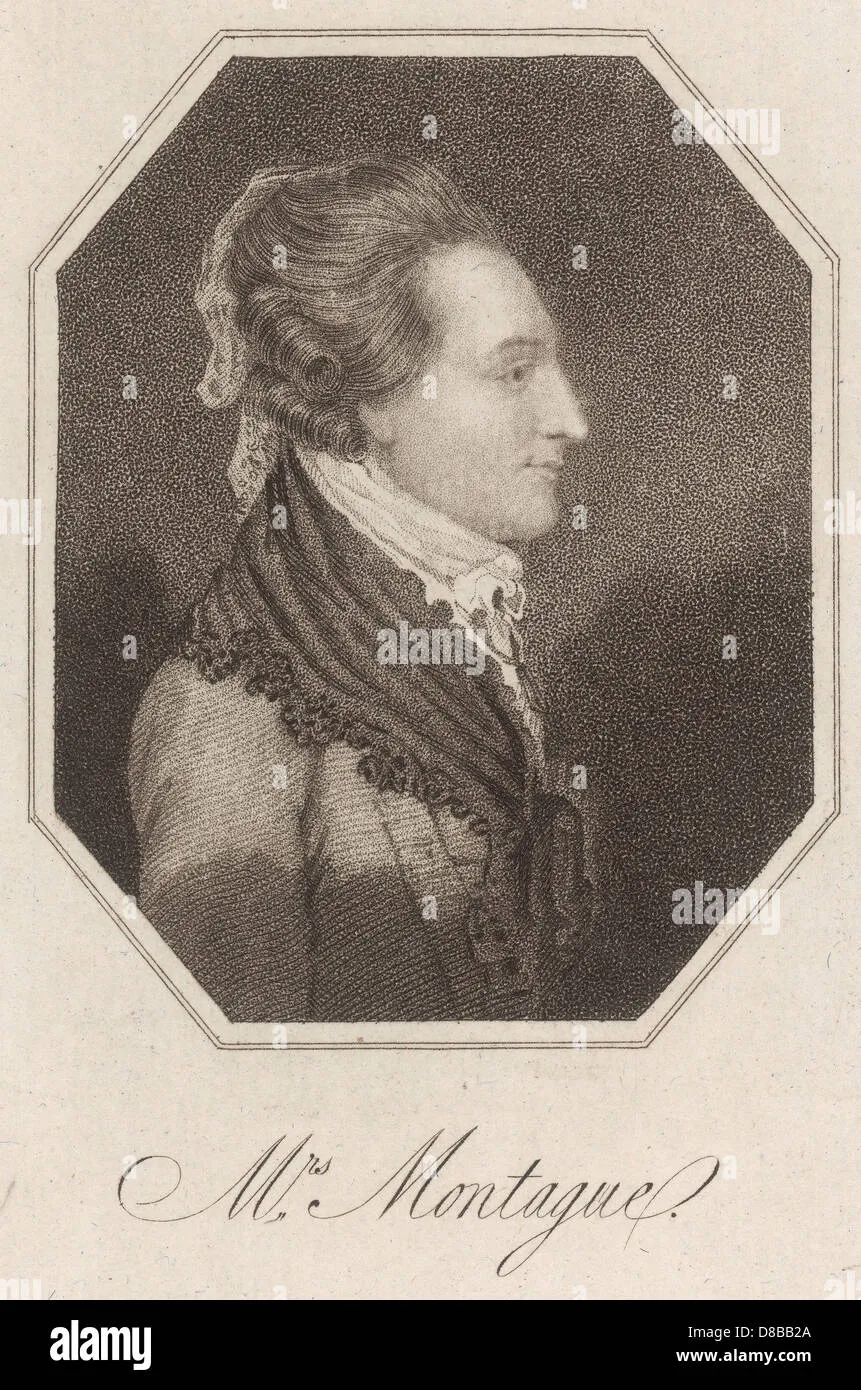 Photo: Elizabeth Montagu, via c8.alamy.com
These intimate gatherings represented far more than mere social entertainment. They constituted the beating heart of British intellectual life, spaces where artistic disciplines cross-pollinated with extraordinary results. The salon tradition, imported from France but uniquely adapted to British sensibilities, created an environment where conversation was elevated to an art form and where musical performance served as both accompaniment and inspiration to literary discourse.
The Architects of Influence
The success of Britain's salon culture rested largely upon the vision and energy of remarkable women who recognised the power of bringing diverse talents together under one roof. Elizabeth Montagu, dubbed the "Queen of the Blue Stockings," established the template that others would follow for generations. Her gatherings were carefully orchestrated affairs where the evening's entertainment might seamlessly transition from philosophical debate to musical performance to poetry recitation.
Lady Marguerite Blessington continued this tradition well into the Victorian era from her Gore House salon, where she hosted an extraordinary array of talent. Charles Dickens would read from his latest work whilst Chopin provided musical interludes, and the young Disraeli honed his oratorical skills in preparation for his political career. These women possessed an intuitive understanding of cultural chemistry—knowing precisely which combinations of personalities and talents would produce the most stimulating results.
 Photo: Gore House, via gorehouseproductions.com
The salonnières wielded considerable influence over British taste and opinion. Their endorsement could launch literary careers, whilst their disapproval might consign promising works to obscurity. They served as unofficial cultural arbiters, shaping public opinion through the careful cultivation of their guest lists and the subtle direction of conversation.
The Art of Orchestrated Spontaneity
The most successful salons achieved a delicate balance between structure and spontaneity. Hostesses would carefully plan the evening's participants whilst creating an atmosphere that encouraged unexpected collaborations. A typical evening might begin with formal introductions over tea, progress to musical performances during dinner, and culminate in animated discussions that continued well past midnight.
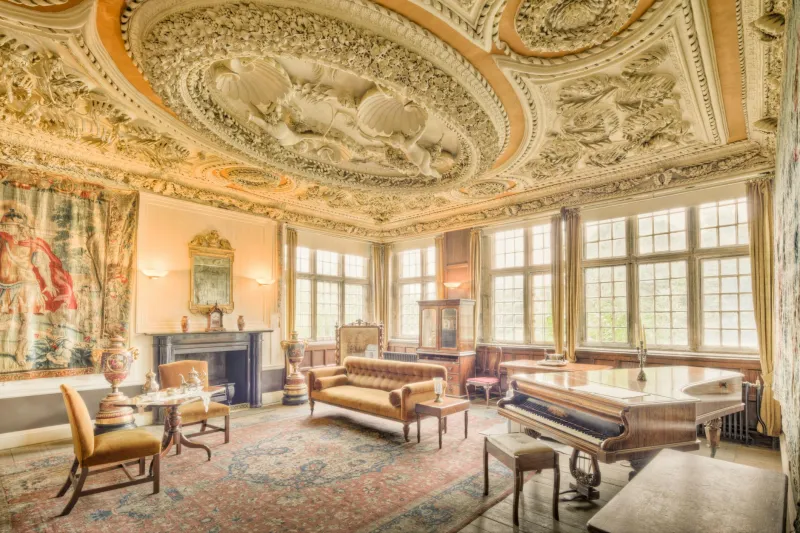
The physical spaces themselves were designed to facilitate this cultural alchemy. Drawing rooms were arranged to accommodate both intimate conversation and public performance, with pianofortes positioned to allow musicians to engage with their audience rather than merely entertain them. The architecture of these spaces reflected their dual purpose as private homes and semi-public cultural venues.
Music served multiple functions within salon culture. Beyond mere entertainment, musical performance provided emotional punctuation to literary discourse, offering moments of reflection between intense debates. Composers like John Field and Muzio Clementi found eager audiences for their latest works, whilst established pieces provided familiar reference points for discussions of aesthetic theory.
The Female Cultural Authority
Perhaps most significantly, salon culture provided women with unprecedented cultural authority at a time when formal educational and professional opportunities remained severely limited. Within their own drawing rooms, women like Frances Burney and Maria Edgeworth commanded respect from the era's most celebrated male intellectuals. They shaped literary taste, influenced musical fashion, and created networks of cultural exchange that extended far beyond London's boundaries.
This female cultural leadership represented a quiet revolution in British intellectual life. Whilst women remained excluded from universities and professional societies, the salon provided an alternative space where merit rather than gender determined influence. The most successful salonnières combined intellectual acuity with social sophistication, creating environments where ideas could flourish regardless of their origin.
The Gradual Decline
The salon tradition began to wane during the mid-Victorian period as British social life became increasingly formalised and segregated. The rise of professional concert halls and literary societies provided alternative venues for cultural exchange, whilst changing social attitudes made mixed-gender intellectual gatherings seem less appropriate.
The increasing specialisation of artistic disciplines also contributed to the salon's decline. As music and literature developed more distinct professional identities, the cross-pollination that had characterised salon culture became less natural. The amateur ideal that had sustained these gatherings gave way to more professionalised approaches to cultural production.
A Living Legacy
Despite their disappearance from mainstream British social life, the salon tradition left an indelible mark on the nation's cultural development. The networks forged in these intimate gatherings influenced everything from Romantic poetry to early Victorian novels. The collaborative spirit they fostered can be traced through subsequent artistic movements, whilst their celebration of female intellectual authority prefigured later struggles for gender equality.
Today, as we grapple with increasingly fragmented cultural landscapes, the salon model offers valuable lessons about the power of bringing diverse talents together in intimate settings. These forgotten drawing rooms remind us that Britain's greatest cultural achievements often emerged not from institutional programmes but from the passionate commitment of individuals who believed in the transformative power of artistic conversation.