The Call of the Forgotten Score
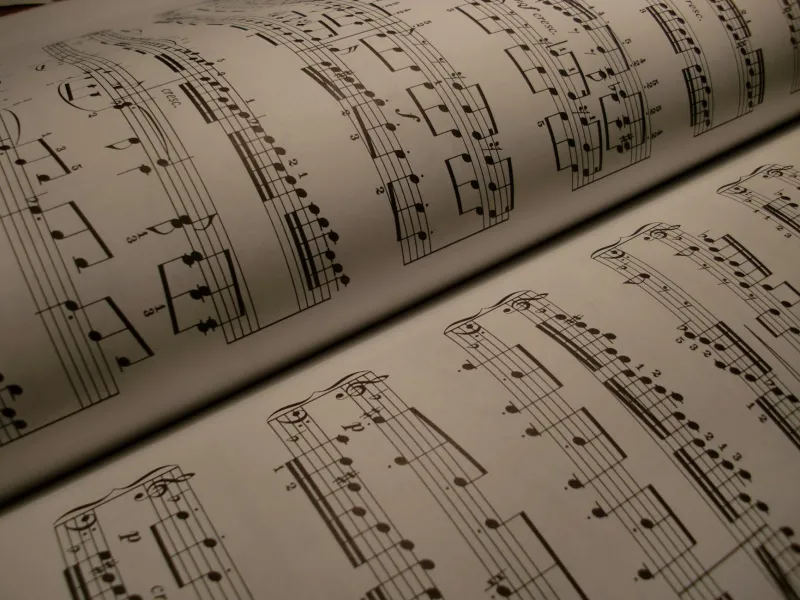
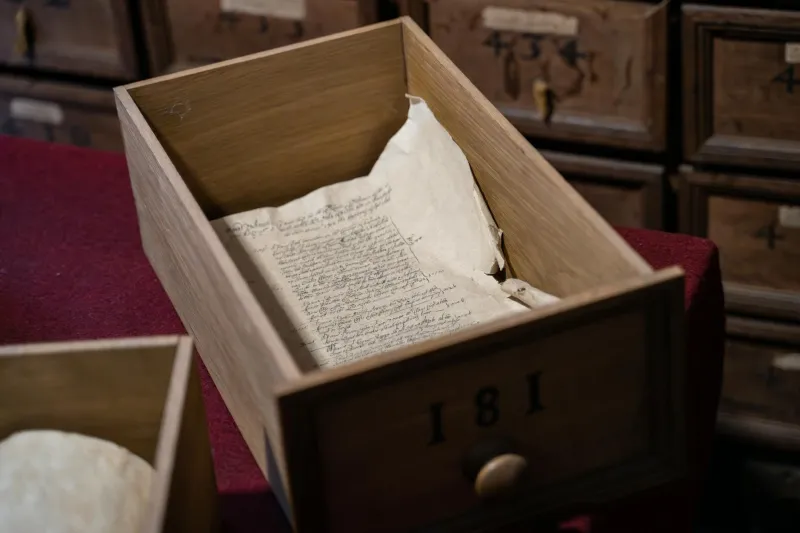
In a dusty corner of Chatsworth House's library, musicologist Dr Sarah Henderson felt her pulse quicken as she carefully lifted a leather-bound manuscript from beneath a pile of Victorian novels. The faded ink revealed the unmistakable hand of Samuel Wesley, and what appeared to be an unknown symphony. Such moments define the extraordinary world of Britain's manuscript hunters—amateur sleuths and professional archivists whose passion for musical archaeology has rescued countless forgotten works from oblivion.
 Photo: Chatsworth House, via sothebys-com.brightspotcdn.com
These modern-day treasure seekers represent one of Britain's most remarkable cultural phenomena: a grassroots movement dedicated to preserving the nation's musical heritage. From Yorkshire farmhouses to Scottish castle towers, they pursue leads with the tenacity of detectives, driven by the tantalising possibility that the next dusty box might contain a lost masterpiece.
The Art of Musical Detection
The work requires equal measures of scholarly expertise and intuitive detective skills. Dr James Whitfield, who has spent thirty years combing through British archives, describes the process as "reading between the lines of history." A casual mention in an 18th-century diary, a fragment of melody copied into a commonplace book, or even a suspicious gap in a composer's catalogue can launch an investigation spanning months or years.
Recent discoveries have been nothing short of extraordinary. In 2019, a complete set of madrigals by Thomas Weelkes emerged from a Gloucestershire rectory, whilst the previous year saw the identification of three lost Purcell anthems in Canterbury Cathedral's archives. Each find represents not merely a musical curiosity, but a vital piece of Britain's cultural DNA restored to the national consciousness.
 Photo: Canterbury Cathedral, via www.canterbury-cathedral.org
The hunters themselves come from diverse backgrounds. Some are retired academics, others passionate amateurs who combine weekend antiquing with musical scholarship. What unites them is an almost mystical belief that Britain's musical heritage extends far beyond the familiar canon, and that patient searching will reveal treasures that illuminate our understanding of the nation's artistic past.
From Discovery to Performance
The journey from dusty manuscript to concert hall represents perhaps the most thrilling aspect of musical archaeology. When the Hebrides Ensemble premiered a newly discovered work by Scottish composer John Clerk of Penicuik in 2020, the audience witnessed history being made—the first performance of music silent for over two centuries.
This resurrection process demands extraordinary skill. Ancient notation systems must be deciphered, missing instrumental parts reconstructed, and performance practices researched. The work often resembles completing a musical jigsaw puzzle where half the pieces remain missing. Yet when successful, these premieres offer something genuinely magical: the sound of Britain's musical past speaking directly to the present.
The emotional impact on both performers and audiences proves consistently profound. Musicians describe an almost spiritual connection to composers whose voices have been silent for generations, whilst audiences often report feeling witness to something approaching musical séance.
The Digital Revolution
Modern technology has transformed the manuscript hunting landscape. Digital archives now allow researchers to compare watermarks across continents, whilst sophisticated imaging techniques can reveal text hidden beneath centuries of grime. The British Library's ongoing digitisation project has made thousands of manuscripts accessible to researchers worldwide, democratising the search process in unprecedented ways.
 Photo: British Library, via thomasguignard.photo
Yet technology cannot replace the hunter's instinct—that indefinable ability to sense when something significant lies hidden. As veteran manuscript hunter Professor Margaret Davies observes, "Computers can catalogue and cross-reference, but they cannot feel the excitement of possibility that drives us to lift one more lid, open one more box."
Preserving the Future
Beyond individual discoveries, Britain's manuscript hunters serve as custodians of cultural memory. Their work ensures that future generations will inherit a richer, more complete understanding of the nation's musical heritage. Every rescued score represents a victory against the relentless erosion of time, and a testament to the enduring power of human curiosity.
The movement faces ongoing challenges. Funding remains scarce, access to private collections can be difficult to negotiate, and the sheer volume of unexplored material sometimes feels overwhelming. Yet the hunters persist, driven by an unshakeable conviction that Britain's musical treasures await discovery in the most unexpected places.
As Dr Henderson carefully placed that Wesley symphony back in its protective housing at Chatsworth, she reflected on the profound responsibility she and her fellow hunters shoulder. They are not merely collectors or academics, but guardians of a living tradition—ensuring that Britain's musical conversation between past and present continues to flourish.