A Nation's Cultural Awakening
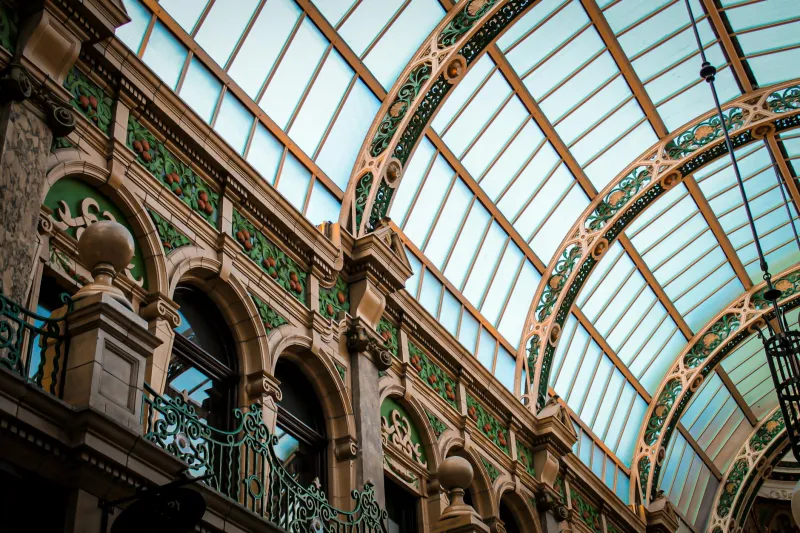
Walk through any British town today and you will likely encounter them: elaborate Victorian theatres, their ornate facades speaking of an age when communities possessed extraordinary cultural ambition. These buildings, often the finest architectural achievements in their localities, represent one of the most remarkable episodes in British social history—a period when provincial Britain determined to bring the transformative power of live performance within reach of every citizen.
Between 1850 and 1914, more than 600 purpose-built theatres opened across Britain, from the industrial heartlands of Yorkshire and Lancashire to the market towns of East Anglia and the Welsh valleys. This building boom reflected not merely economic prosperity but a profound belief in theatre's capacity to elevate, educate, and unite communities across the social spectrum.
The Architects of Entertainment
The men who designed these provincial palaces were architects of extraordinary vision, many of whom specialised exclusively in theatrical construction. Frank Matcham, perhaps the greatest of all British theatre architects, created more than 90 theatres during his career, each one a masterpiece of both aesthetic beauty and practical functionality.
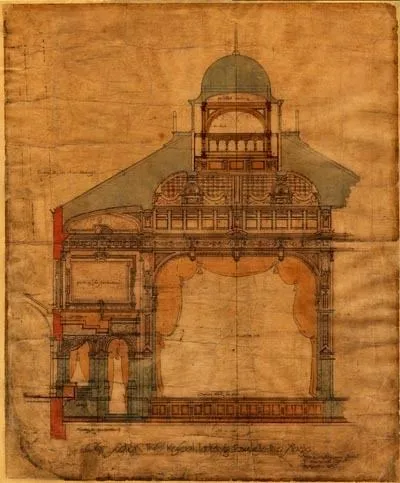 Photo: Frank Matcham, via alchetron.com
Matcham understood that provincial theatres faced unique challenges. Unlike London's West End venues, which could rely upon wealthy patrons and regular audiences, regional theatres needed to attract customers from all social classes whilst maintaining the sense of occasion that made theatre-going special. His solutions were ingenious: elaborate decoration that impressed without intimidating, sight-lines that ensured even the cheapest seats offered excellent views, and acoustics that carried every whispered word to the furthest reaches of the gallery.
Other architects brought their own innovations. Bertie Crewe specialised in intimate playhouses that fostered connection between performers and audiences, whilst W.G.R. Sprague developed techniques for rapid scene changes that allowed provincial companies to mount elaborate productions with minimal resources.
Philanthropic Vision
Behind many of these projects stood philanthropists whose cultural vision matched their business acumen. Andrew Carnegie, though Scottish-born, funded numerous British theatres as part of his broader commitment to cultural education. Local industrialists like the Lever brothers in Port Sunlight and the Rowntree family in York saw theatre construction as essential to creating model communities.
 Photo: Andrew Carnegie, via swedishwealthinstitute.com
These patrons understood that theatres offered more than entertainment. In an age before radio or television, live performance provided the primary means of cultural transmission, bringing Shakespeare to mining communities, opera to mill towns, and contemporary drama to agricultural regions that might otherwise have remained isolated from national cultural life.
The Blackpool Tower Company's decision to include an ornate ballroom and theatre within their entertainment complex demonstrated how forward-thinking entrepreneurs recognised culture as both a social good and a commercial opportunity. Similarly, the development of theatrical circuits allowed touring companies to visit previously isolated communities, creating a truly national theatrical culture for the first time in British history.
Engineering Marvels
The technical sophistication of these Victorian theatres remains impressive even today. The Theatre Royal in Newcastle, rebuilt in 1901, incorporated hydraulic stage machinery that allowed for spectacular scenic effects previously available only in London's premier venues. The Grand Theatre in Leeds featured a revolving stage decades before such technology became standard, whilst the Opera House in Manchester boasted electric lighting systems that rivalled any in Europe.
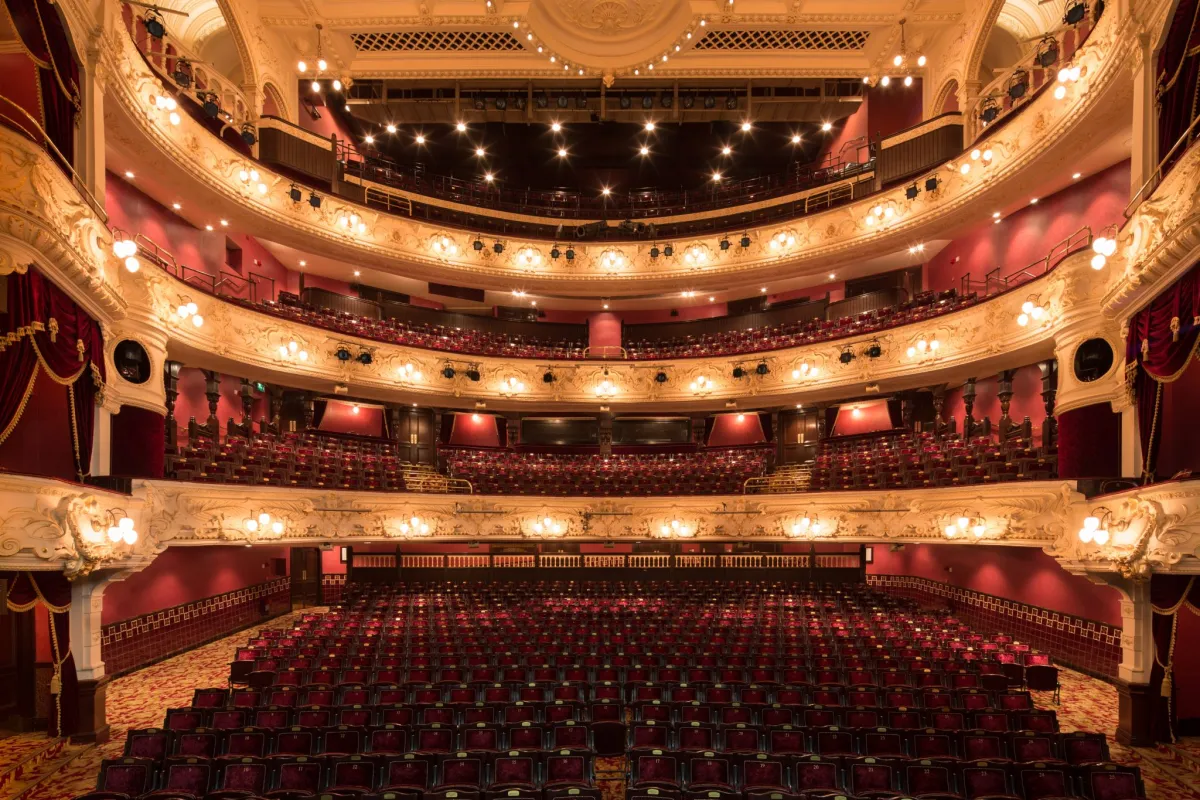 Photo: Theatre Royal in Newcastle, via ptb.co.uk
Safety innovations were equally important. The tragic fires that had destroyed earlier theatres prompted the development of fireproof construction techniques, emergency exit systems, and the iron safety curtains that became mandatory in all new theatrical construction. These measures, though expensive, demonstrated the commitment of builders and civic authorities to protecting the communities these theatres served.
Social Transformation
The impact of these theatres extended far beyond their walls. In industrial towns where work was often dangerous and living conditions harsh, theatres provided spaces of beauty and refinement that elevated daily life. The ritual of theatre-going—dressing in one's finest clothes, gathering with neighbours, sharing collective emotional experiences—created new forms of social cohesion.
Theatres also provided employment opportunities, particularly for women, who found work as ushers, box office attendants, and wardrobe assistants. The theatrical profession, though still regarded with suspicion by some, offered paths to respectability and even prosperity that were otherwise unavailable to working-class individuals.
Repertoire and Innovation
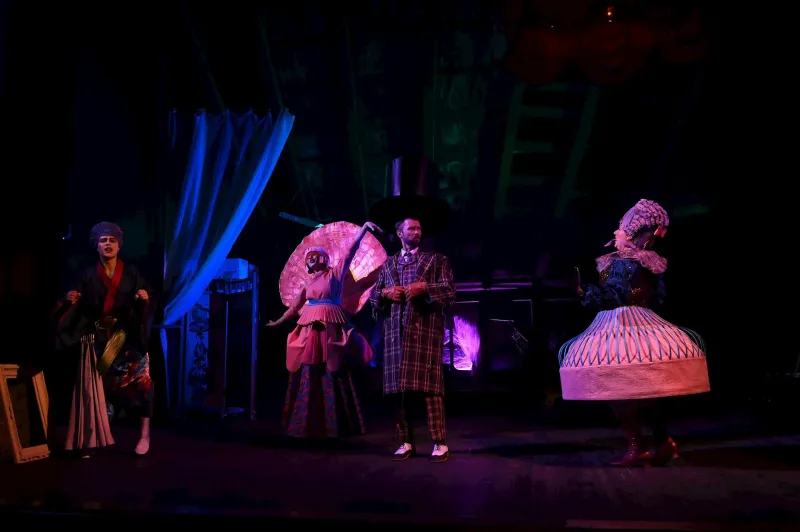
Provincial theatres developed distinctive programming approaches that reflected their communities' tastes whilst introducing audiences to new dramatic forms. Christmas pantomimes became elaborate local celebrations, often incorporating references to local personalities and events that created unique bonds between theatres and their audiences.
Many theatres also served as venues for political meetings, charity events, and community celebrations, cementing their positions as genuine civic centres rather than mere entertainment venues. The Grand Theatre in Wolverhampton hosted suffragette rallies, whilst the Empire in Edinburgh became a focal point for Scottish cultural nationalism.
The Challenge of Survival
Today, many of these magnificent buildings face uncertain futures. Changes in entertainment preferences, competition from digital media, and the enormous costs of maintaining Victorian-era buildings have forced numerous closures. Yet communities across Britain have demonstrated remarkable determination to preserve their theatrical heritage.
The restoration of the Hackney Empire in London, the revival of the King's Theatre in Edinburgh, and the ongoing campaign to save Stockport's Plaza Cinema demonstrate that these buildings retain their capacity to inspire civic pride and community action. Heritage organisations, local authorities, and volunteer groups have recognised that these theatres represent irreplaceable cultural assets whose loss would impoverish British cultural life immeasurably.
Legacy of Ambition
The Victorian theatre-building movement represents something profound about British cultural character: the belief that beauty, refinement, and artistic excellence should not be the exclusive preserve of metropolitan elites. The businessmen, architects, and community leaders who created these buildings possessed a cultural confidence that seems almost impossible to imagine today.
Their legacy extends beyond the buildings themselves to encompass the audiences they created, the artistic careers they fostered, and the cultural traditions they established. In an age when regional identity often seems threatened by globalisation, these theatres remind us that local communities have always possessed the capacity for extraordinary cultural achievement.
As we contemplate the future of British cultural life, we might do well to remember the vision of those Victorian builders who believed that every community deserved access to the transformative power of live performance. Their theatres, magnificent though they remain, represent more than architectural achievement—they embody an ideal of cultural democracy that remains as relevant today as it was a century ago.