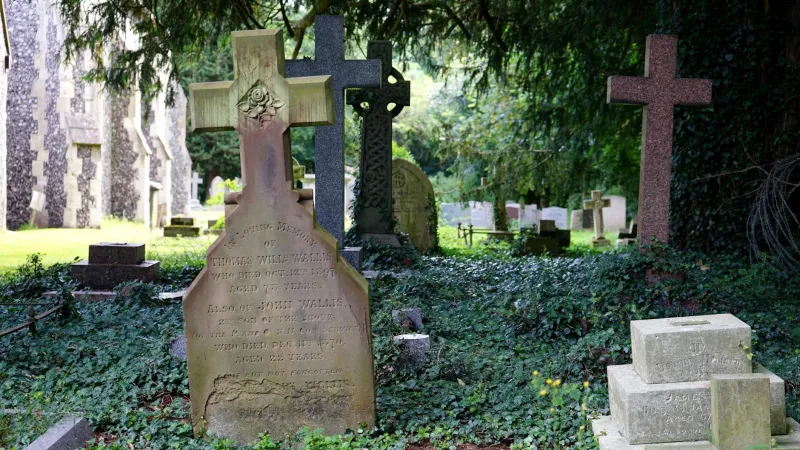
Where Genius Lies in State
Across Britain's landscape, scattered among village churchyards and cathedral crypts, lie the mortal remains of the minds that shaped our cultural identity. These sacred sites—some grand, others surprisingly humble—offer unique insights into how a nation chooses to honour its creative giants, both in their lifetimes and for posterity. For the cultural pilgrim, they represent opportunities not merely to pay respects, but to understand the complex relationship between artistic achievement and public recognition that has defined British cultural history.
The pilgrimage to these hallowed grounds reveals patterns of commemoration that speak volumes about changing social attitudes towards artists and their place in society. Some graves reflect the esteem in which their occupants were held during their lifetimes, whilst others tell stories of posthumous recognition that came too late to comfort the living artist. Together, they form a map of British cultural memory, marking the places where inspiration once dwelt and where it continues to inspire those who seek it.
The Poets' Corner Beyond Westminster
Whilst Westminster Abbey's Poets' Corner claims the most prestigious addresses in British literary death, the nation's churchyards hold equally moving testimonies to poetic genius. In Grasmere's St Oswald's churchyard, William Wordsworth rests beneath a simple headstone that bears only his name and dates, the restraint reflecting both his character and his belief that nature itself provided sufficient monument.
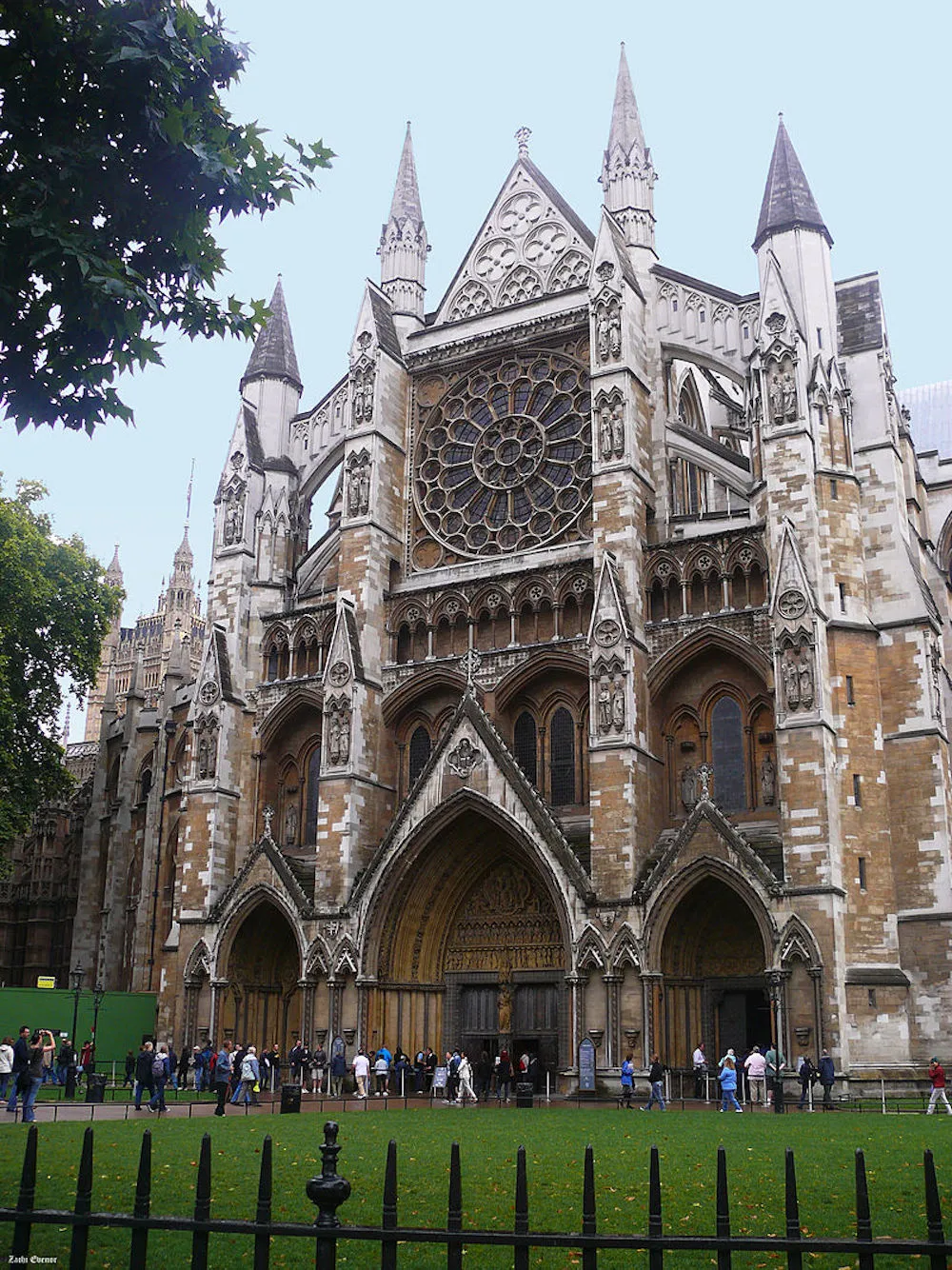 Photo: Westminster Abbey, via guidelinestobritain.com
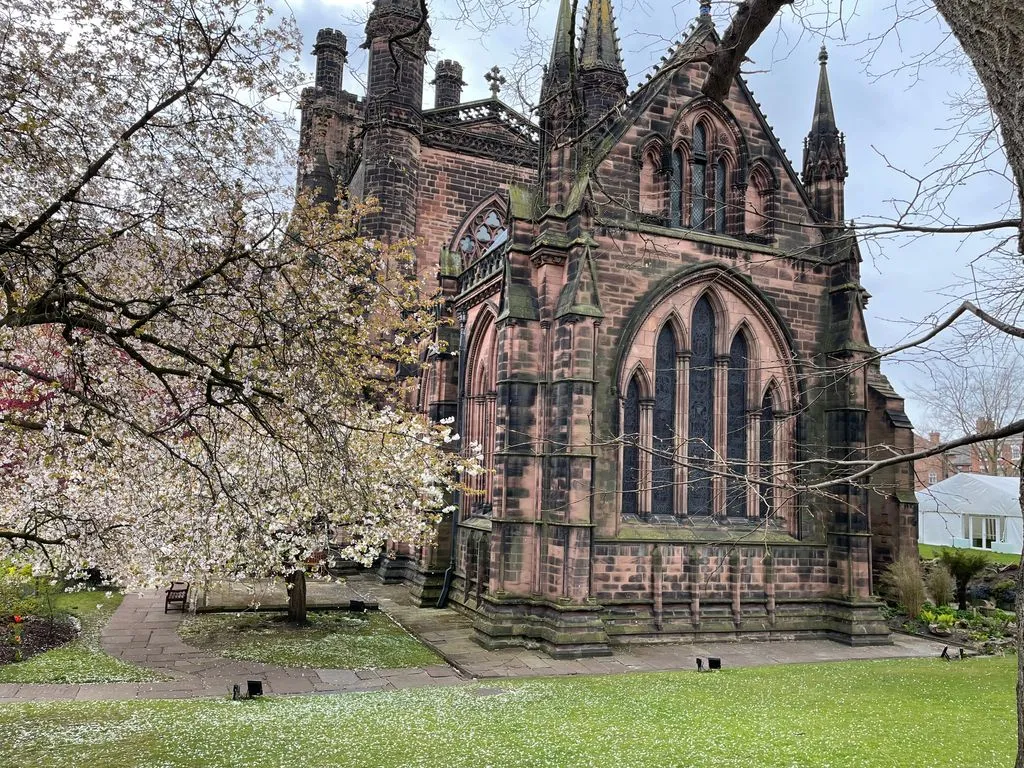 Photo: St Oswald's churchyard, via images.findagrave.com
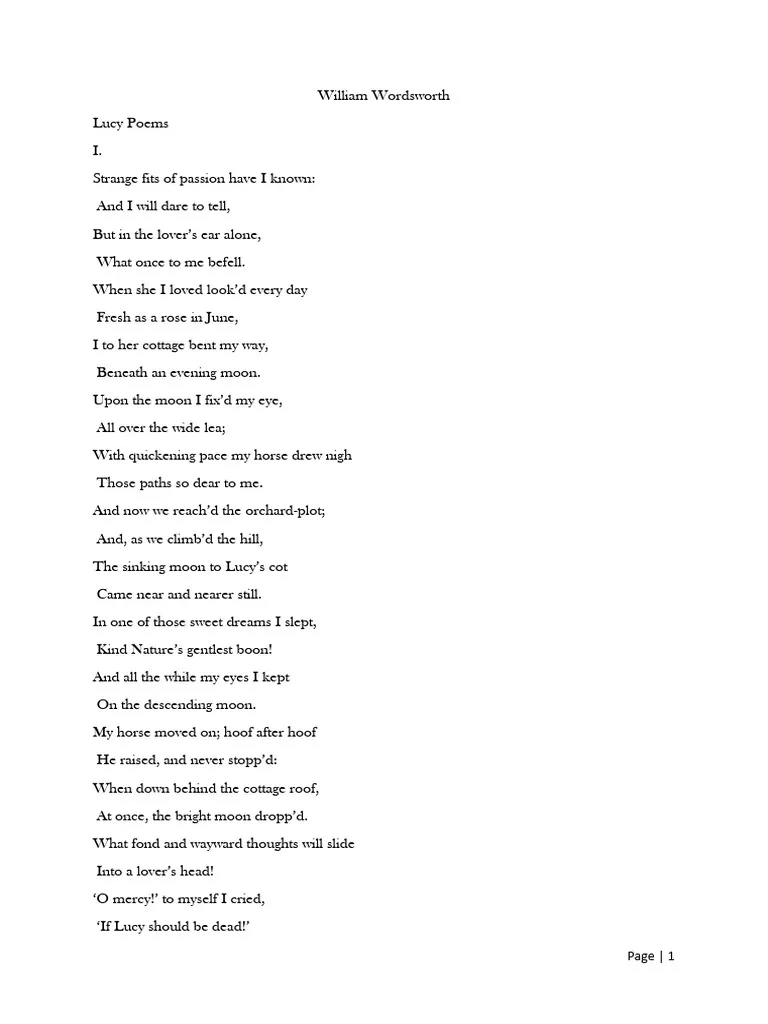 Photo: William Wordsworth, via imgv2-1-f.scribdassets.com
The grave's position, overlooking the fells that inspired his greatest work, creates a pilgrimage site that feels authentically connected to the poet's vision. Visitors often remark that standing beside Wordsworth's grave whilst gazing across the landscape he celebrated offers insights into his work that no amount of academic study could provide. The yew trees he planted still shade the churchyard, their growth marking the passage of time since his death in 1850.
Similarly, Thomas Gray's final resting place in Stoke Poges churchyard provides the perfect culmination to a pilgrimage inspired by his "Elegy Written in a Country Churchyard." The poet lies in the very setting that prompted his meditation on mortality and remembrance, creating a circularity that seems almost too perfect to be accidental. The massive sarcophagus erected in his honour by admirers reflects the poem's enduring popularity, though Gray himself might have preferred something simpler.
Musical Monuments and Modest Memorials
Britain's composers rest in locations that range from the sublime to the surprisingly prosaic. Edward Elgar's grave in St Wulstan's churchyard, Little Malvern, sits beneath the Malvern Hills that inspired so much of his music. The simple headstone, shared with his beloved wife Alice, belies the grandeur of the musical legacy it commemorates. Pilgrims often report hearing echoes of the Enigma Variations in the wind through the surrounding trees, though whether this represents genuine acoustic phenomena or the power of association remains delightfully ambiguous.
In contrast, Henry Purcell's burial in Westminster Abbey reflects the court composer's status during his lifetime, though the precise location of his grave within the abbey remains uncertain—a mystery that adds poignancy to visits from those seeking to honour England's greatest baroque composer. The memorial tablet, erected long after his death, suggests the challenges of maintaining cultural memory across centuries of changing musical tastes.
Ralph Vaughan Williams, who died in 1958, chose cremation over burial, with his ashes scattered in the Surrey countryside he loved. This decision, whilst denying pilgrims a specific grave to visit, reflects his democratic ideals and desire to return literally to the English landscape that suffused his compositions. Memorial services at Westminster Abbey and other venues have created alternative sites for remembrance, demonstrating how commemoration adapts to individual wishes whilst serving collective needs.
Theatrical Resting Places
The graves of Britain's dramatic giants offer particularly rich insights into the relationship between artistic achievement and social status. David Garrick, the eighteenth century's greatest actor, received burial in Westminster Abbey with pomp befitting his revolutionary impact on British theatre. His grave reflects the transformation he helped achieve in actors' social standing, moving the profession from disreputable entertainment to respected art.
In Stratford-upon-Avon, William Shakespeare's grave in Holy Trinity Church presents one of literary pilgrimage's most famous destinations. The inscription warning against moving his bones—"Cursed be he that moves my bones"—has proved remarkably effective, though it raises questions about whether superstition or respect maintains the grave's integrity. The nearby bust, erected shortly after his death, provides our most reliable guide to Shakespeare's actual appearance, making the church essential not just for pilgrimage but for historical understanding.
Oscar Wilde's journey to Père Lachaise Cemetery in Paris rather than a British resting place reflects the tragic circumstances of his final years, when scandal made him unwelcome in his homeland. The elaborate tomb, designed by Jacob Epstein, has become a site of international pilgrimage that perhaps exceeds in devotion anything he might have received in Britain. The tradition of leaving lipstick kisses on the monument speaks to his enduring appeal, though it has necessitated protective glass screens.
The Novelists' Final Chapters
British fiction's greatest practitioners rest in locations that often reflect their literary preoccupations. Jane Austen's grave in Winchester Cathedral seems almost anonymously modest, the original inscription failing even to mention her novels. This oversight, corrected by later memorial additions, reflects the limited recognition accorded to women writers during her lifetime, even those whose work achieved considerable popular success.
Charles Dickens, despite his expressed wish for a simple burial, was interred in Westminster Abbey following public demand that reflected his unprecedented status as a popular literary figure. His grave attracts constant visitors, many leaving flowers and small tokens that suggest the continuing emotional connection readers feel to his characters and social vision.
George Eliot's burial in Highgate Cemetery, outside consecrated ground due to her unconventional personal life, reflects Victorian moral attitudes that seem incomprehensible given her literary achievements. The impressive monument erected by admirers demonstrates how posthumous recognition can attempt to compensate for contemporary prejudice, though it cannot undo the injustices suffered during her lifetime.
Contemporary Pilgrimage and Cultural Memory
Modern visitors to these sites bring different expectations and interpretative frameworks than previous generations of pilgrims. Many seek personal inspiration rather than religious or patriotic affirmation, viewing these graves as sources of creative energy rather than simply historical markers. This shift reflects broader changes in how we understand the relationship between place and artistic achievement.
The maintenance of these sites reveals ongoing tensions between preservation and accessibility. Popular graves suffer wear from constant visitation, whilst remote locations struggle to attract the attention necessary for proper upkeep. The National Trust, English Heritage, and local authorities work to balance these competing demands, though resource constraints inevitably affect their success.
Lessons in Stone and Memory
What emerges from pilgrimage to these scattered sites is a complex portrait of how Britain has valued its creative heritage across different historical periods. The grandest monuments don't always mark the greatest achievements, whilst the most modest graves sometimes shelter the most enduring legacies. These disparities reflect not just changing fashions in commemoration, but fundamental questions about how societies should honour artistic achievement.
For the contemporary pilgrim, these graves offer opportunities for reflection that extend beyond simple literary or musical appreciation. They prompt consideration of mortality, legacy, and the mysterious relationship between individual creativity and cultural continuity. In visiting them, we participate in an ancient human practice of seeking wisdom from those who have passed beyond our reach, whilst contributing to the ongoing process by which cultural memory is maintained and transmitted.
The true pilgrimage to Britain's cultural graveyards involves not just physical travel, but imaginative engagement with the lives and works these sites commemorate. In making these journeys, we honour not only the dead, but the living tradition of artistic achievement they helped establish and that continues to enrich British cultural life.