The Changing Face of Britain's Musical Summer
For generations, the British classical music calendar has followed a familiar rhythm. As summer arrives, the cognoscenti migrate to Glyndebourne's manicured lawns, Garsington's Oxfordshire splendour, or the refined elegance of the Aldeburgh Festival. These institutions, magnificent though they remain, have long defined what it means to experience classical music in Britain's warmer months.
Yet beneath this established hierarchy, something remarkable is stirring. A new generation of festivals is quietly reshaping our understanding of where and how classical music should be heard, challenging both geographical boundaries and social expectations with equal audacity.
Ancient Stones, Modern Sounds
In the ruins of Fountains Abbey, where Cistercian monks once chanted their daily offices, the Yorkshire-based Ripon Festival now presents chamber music concerts that seem to emerge from the very stones themselves. The acoustics, shaped by centuries of weathering and architectural decay, create an intimacy that no purpose-built concert hall could replicate.
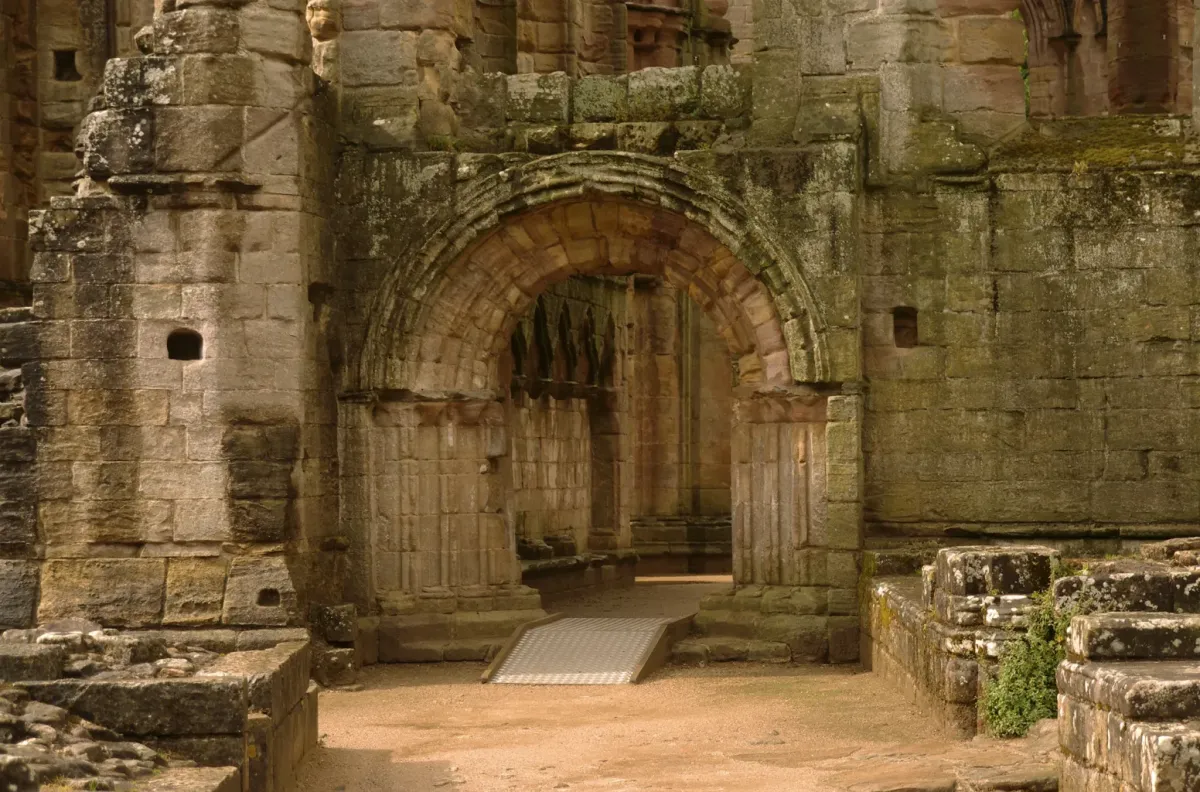 Photo: Fountains Abbey, via thebrainchamber.com
Similarly, the Ludlow Festival has transformed the grounds of Ludlow Castle into an unlikely venue for operatic productions, where medieval battlements provide a backdrop that would cost millions to recreate on any conventional stage. These ventures represent more than mere novelty; they suggest a fundamental reimagining of classical music's relationship with Britain's heritage landscape.
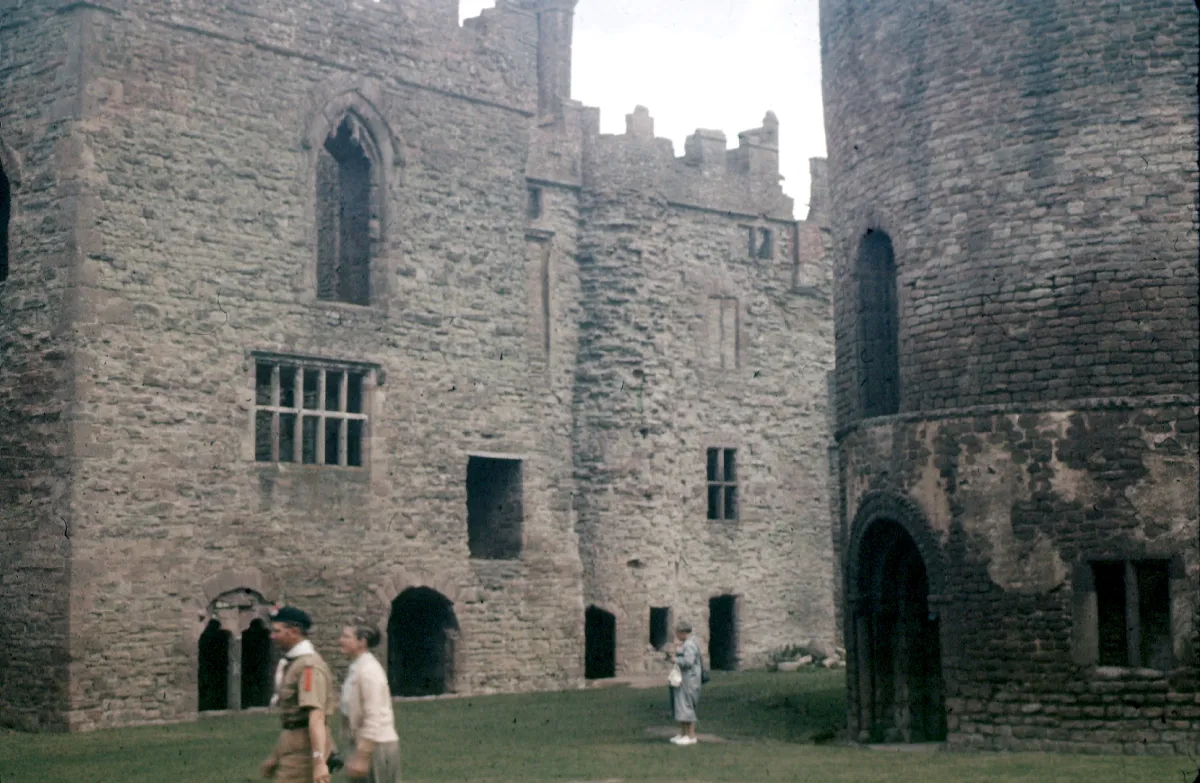 Photo: Ludlow Castle, via www.medart.pitt.edu
Industrial Grandeur Meets Musical Excellence
Perhaps even more striking is the emergence of festivals in Britain's industrial heritage sites. The Manchester-based New Music North West has found extraordinary resonance within the converted warehouses of the city's former textile district, where the raw brick and iron create an acoustic environment that seems perfectly suited to contemporary composition.
Meanwhile, the Ironbridge Festival in Shropshire has discovered that the birthplace of the Industrial Revolution provides an unexpectedly moving setting for performances of works by British composers from Elgar to Tavener. The juxtaposition of musical refinement against backdrops of honest industrial labour speaks to something profound about our national character.
Accessibility Through Innovation
These emerging festivals share more than adventurous venue selection; they represent a conscious effort to democratise access to classical music. Where traditional festivals often require substantial financial commitment—encompassing not merely ticket prices but accommodation, dining, and the unspoken dress codes of established cultural institutions—these newer ventures actively court a broader audience.
The Forest of Dean Festival, for instance, encourages families to bring picnics to its outdoor performances, while the Peak District Chamber Music Festival offers free community concerts alongside its ticketed events. Such initiatives reflect a growing recognition that classical music's future depends upon expanding its social reach without compromising artistic standards.
Regional Renaissance
This festival renaissance also reflects a broader cultural shift away from London-centric thinking. While the capital's musical institutions remain world-class, the proliferation of regional festivals suggests a growing confidence in local cultural identity.
The Orkney Festival demonstrates how remoteness can become a virtue, drawing musicians and audiences to Scotland's northern islands for an experience that would be impossible to replicate elsewhere. Similarly, the Eden Project's sessions in Cornwall prove that architectural innovation can create new possibilities for musical presentation.
Challenges and Opportunities
Yet these developments are not without their challenges. Many emerging festivals operate on precarious financial foundations, dependent upon volunteer enthusiasm and uncertain funding streams. The weather, always a consideration for outdoor events, becomes a existential threat when elaborate staging meets British summer unpredictability.
Moreover, the very intimacy that makes these festivals special also limits their capacity for growth. Success, paradoxically, threatens to destroy the qualities that made success possible in the first place.
The Future of Musical Pilgrimage
As these festivals mature, they are beginning to influence even the most established institutions. Glyndebourne now offers community engagement programmes that would have been unthinkable a generation ago, while the BBC Proms continues to experiment with venues beyond the Royal Albert Hall.
The broader implications extend beyond classical music itself. These festivals represent a new model for cultural tourism, one that celebrates both artistic excellence and local heritage. They suggest that Britain's cultural future lies not in competing with international destinations, but in offering experiences that could only happen here.
In transforming forgotten corners of our landscape into temporary temples of musical excellence, these festivals are writing a new chapter in Britain's cultural story—one that promises to resonate long after the final notes have faded into the summer evening air.