When Stages Became Canvases
On a December evening in 1781, London audiences gasped as the curtain rose at Drury Lane Theatre to reveal not the familiar painted flats of conventional stage design, but a three-dimensional landscape of extraordinary realism. Mountains appeared to recede into genuine distance, storms seemed to rage with meteorological authenticity, and architectural perspectives achieved a convincing depth that transformed the theatrical experience forever. Behind this revolution stood Philippe de Loutherbourg, an Alsatian artist whose innovations would fundamentally alter British theatre and establish scenic design as a legitimate art form.
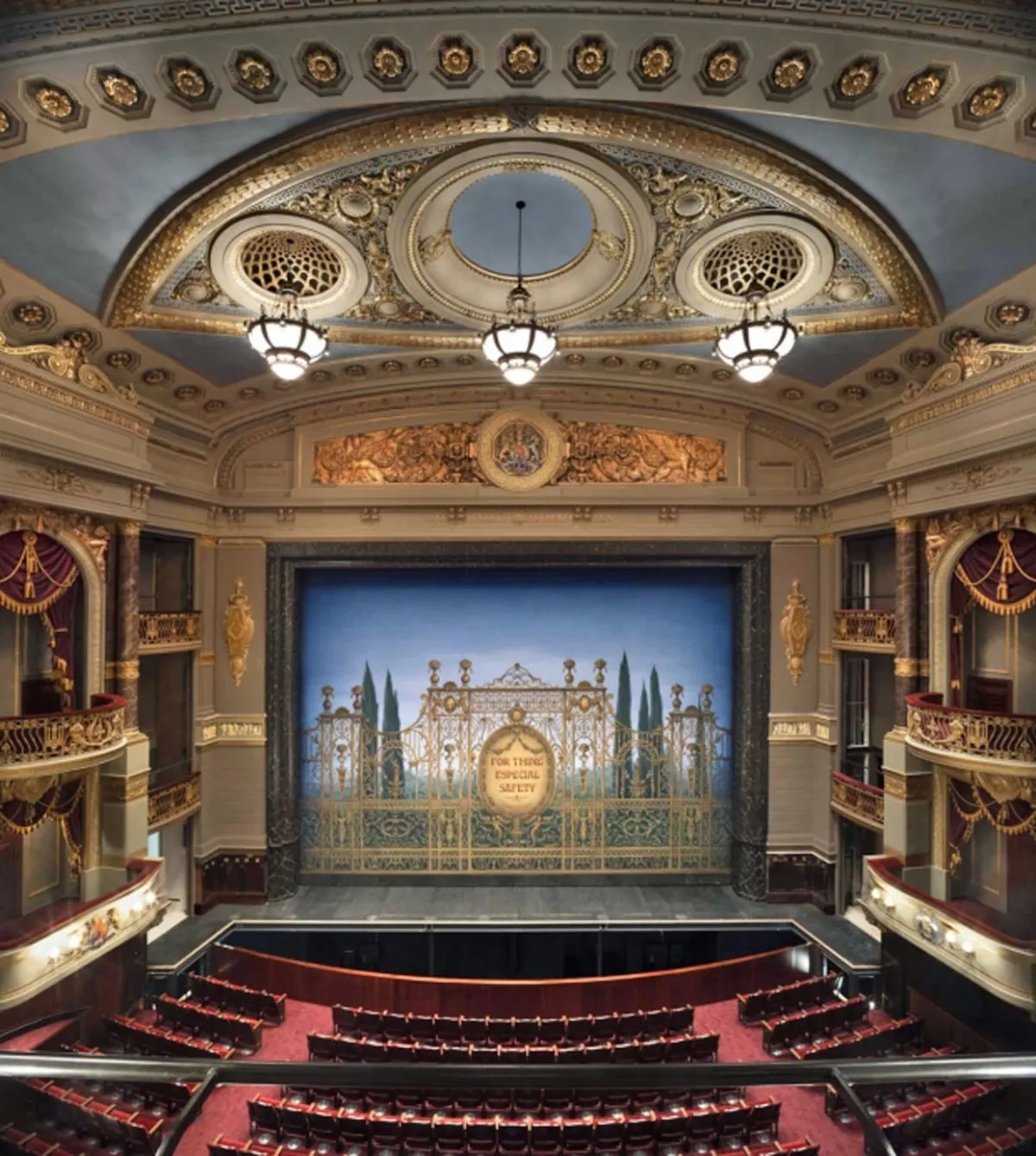 Photo: Drury Lane Theatre, via www.historictheatrephotos.com
The transformation of British stage design during the eighteenth and nineteenth centuries represents one of the theatre's most remarkable yet under-acknowledged achievements. These visual pioneers worked in the shadows of celebrated actors and playwrights, yet their innovations proved equally revolutionary, creating immersive theatrical environments that enhanced dramatic storytelling whilst establishing entirely new aesthetic possibilities.
The Pioneer of Perspective
De Loutherbourg arrived in London in 1771, bringing Continental expertise in perspective painting and landscape art to a British theatrical scene still dominated by crude, flat backdrops. His appointment as chief scene painter at Drury Lane marked the beginning of a visual revolution that would influence not only theatre but British painting generally.
His innovations extended far beyond mere technical proficiency. De Loutherbourg understood that effective scenic design must serve the emotional architecture of dramatic performance, creating visual metaphors that reinforced textual themes. His designs for Shakespeare's The Tempest featured moving clouds and shifting light effects that literally embodied the play's supernatural elements, whilst his work on contemporary comedies employed satirical visual references that added layers of meaning accessible to visually literate audiences.
The artist's most celebrated innovation was his development of transparent scenery, achieved through careful manipulation of lighting and specially prepared canvases. This technique allowed for spectacular transformation scenes where day could become night, seasons could change before the audience's eyes, and supernatural events could achieve unprecedented visual credibility.
The Antiquarian's Eye
William Capon represented a different but equally significant approach to theatrical design. Where de Loutherbourg prioritised emotional impact and visual spectacle, Capon brought scholarly precision to historical accuracy. His meticulous research into medieval and Tudor architecture transformed the staging of historical drama, replacing the anachronistic classical settings that had previously served for all periods with archaeologically informed reconstructions.
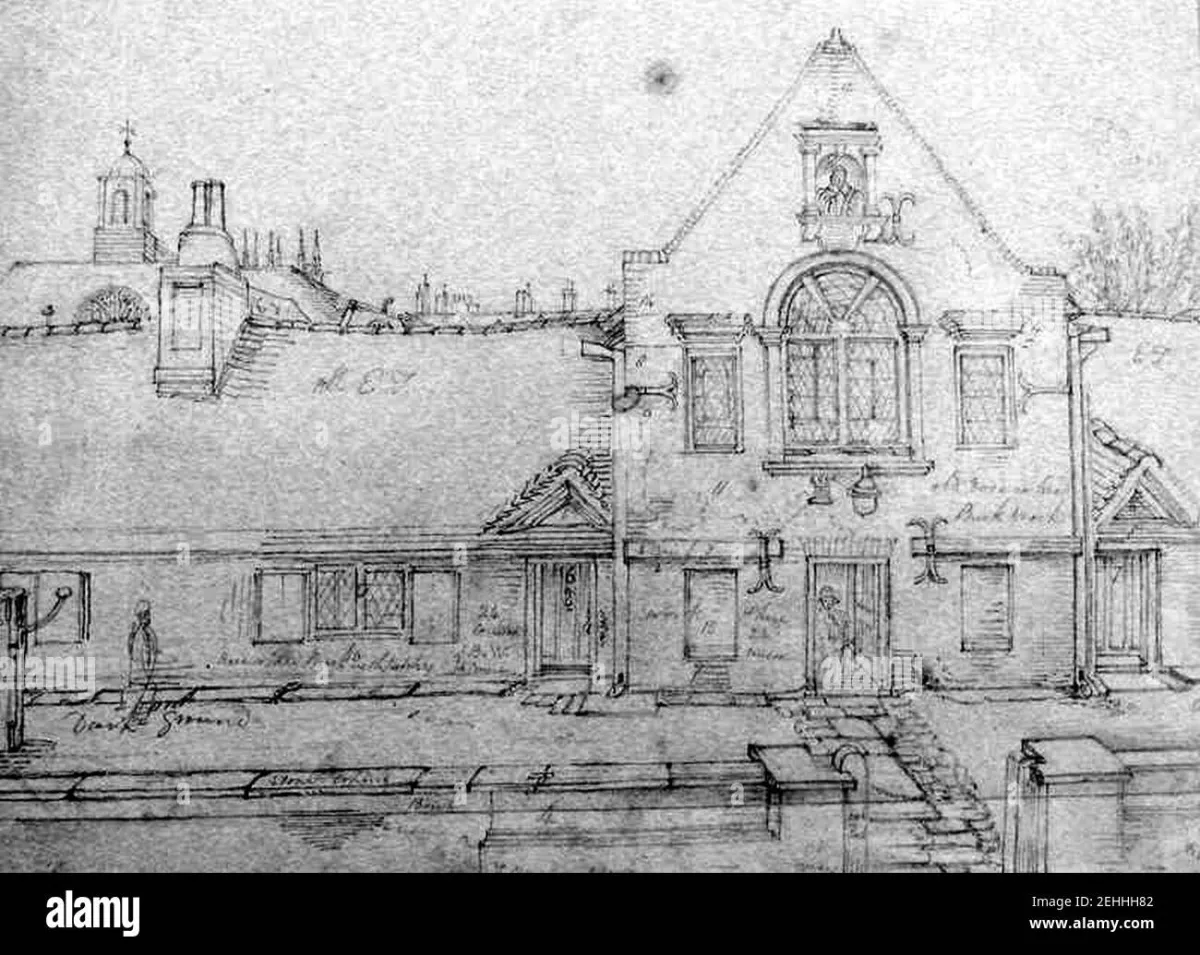 Photo: William Capon, via c8.alamy.com
Capon's designs for productions of Shakespeare's history plays featured Gothic architecture researched from surviving examples, authentic period costumes based on contemporary portraits, and architectural details that educated audiences about their national heritage whilst enhancing dramatic authenticity. His work anticipated the Victorian passion for historical accuracy whilst establishing principles of research-based design that continue to influence contemporary practice.
The artist's influence extended beyond individual productions to shape broader cultural attitudes towards British history. His stage designs helped popularise the Gothic Revival movement, whilst his antiquarian research contributed to growing national consciousness about architectural heritage. Theatre audiences encountered medieval England through Capon's eyes, developing visual literacy about their historical past that influenced everything from domestic architecture to literary taste.
The Technical Revolution
The achievements of these pioneering designers rested upon significant technical innovations that expanded the expressive possibilities of theatrical space. The development of sophisticated lighting systems, including the introduction of gas illumination, allowed for unprecedented control over mood and atmosphere. Scene changes became increasingly elaborate, with mechanical systems enabling rapid transformations that enhanced dramatic pacing whilst providing spectacular entertainment in their own right.
These technical advances were complemented by innovations in painting techniques specifically adapted to theatrical requirements. Designers developed methods for creating convincing three-dimensional effects on two-dimensional surfaces, mastered the challenges of painting for artificial illumination, and learned to create designs that would read effectively from every seat in increasingly large auditoriums.
The workshop systems that supported this technical revolution represented significant cultural institutions in their own right. Theatre design studios employed teams of specialist painters, carpenters, and technicians whose skills rivalled those found in the finest art academies. These workshops served as training grounds for successive generations of designers whilst developing technical innovations that influenced fields beyond theatre.
Beyond the Proscenium
The influence of theatrical design extended far beyond the confines of playhouses themselves. The visual innovations pioneered by de Loutherbourg and his successors influenced contemporary landscape painting, contributed to the development of panorama entertainment, and shaped popular visual culture through illustrated books and prints that disseminated theatrical imagery to broader audiences.
The Gothic Revival movement owed a significant debt to theatrical designers whose stage reconstructions of medieval architecture influenced architects, interior designers, and decorative artists. The romantic landscape tradition in British painting similarly benefited from theatrical innovations in atmospheric effects and dramatic composition.
The Forgotten Masters
Despite their profound influence on British visual culture, theatrical designers have received far less historical attention than their dramatic and musical colleagues. This neglect reflects broader cultural hierarchies that privileged text and performance over visual elements, yet it has obscured the extent to which theatrical innovation shaped broader artistic development.
Contemporary theatre historians are beginning to redress this imbalance, recognising that comprehensive understanding of theatrical history requires attention to all elements of production. Recent scholarship has revealed the sophisticated artistic intelligence behind seemingly ephemeral scenic designs, whilst museum exhibitions have celebrated the aesthetic achievements of designers previously dismissed as mere craftsmen.
A Visual Legacy
The revolution in British theatrical design established principles and techniques that continue to influence contemporary practice. The integration of historical research with creative interpretation, the use of visual metaphor to enhance dramatic meaning, and the development of spectacular transformation effects all remain central to modern scenic design.
More broadly, these pioneering artists demonstrated the power of visual storytelling to enhance and complement textual narrative. Their work reminds us that theatre's greatest achievements emerge from the successful integration of multiple artistic disciplines, and that the most memorable theatrical experiences engage audiences through every available sensory channel. In celebrating these forgotten masters, we acknowledge the collaborative nature of theatrical art whilst recognising that visual innovation deserves equal status with literary and musical achievement.