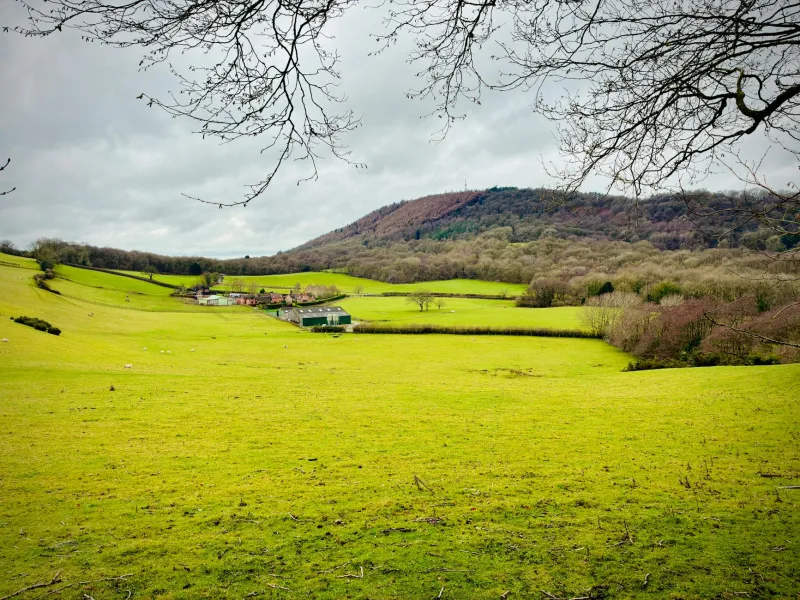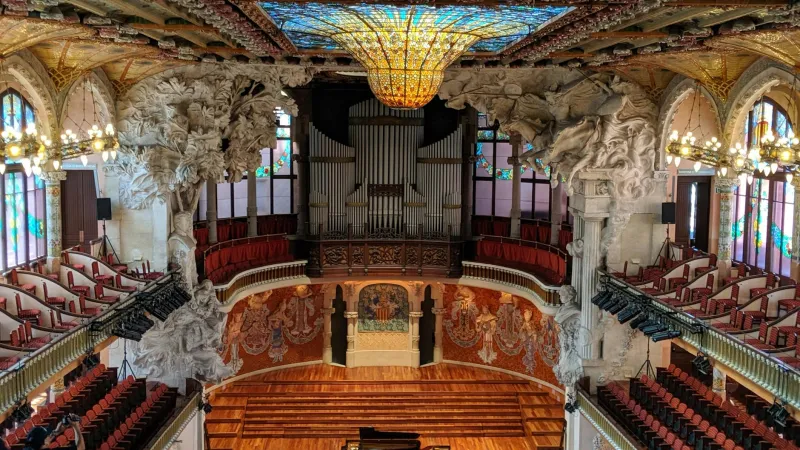
The Living Museums of Sound
Across Britain, a remarkable collection of historic concert venues continues to fulfil their original purpose whilst serving as living monuments to our musical heritage. These spaces, ranging from intimate Georgian chambers to grand Victorian halls, offer modern audiences the extraordinary opportunity to experience music in the very rooms where British classical culture was forged. Each venue tells a unique story of architectural innovation, social transformation, and the enduring power of live performance.
Assembly Rooms, Bath
Built: 1771 | Architect: John Wood the Younger
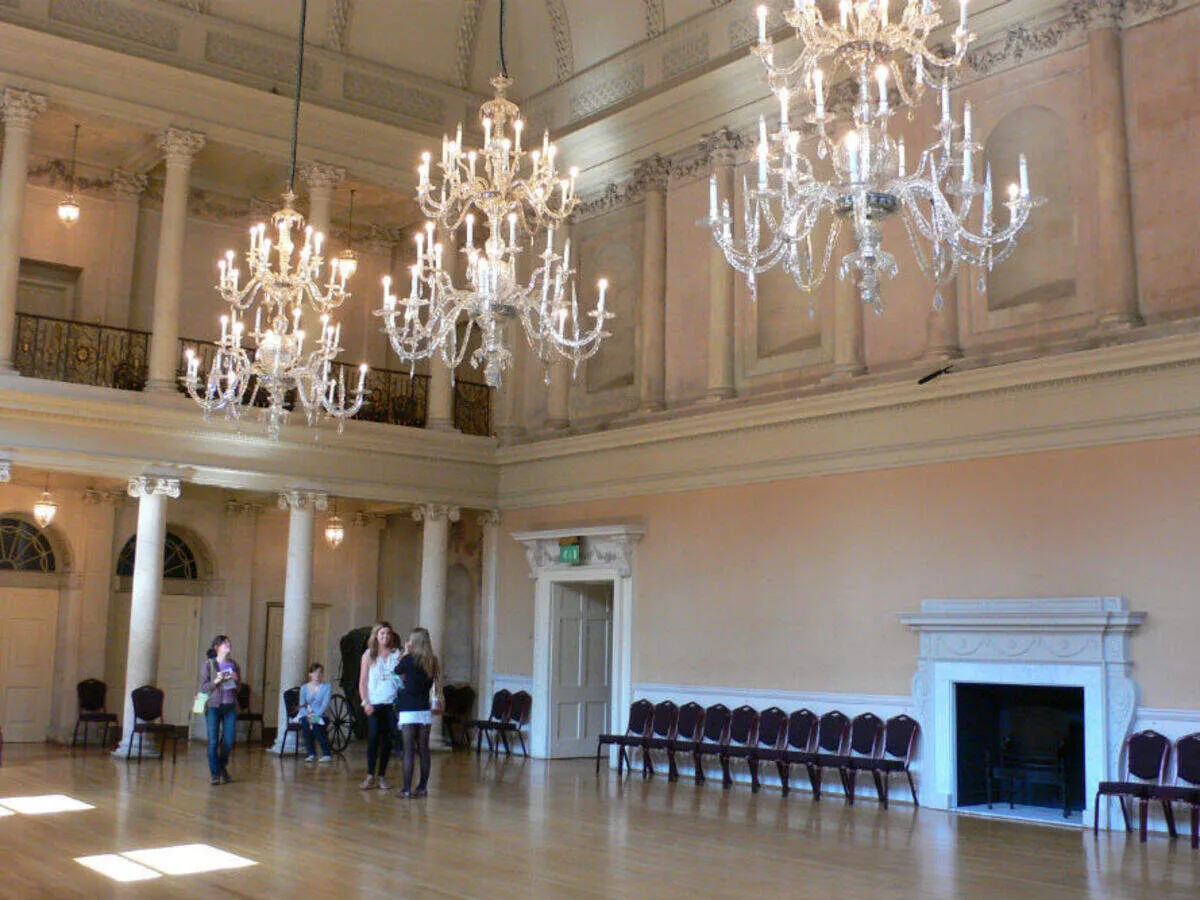 Photo: Assembly Rooms, Bath, via static.toiimg.com
The Assembly Rooms in Bath represent the pinnacle of Georgian social architecture, where music served as the sophisticated soundtrack to polite society. The magnificent Ball Room, with its crystal chandeliers and honey-coloured Bath stone walls, hosted subscription concerts that defined musical taste for the emerging middle classes. Today, visitors can attend chamber music recitals in the very space where Jane Austen's characters might have waltzed to the strains of a Haydn minuet.
The venue's remarkable acoustics, created through John Wood's masterful proportions, continue to enhance intimate performances. The Bath International Music Festival regularly programmes concerts here, allowing audiences to experience the acoustic environment that shaped Georgian musical sensibilities.
St George's Bristol
Built: 1748 | Architect: William Paul
Originally conceived as a church, St George's Bristol was transformed into a concert hall in 1963, creating one of Britain's most atmospheric performance spaces. The Georgian interior, with its soaring columns and elegant galleries, provides an acoustic environment that particularly favours baroque and early classical repertoire.
The venue's programming celebrates its architectural heritage whilst embracing contemporary musical exploration. Regular performances by period instrument ensembles allow audiences to hear 18th-century music in an authentically 18th-century acoustic environment. The annual Handel Festival particularly showcases the building's capacity to transport listeners back to the composer's era.
Holywell Music Room, Oxford
Built: 1748 | Architect: Thomas Camplin
Claiming to be Britain's oldest purpose-built concert hall, the Holywell Music Room represents musical architecture in its purest form. The intimate rectangular space, seating just 250, was designed specifically for chamber music performance, creating an acoustic environment of remarkable clarity and warmth.
The venue's history encompasses nearly three centuries of musical evolution. Haydn conducted here during his London visits, whilst contemporary artists continue to discover new possibilities within its perfectly proportioned walls. The room's modest scale creates an unusually direct connection between performers and audience, making every concert feel like a private musical gathering.
Wigmore Hall, London
Built: 1901 | Architect: Thomas Collcutt
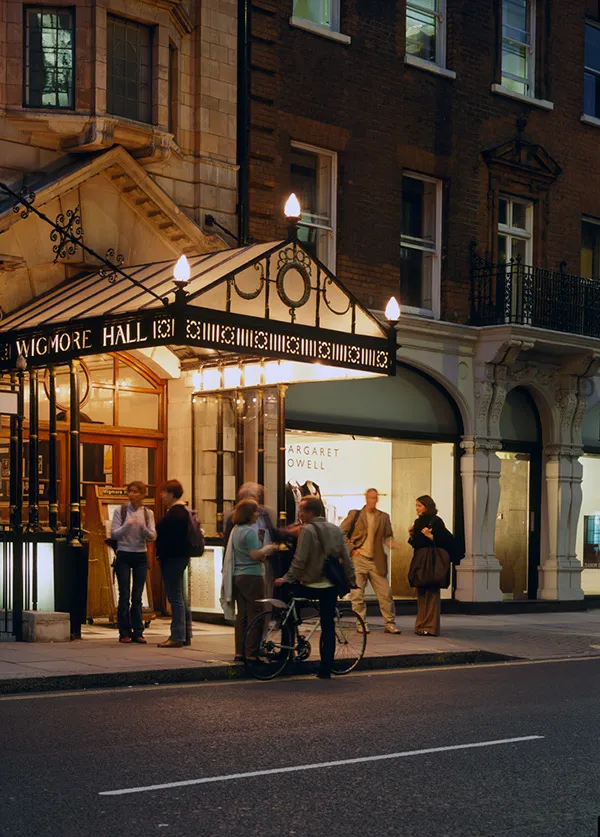 Photo: Wigmore Hall, London, via mir-s3-cdn-cf.behance.net
The Wigmore Hall stands as the supreme example of Edwardian concert hall design, where art nouveau elegance meets acoustic perfection. Originally built as the Bechstein Hall, the venue was designed specifically for solo recitals and chamber music, creating an intimate atmosphere that has attracted the world's greatest musicians for over a century.
The hall's distinctive cupola, decorated with elaborate allegorical paintings, crowns an acoustic environment renowned for its clarity and warmth. The venue's programming philosophy – focusing on song recitals and chamber music – remains unchanged from its original conception, making it a living link to the golden age of classical performance.
Blackheath Halls, London
Built: 1895 | Architect: Ernest Newton
The Great Hall at Blackheath represents the Victorian ideal of community cultural centres, where architectural grandeur served educational and artistic purposes. The space, with its hammer-beam roof and arts and crafts detailing, was conceived as a venue where South London's emerging suburban communities could access high-quality musical performance.
Today, the venue continues this democratic mission whilst celebrating its architectural heritage. The hall's warm acoustics particularly suit romantic and late romantic repertoire, whilst its intimate scale allows for experimental programming that connects historical and contemporary musical traditions.
Music Hall, Snape Maltings
Built: 1967 (converted from 19th-century maltings) | Architect: Arup Associates
Whilst not historic in the traditional sense, Snape Maltings represents a revolutionary approach to concert hall design that transformed an industrial building into one of Britain's most celebrated musical venues. Benjamin Britten's vision created a space where the building's agricultural heritage enhances rather than diminishes its acoustic properties.
The hall's brick walls and timber roof create a warm, enveloping acoustic that particularly suits the British musical repertoire that forms the core of Aldeburgh Festival programming. The venue demonstrates how historic buildings can be sensitively adapted to create new musical possibilities whilst preserving their essential character.
St John's Smith Square, London
Built: 1728 | Architect: Thomas Archer
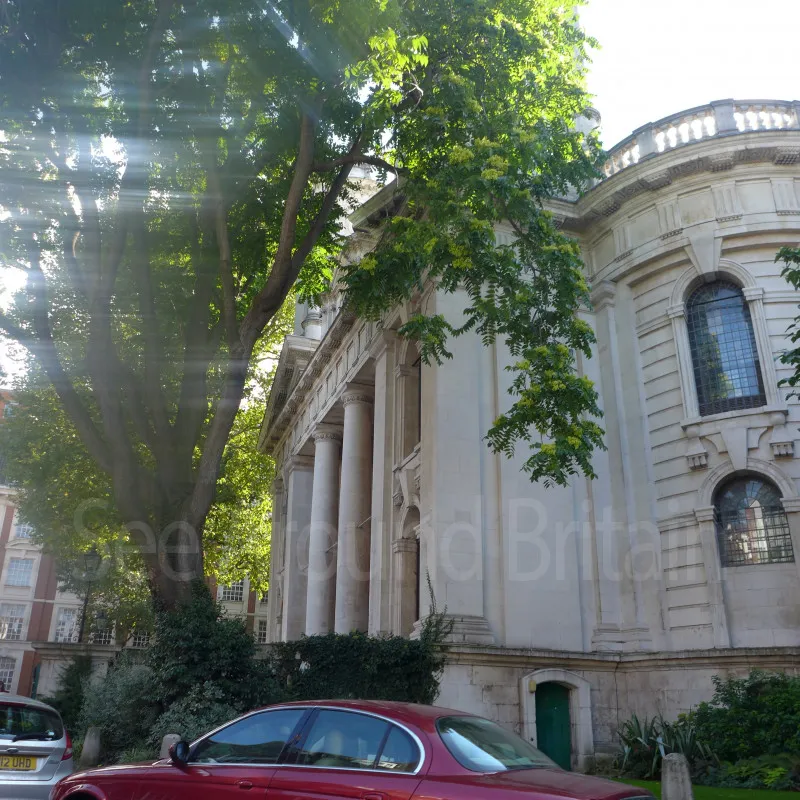 Photo: St John's Smith Square, London, via cdn.seearoundbritain.com
This baroque church, dubbed 'Queen Anne's Footstool' for its distinctive four-tower design, was transformed into a concert venue following wartime bombing and subsequent restoration. The conversion created a space where the building's sacred origins enhance rather than constrain musical performance.
The venue's programming celebrates both its architectural heritage and its role in contemporary musical life. Regular performances of baroque sacred music allow the building to fulfil something approaching its original function, whilst contemporary programming demonstrates the space's versatility and continuing relevance.
Fairfield Halls, Croydon
Built: 1962 | Architect: Robert Atkinson & Partners
Representing the optimistic modernism of post-war Britain, Fairfield Halls demonstrates how mid-century architects reimagined the concert hall for a democratic age. The venue's clean lines and functional elegance created a new model for community cultural centres that influenced municipal building across Britain.
Following recent restoration, the venue continues to serve its original purpose as a cultural centre for South London, whilst its architectural significance has gained increasing recognition. The programming balances classical music with popular entertainment, reflecting the building's original vision of cultural accessibility.
Turner Sims Concert Hall, Southampton
Built: 1991 | Architect: Michael Tapper
Whilst the newest venue on this list, Turner Sims represents a conscious attempt to revive traditional concert hall design principles within contemporary architectural language. The hall's warm timber interior and carefully calculated acoustics create an intimate environment that recalls the great chamber music venues of earlier eras.
The venue's programming philosophy emphasises the connection between architectural space and musical repertoire, with regular themed seasons that explore how different musical styles interact with the hall's acoustic character. This approach makes explicit the relationship between space and sound that older venues embody intuitively.
Palace Theatre, Southend-on-Sea
Built: 1912 | Architect: Frank Matcham
Frank Matcham's baroque revival masterpiece represents the final flowering of traditional theatre design, where elaborate decoration serves acoustic as well as aesthetic purposes. The venue's horseshoe-shaped auditorium and richly decorated interior create an acoustic environment that flatters both voice and instruments.
Today, the venue balances its heritage as a variety theatre with programming that includes classical concerts and opera. This mixed programming reflects the building's original conception as a venue for popular entertainment, whilst its acoustic qualities continue to serve serious musical performance.
The Continuing Symphony
These ten venues represent more than architectural heritage – they embody the living tradition of British musical culture. Each space continues to fulfil its original purpose whilst adapting to contemporary musical life, proving that the finest historic buildings remain relevant not as museums but as active participants in our continuing cultural conversation. For music lovers seeking to understand British classical culture, these venues offer the irreplaceable experience of hearing music in the spaces where that culture was created and continues to evolve.