The Silent Emergency in Britain's Musical Archives
In the basement of Canterbury Cathedral, Dr Margaret Thornfield carefully lifts a 16th-century manuscript from its protective housing. The vellum crackles softly as she opens to reveal the intricate notation of a previously unknown anthem by Thomas Tallis. This discovery, made just eighteen months ago, represents both triumph and urgency in Britain's ongoing battle to preserve its musical past.
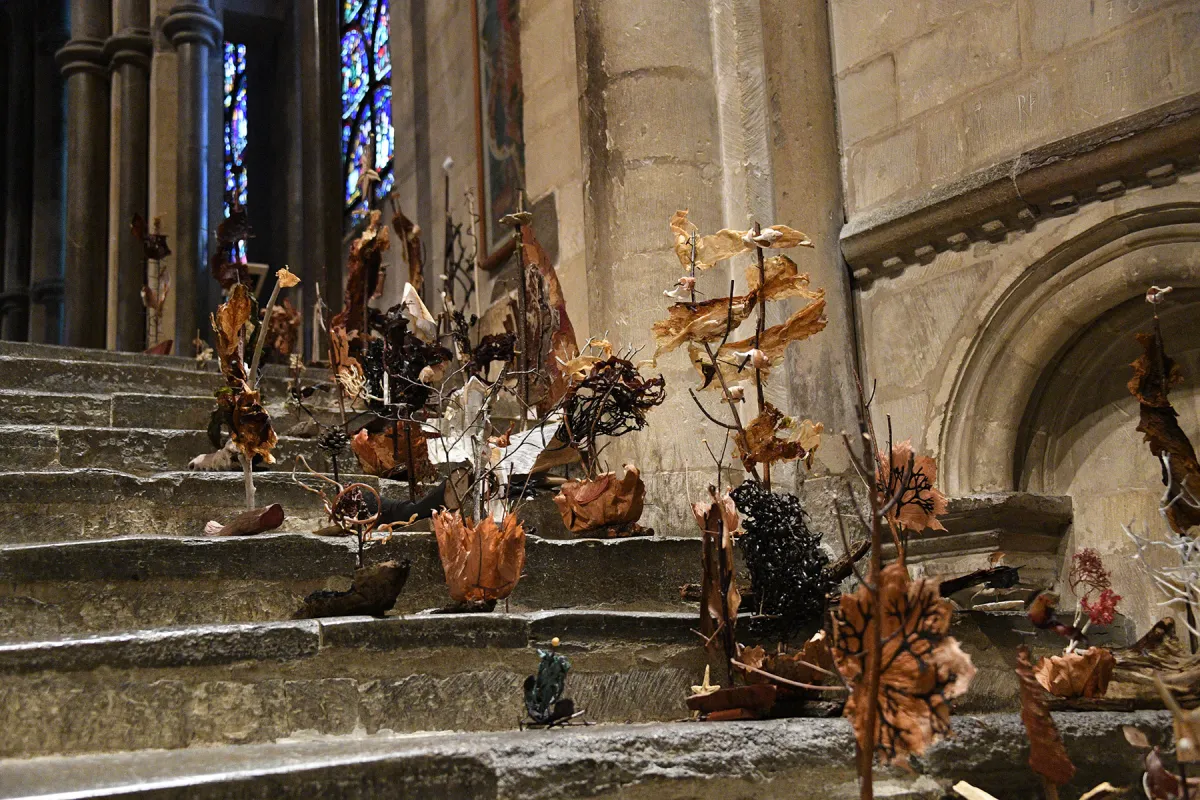 Photo: Canterbury Cathedral, via www.canterbury-cathedral.org
Across the nation, a quiet revolution is unfolding in libraries, cathedrals, and country house archives. Teams of musicologists, librarians, and passionate volunteers are racing against time to locate, catalogue, and digitise thousands of musical manuscripts before they succumb to age, neglect, or simple obscurity. Their work is revealing a musical heritage far richer and more diverse than previously imagined.
Hidden Treasures in Unexpected Places
The scope of discoveries continues to astonish even seasoned researchers. At Chatsworth House, recent investigations of the Devonshire Collection uncovered a cache of 18th-century chamber works by composers whose names had vanished from musical history. Dr James Whitmore of the Royal College of Music describes finding "complete symphonies by British composers we had assumed were lost forever, wrapped in oilcloth and forgotten in a servants' quarters for over two centuries."
 Photo: Chatsworth House, via c8.alamy.com
Similarly remarkable finds emerge from cathedral archives nationwide. York Minster's recent digitisation project revealed an entire collection of Tudor-era polyphonic works, whilst Worcester Cathedral's archives yielded previously unknown compositions by William Byrd. These discoveries challenge long-held assumptions about the breadth and sophistication of Britain's early musical tradition.
 Photo: York Minster, via c8.alamy.com
The volunteer network proves equally vital to this endeavour. The British Music Manuscript Society, established in 2019, coordinates amateur historians who spend weekends combing through parish church records and private collections. Their efforts have already identified over 3,000 previously uncatalogued pieces, from simple hymn arrangements to complex orchestral scores.
Technology Meets Tradition
Modern technology plays an increasingly crucial role in preservation efforts. High-resolution scanning techniques allow researchers to capture manuscripts in extraordinary detail, whilst artificial intelligence helps identify compositional patterns and authenticate disputed works. The British Library's innovative digital restoration process can now reconstruct damaged passages by analysing surrounding musical context.
Dr Sarah Collins, leading the National Manuscript Digitisation Project, explains: "We're using machine learning to identify compositional fingerprints—unique harmonic progressions or melodic patterns that can authenticate works or suggest attributions. It's detective work enhanced by cutting-edge technology."
The impact extends beyond mere preservation. Digital platforms now make these rediscovered works accessible to performers worldwide. The Early Music Online portal, launched by Cambridge University, has already facilitated over 200 modern performances of previously lost compositions.
Funding Challenges and Future Prospects
Despite remarkable progress, significant challenges remain. Funding constraints limit the pace of digitisation, whilst many private collections remain inaccessible to researchers. The Heritage Lottery Fund has provided crucial support, but demand far exceeds available resources.
Professor Elizabeth Hartwell of Oxford's Faculty of Music warns: "We're in a race against time. Every year of delay means more manuscripts deteriorate beyond recovery. Climate change, building maintenance issues, and simple human neglect threaten irreplaceable musical heritage."
Yet optimism persists among those leading this preservation effort. New partnerships between universities, heritage organisations, and technology companies promise accelerated progress. The recently announced Digital Heritage Initiative will provide £15 million over five years specifically for musical manuscript preservation.
Rediscovering Britain's Musical Soul
These preservation efforts reveal a musical culture of extraordinary richness. Far from the narrow canon traditionally taught in schools, Britain's musical heritage encompasses everything from sophisticated court masques to haunting folk arrangements, from experimental harmonic innovations to deeply moving sacred works.
Each rescued manuscript adds new colours to our understanding of British musical identity. Recent discoveries include evidence of much earlier jazz influences in British popular music, sophisticated polyphonic techniques in rural church music, and unexpected connections between British composers and their Continental contemporaries.
The implications extend beyond academic interest. Modern composers increasingly draw inspiration from these rediscovered works, whilst period instrument ensembles programme previously unknown pieces alongside familiar masterworks. This living engagement with historical material ensures that preservation efforts serve not merely archival purposes but active cultural renewal.
A Living Heritage for Future Generations
As this remarkable preservation campaign continues, its ultimate success will be measured not merely in manuscripts saved but in music performed. The true victory lies in returning these silenced voices to concert halls, cathedrals, and drawing rooms where they can once again move and inspire audiences.
Britain's manuscript hunters work with quiet determination, knowing that each rescued score represents not just historical curiosity but living artistic heritage waiting to sing again. Their efforts ensure that future generations will inherit a musical tradition far richer than we ever imagined possible.