Britain's Secret Galleries: The Private Collections That Rival the National Museums
Whilst millions queue to glimpse the Mona Lisa at the Louvre or marvel at the Elgin Marbles in Bloomsbury, some of Europe's most extraordinary art collections remain tucked away behind the ivy-clad walls of Britain's country houses. These private galleries, accumulated over generations by families with both wealth and exceptional taste, contain treasures that would make any museum curator green with envy.
The Grand Tradition of Private Collecting
The tradition of aristocratic collecting reached its zenith during the 18th and 19th centuries, when British nobility embarked upon Grand Tours of continental Europe, returning with carriages laden with Renaissance masterpieces, classical sculptures, and decorative arts of unparalleled quality. Unlike their continental counterparts, who often saw their collections scattered by revolution or war, British families maintained their holdings through centuries of relative stability.
At Chatsworth House in Derbyshire, the Duke of Devonshire's collection spans five centuries of artistic achievement. Hidden amongst the more famous Van Dycks and Rembrandts are works by lesser-known masters whose canvases tell stories of artistic patronage and cultural exchange. The sculpture gallery alone contains Roman antiquities that would be the crown jewels of many national collections, yet visitors often hurry past them in favour of more recognisable attractions.
Forgotten Masterpieces in Unexpected Places
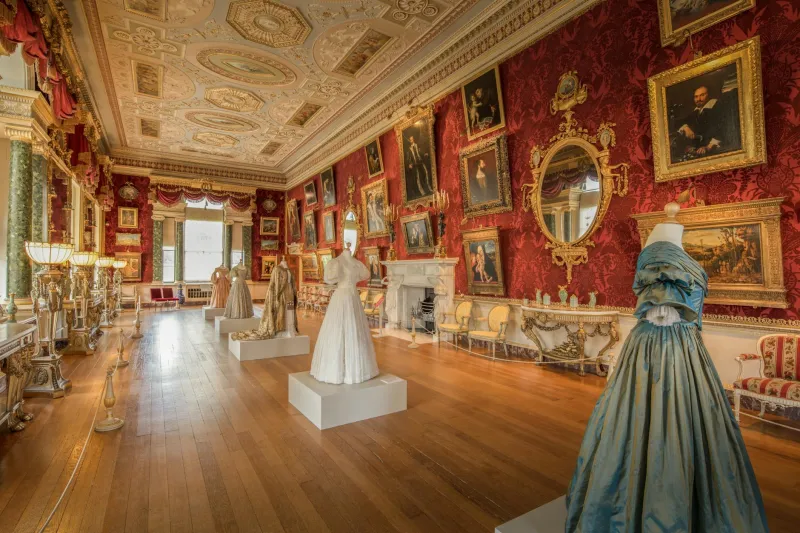
Perhaps more intriguing are the collections housed in smaller estates, where family circumstances have preserved extraordinary works in near-original settings. At Penrhyn Castle in North Wales, the Pennant family's collection includes medieval manuscripts and Renaissance bronzes displayed exactly as Victorian sensibilities dictated. The morning light still illuminates these treasures precisely as it did when they were first arranged, creating an authenticity that no modern museum can replicate.
Similarly, Kedleston Hall in Derbyshire contains one of Britain's finest collections of classical sculpture, assembled by the first Lord Scarsdale during his Italian sojourns. The Marble Hall, designed specifically to house these ancient treasures, creates a dialogue between architecture and art that remains undisturbed by the passage of time.
The Custodians' Challenge
Yet these magnificent collections face unprecedented challenges. Death duties, maintenance costs, and the complexities of modern inheritance have placed enormous pressure upon families who have served as custodians for centuries. Many have been forced to sell individual pieces to maintain the whole, whilst others have transferred ownership to the National Trust or English Heritage to ensure survival.
The Marquess of Cholmondeley at Houghton Hall in Norfolk faced such pressures in the 1990s, ultimately choosing to display his collection publicly whilst maintaining family residence. This model has proved successful, allowing visitors unprecedented access to one of Britain's most important private collections whilst preserving its domestic context.
Hidden Gems Across the Counties
Beyond the famous names lie dozens of smaller collections, each with its own character and specialisation. Upton House in Warwickshire contains one of the finest collections of English porcelain and Continental Old Masters, assembled by the oil magnate Walter Samuel in the early 20th century. The intimacy of these smaller galleries often provides a more personal encounter with great art than is possible in major museums.
In Scotland, Pollok House in Glasgow houses the Stirling Maxwell Collection, featuring works by El Greco, Murillo, and Goya displayed in rooms that retain their Edwardian character. The collection's strength in Spanish art reflects the collector's scholarly interests and provides insights into artistic taste that shaped British collecting practices.
The Digital Renaissance
Modern technology is beginning to unlock these hidden treasures for wider audiences. Digital cataloguing projects are revealing the true scope and quality of private collections, whilst virtual tours allow armchair explorers to discover masterpieces previously seen only by invited guests. The Treasure Houses of England group has pioneered online access to their collections, creating virtual galleries that complement physical visits.
Yet nothing can replace the experience of encountering these works in their intended settings. The play of natural light across a Gainsborough portrait, the way a Canaletto complements the proportions of an 18th-century drawing room, or the surprise of discovering a medieval triptych in a country house chapel – these moments of discovery remain the privilege of the intrepid cultural explorer.
Preserving Britain's Artistic Legacy
As we move deeper into the 21st century, the challenge of preserving these collections becomes ever more pressing. Rising costs, changing social attitudes, and the practical difficulties of maintaining historic houses threaten the survival of this uniquely British phenomenon. Yet there are encouraging signs that new models of stewardship are emerging, combining private ownership with public access in ways that benefit both collectors and the wider cultural community.
The country house collection represents more than mere accumulation of beautiful objects; it embodies centuries of cultural dialogue between Britain and the wider world, reflecting changing tastes, social attitudes, and artistic movements. These hidden galleries remain vital repositories of our artistic heritage, deserving of both protection and celebration as living monuments to the enduring power of great art.