The Theatre of the Pause
In the gaslit splendour of Victorian Britain's concert halls, the interval was never merely an intermission. It was a carefully orchestrated act of cultural theatre, where audiences moved through richly appointed foyers, engaged in spirited musical discourse, and often enjoyed performances that rivalled the evening's main attraction. The entr'acte—those brief musical interludes performed between movements or during natural breaks—served as both palate cleanser and social lubricant, transforming what might otherwise be a passive listening experience into an active cultural event.
Today's concert-goers, shuffling through utilitarian corridors to queue for overpriced wine in plastic cups, can hardly imagine the elaborate ritual that once defined the classical music experience. The modern interval has been reduced to commercial necessity—a brief pause for revenue generation rather than artistic enhancement. Yet Britain's musical heritage suggests we have abandoned something far more valuable than mere tradition.
The Golden Age of Interval Entertainment
The Wigmore Hall's archives reveal programmes from the 1890s where interval entertainment was listed with the same prominence as headline performers. At the Crystal Palace concerts, August Manns would programme short orchestral pieces specifically for the twenty-minute break, often featuring works by emerging British composers who might never otherwise reach such audiences. These miniature concerts within concerts served multiple purposes: they showcased new talent, provided gentle musical education, and maintained the evening's artistic momentum.
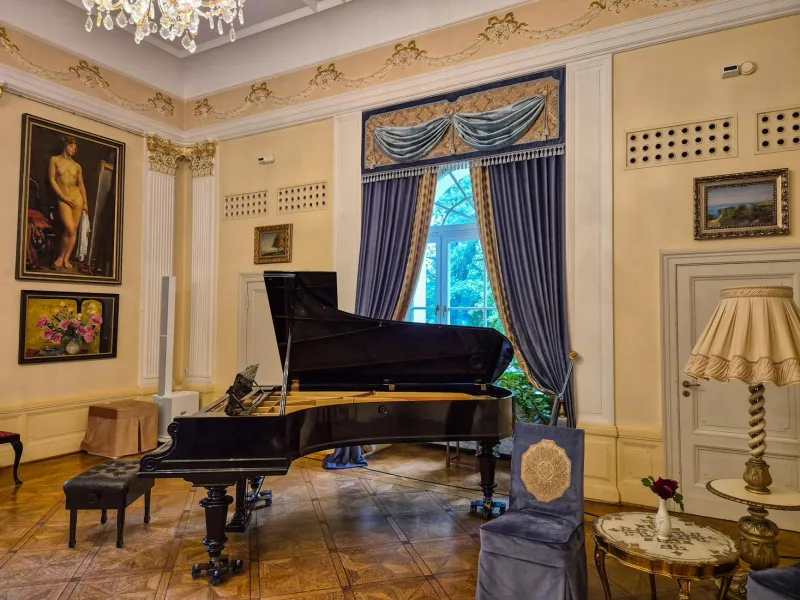
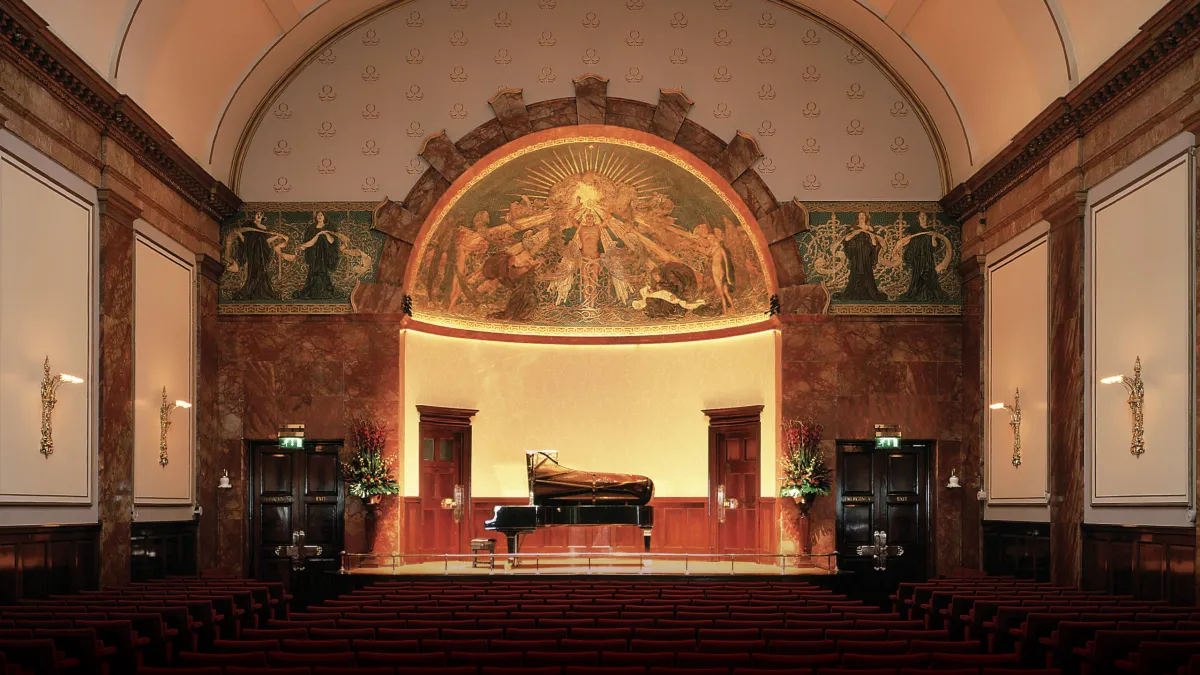 Photo: Wigmore Hall, via medicitv.imgix.net
The Theatre Royal Drury Lane pioneered the concept of themed intervals, where the entr'acte music would complement or contrast with the main programme. A Beethoven symphony might be preceded by an interval featuring chamber works by his contemporaries, creating what modern curators would recognise as a sophisticated contextual framework. Audiences came to expect this intellectual coherence, and programmes that failed to deliver were noted unfavourably in the musical press.
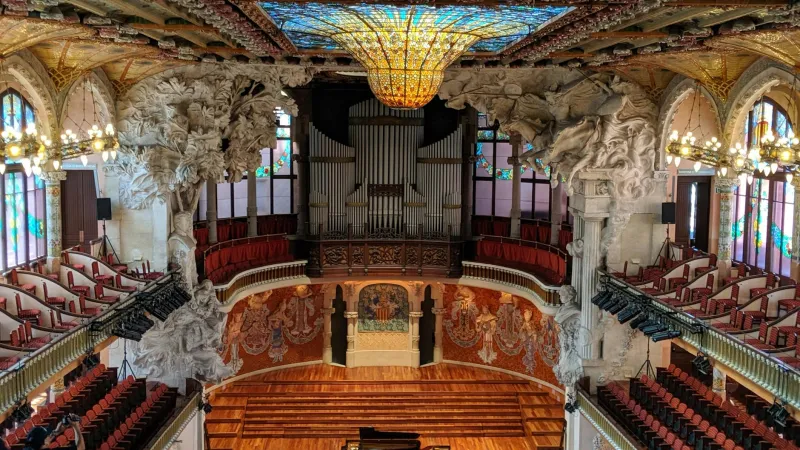
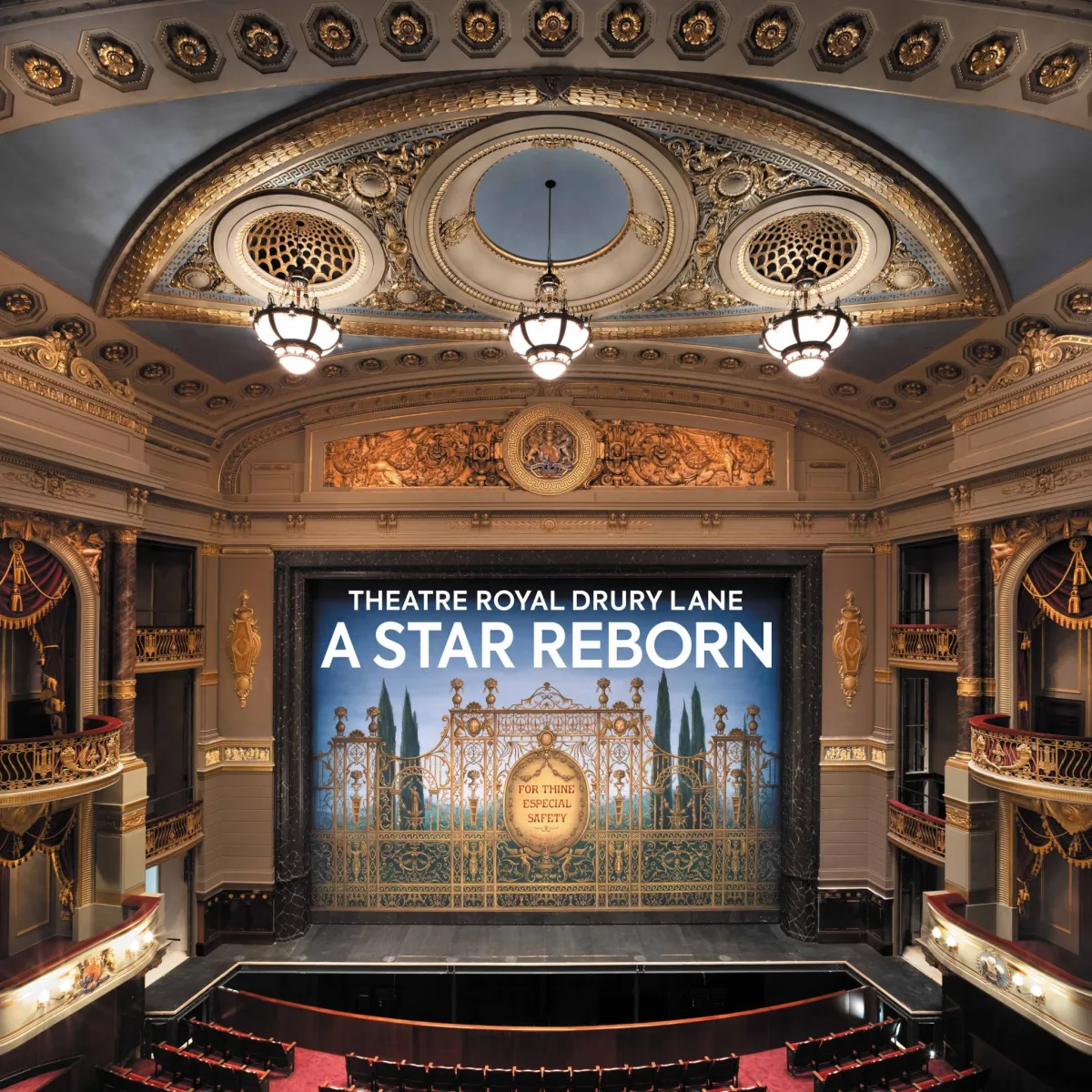 Photo: Theatre Royal Drury Lane, via scalapublishers.com
Social historians have documented how these extended intervals functioned as crucial networking spaces for Britain's musical community. Publishers, composers, and patrons would use the formal interval structure to conduct business, arrange future collaborations, and debate the evening's artistic merits. The interval was where reputations were made and musical careers launched.
The Architecture of Anticipation
Britain's Victorian concert halls were designed with interval entertainment in mind. The Royal Albert Hall's grand tier and the Usher Hall's sweeping staircases created natural promenades where audiences could move, see, and be seen. These spaces were conceived as integral to the musical experience, not merely functional necessities. The acoustics of these foyers were carefully considered—conversation should flow easily, but without overwhelming background chatter.
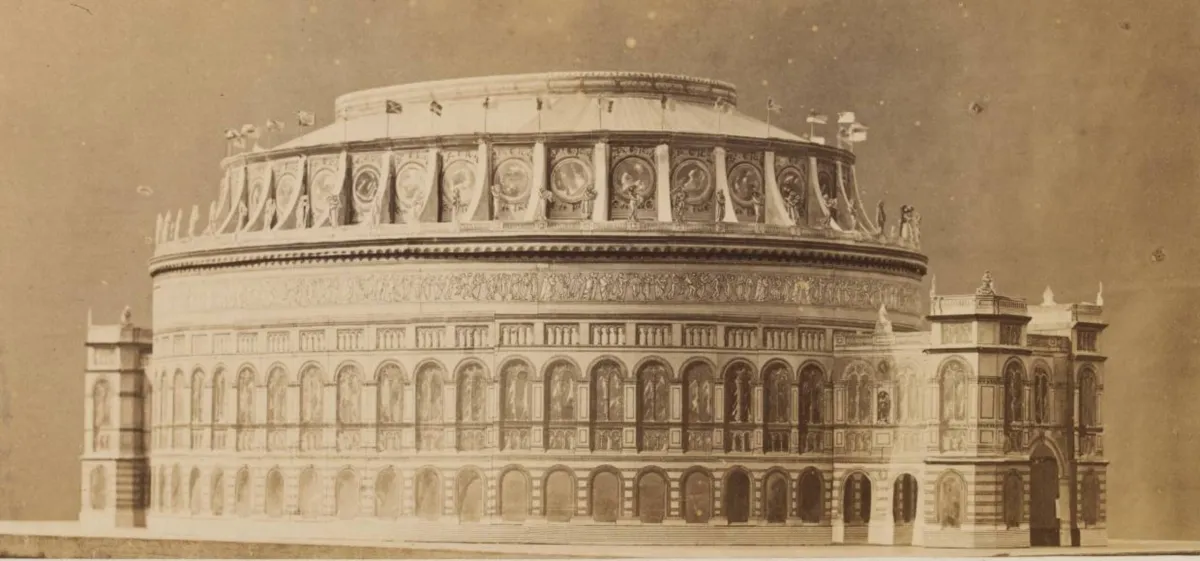 Photo: Royal Albert Hall, via assets-cdn.vam.ac.uk
The Queen's Hall, destroyed during the Blitz, featured an innovative interval system where smaller ensembles would perform in the foyer while the main orchestra prepared for the second half. This created a sense of continuous musical experience, where the evening's artistic journey never truly paused. Contemporary accounts describe audiences reluctant to return to their seats, so engaging were these impromptu performances.
Why Modern Venues Abandoned the Tradition
The decline of interval entertainment reflects broader changes in how we consume culture. Post-war austerity made elaborate interval programming seem frivolous, whilst the rise of recorded music meant audiences had access to a vastly expanded repertoire without needing live performance. Concert halls began viewing intervals purely as commercial opportunities, installing bars and merchandise stalls where once there might have been a string quartet.
The professionalisation of orchestral music also played a role. Union regulations made it increasingly expensive to hire additional musicians for interval entertainment, whilst the standardisation of concert programmes around established repertoire left little room for experimental or educational content. The interval became a necessary evil rather than an artistic opportunity.
Modern programming pressures compound the problem. With concerts increasingly marketed to casual audiences, organisers fear that elaborate intervals might confuse or intimidate newcomers. Yet this approach may achieve precisely the opposite effect—by stripping classical music of its ceremonial aspects, we risk making it feel clinical rather than celebratory.
The Case for Revival
Contemporary research suggests that younger audiences crave exactly the kind of immersive cultural experience that elaborate intervals provide. The success of festivals like Latitude and Glastonbury demonstrates appetite for events where music is embedded within a broader cultural context. Classical music's challenge is to recapture this sense of occasion without abandoning its artistic integrity.
Several British venues are quietly experimenting with enhanced interval programming. The Barbican's recent "Immersive Evenings" feature curator-led discussions and related performances during extended intervals. Early feedback suggests audiences appreciate the additional context and social interaction these provide.
The Wigmore Hall has begun programming themed intervals that complement their main concerts, often featuring young artists performing works by the same composers or from the same period. These brief performances serve as both education and entertainment, whilst providing valuable performance opportunities for emerging musicians.
Lessons from Our Musical Past
Britain's concert interval tradition offers valuable lessons for contemporary programming. The Victorian approach recognised that audiences attend concerts for social and cultural reasons as much as purely musical ones. By creating structured opportunities for interaction and learning, intervals can transform passive consumption into active engagement.
The key lies in understanding that intervals need not be elaborate to be effective. Even simple additions—programme notes read aloud, brief musical demonstrations, or informal discussions with performers—can enhance the evening's impact. The goal is not to recreate Victorian excess, but to restore the sense that attending a concert is a special occasion worthy of ceremony and care.
As British classical music institutions grapple with declining audiences and increasing competition from digital entertainment, the humble interval represents an untapped opportunity. By reimagining these pauses as integral parts of the artistic experience, we might rediscover what our musical ancestors understood instinctively: that great art deserves great presentation, and that the spaces between the notes can be as meaningful as the music itself.