When Music Embraced the Night
Long before the electric age transformed Britain's relationship with darkness, the hours between sunset and dawn harboured a distinctive musical culture that flourished in drawing rooms, private clubs, and unconventional venues across the nation. These nocturnal concerts, ranging from intimate candlelit recitals to the bohemian gatherings of early twentieth-century London, created spaces where musical expression could venture beyond the formal constraints of traditional concert halls.
The phenomenon represented more than mere scheduling convenience. Night-time musical gatherings operated according to different social rules, attracted different audiences, and encouraged artistic experiments that would have seemed inappropriate in the harsh scrutiny of daylight performance. Musicians and listeners alike discovered that music experienced after dark carried an intimacy and emotional intensity that proved impossible to replicate in conventional settings.
The Georgian Pioneers
The tradition emerged during the Georgian era, when London's musical salons began extending their activities well beyond conventional evening hours. Lady Hamilton's legendary gatherings in the 1780s regularly continued until three or four in the morning, with performers like the young John Field presenting impromptu piano recitals by candlelight that explored the instrument's capacity for nocturnal poetry.
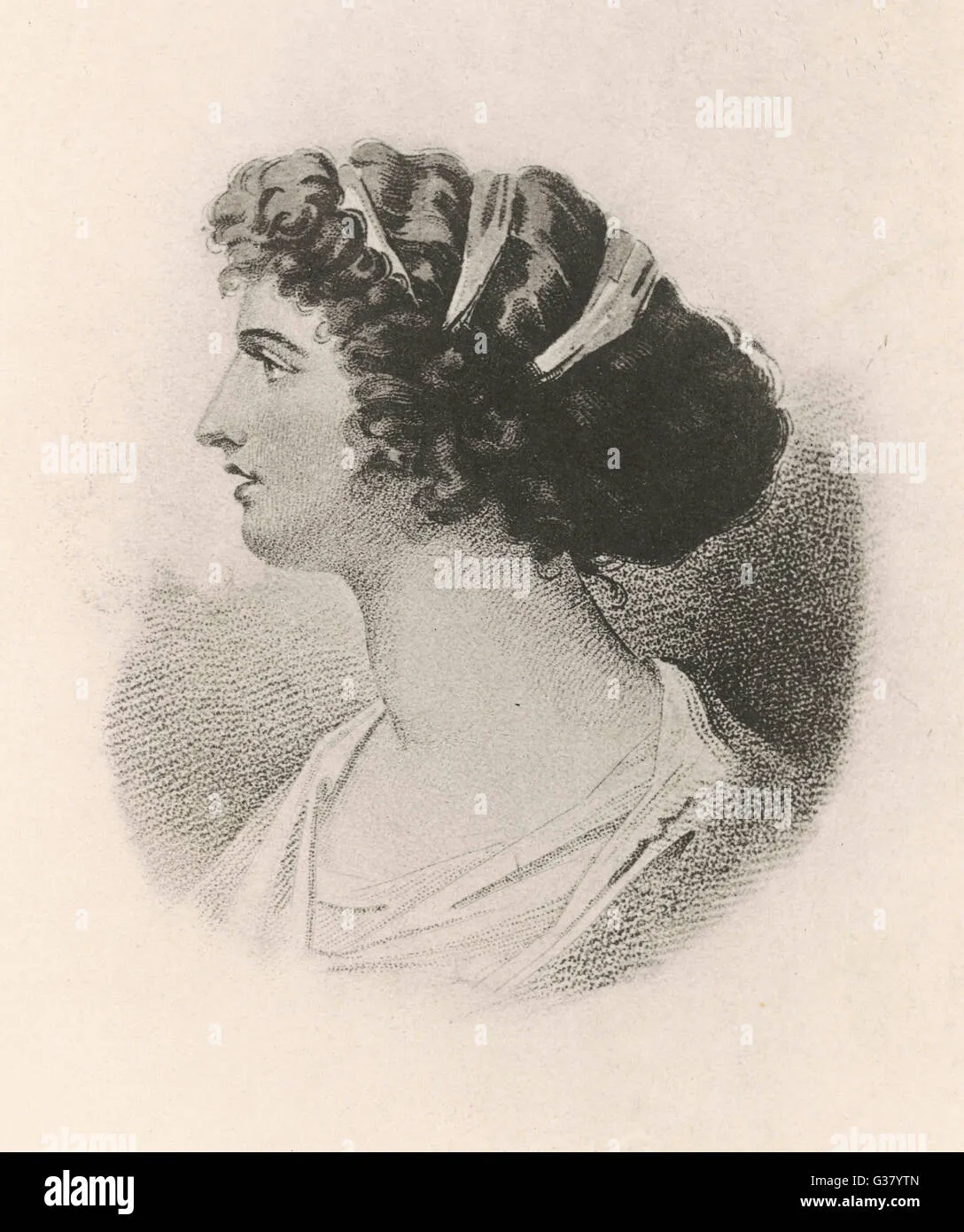 Photo: Lady Hamilton, via c8.alamy.com
These extended musical soirées reflected changing attitudes towards leisure and artistic appreciation among Britain's educated classes. The Romantic movement's emphasis on emotion and individual expression found natural expression in settings where formal protocols could be relaxed and genuine artistic communion might flourish. Musicians reported that their playing acquired different qualities in these intimate, dimly lit environments—more personal, more experimental, more willing to court failure in pursuit of transcendent moments.
The Candlelit Chamber Tradition
By the 1820s, a distinct tradition of midnight chamber music had established itself in Britain's major cities. The Philharmonic Society of London, whilst maintaining its formal concert series, also sponsored late-evening performances in members' homes where string quartets and piano trios could be experienced with unprecedented intimacy.
These gatherings typically began around ten o'clock, allowing participants to attend conventional evening entertainments before settling into serious musical exploration. The reduced lighting—often provided entirely by candles—created acoustic conditions that emphasised subtle instrumental colours and dynamic nuances. Performers adapted their interpretative approaches accordingly, developing a more conversational style that treated listeners as intimate confidants rather than distant audiences.
The repertoire for these nocturnal concerts evolved to embrace works that seemed particularly suited to midnight contemplation. Beethoven's late string quartets found especially receptive audiences in these settings, their philosophical depths and technical innovations receiving the concentrated attention they demanded. Similarly, the emerging Romantic piano literature—Chopin's nocturnes, Schumann's introspective cycles—seemed to achieve their full expressive potential only when performed in the hushed atmosphere of candlelit drawing rooms.
Victorian Innovation and Social Transformation
The Victorian era witnessed both the expansion and democratisation of Britain's nocturnal musical culture. The growth of middle-class prosperity enabled more households to host musical gatherings, whilst improved urban lighting and transportation made late-evening attendance more practical for larger numbers of participants.
Private clubs played an increasingly important role in fostering this culture. The Garrick Club's musical evenings, beginning around 1850, regularly featured performances that continued until the early hours of morning, with distinguished members like Charles Dickens and William Makepeace Thackeray participating alongside professional musicians. These gatherings blended artistic appreciation with intellectual discourse in ways that formal concert halls could never accommodate.
The period also saw the emergence of specifically nocturnal venues. The Cave of Harmony, operating in Covent Garden during the 1860s, offered a bohemian alternative to conventional musical entertainment, with performances beginning at midnight and continuing until dawn. Though its reputation remained somewhat disreputable, the venue attracted serious musicians eager to experiment with unconventional repertoire and performance styles.
The Edwardian Flowering
The early twentieth century marked the golden age of Britain's after-hours musical culture. London's artistic communities embraced nocturnal concerts as expressions of modernist sensibility, with venues like the Café Royal and the Eiffel Tower Restaurant hosting regular late-evening recitals that combined musical performance with literary readings and artistic exhibitions.
 Photo: Café Royal, via images-ap-prod.cms.commerce.dynamics.com
These Edwardian gatherings reflected changing attitudes towards artistic expression and social convention. The influence of Continental café culture, combined with Britain's own traditions of musical domesticity, created hybrid events that challenged traditional boundaries between performance and participation, high art and popular entertainment.
Notable performers of this era, including the pianist Myra Hess and the composer Frederick Delius, regularly participated in midnight concerts that explored repertoire considered too advanced or experimental for conventional audiences. The reduced formality of these settings encouraged artistic risks that would prove influential in shaping Britain's musical modernism.
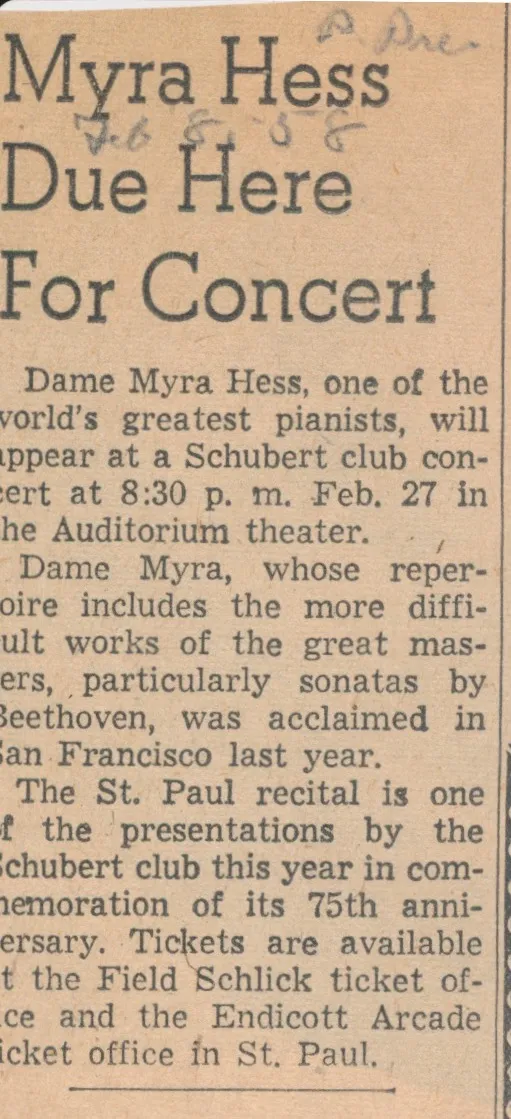 Photo: Myra Hess, via schubert.org
The Social Rituals of Musical Night-time
Britain's nocturnal musical gatherings developed distinctive social protocols that differed markedly from daytime conventions. Applause was often replaced by murmured appreciation or meaningful silence. Conversations between musical selections became integral parts of the artistic experience, with participants discussing interpretative choices and emotional responses in ways that formal concert etiquette prohibited.
The serving of refreshments evolved into elaborate rituals that enhanced rather than interrupted the musical flow. Late suppers, often featuring delicacies chosen to complement particular compositions, created multi-sensory experiences that engaged participants' full attention. Wine and spirits, consumed with careful moderation, were acknowledged to enhance musical sensitivity and emotional responsiveness.
Technical and Artistic Innovations
The acoustic properties of candlelit rooms encouraged musicians to develop performance techniques specifically adapted to intimate settings. String players learned to exploit the resonant qualities of domestic spaces, whilst pianists discovered dynamic subtleties impossible to achieve in large halls. These technical adaptations influenced compositional practices, with several British composers writing works specifically intended for nocturnal performance.
The reduced lighting also encouraged memorisation and improvisation skills that formal concerts rarely demanded. Musicians performing by candlelight necessarily developed stronger musical memories and greater confidence in spontaneous expression. These abilities, cultivated in private gatherings, often enhanced their public performances as well.
Legacy and Modern Resonance
Though Britain's tradition of nocturnal concerts largely disappeared with the social upheavals of the twentieth century, its influence on musical culture proved lasting. The emphasis on intimacy and emotional directness pioneered in these settings contributed to the development of more personal performance styles that continue to characterise British musical interpretation.
Contemporary efforts to revive aspects of this tradition—through house concerts, late-evening recital series, and unconventional venue programming—suggest recognition that something valuable was lost when musical culture became entirely professionalised and institutionalised. The midnight concerts of Georgian and Victorian Britain remind us that music's most profound effects often emerge not from grand public spectacles, but from quiet moments when performers and listeners share the vulnerable intimacy that only darkness can provide.